After Ceuta, Morocco Refuses to Be Europe’s Policeman
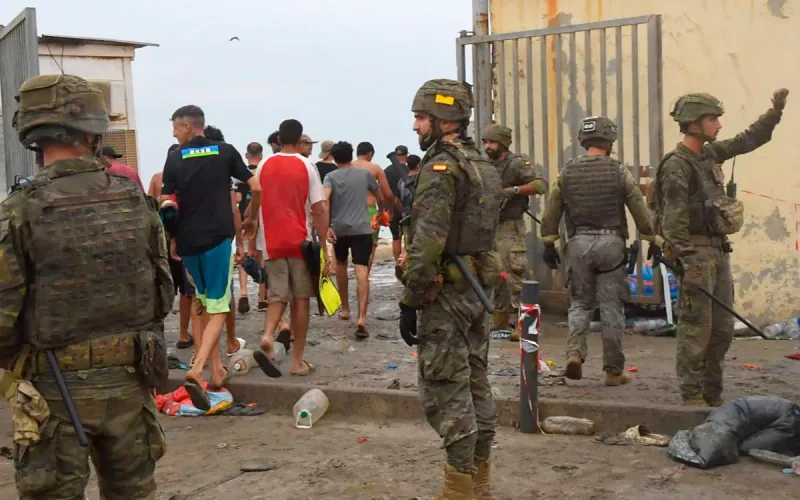
Morocco refuses to be reduced to the role of Europe’s policeman after the Ceuta crisis. A government source says the kingdom is protecting its own territory and cooperating as a sovereign partner, not as a subcontractor tasked with holding back migrants.
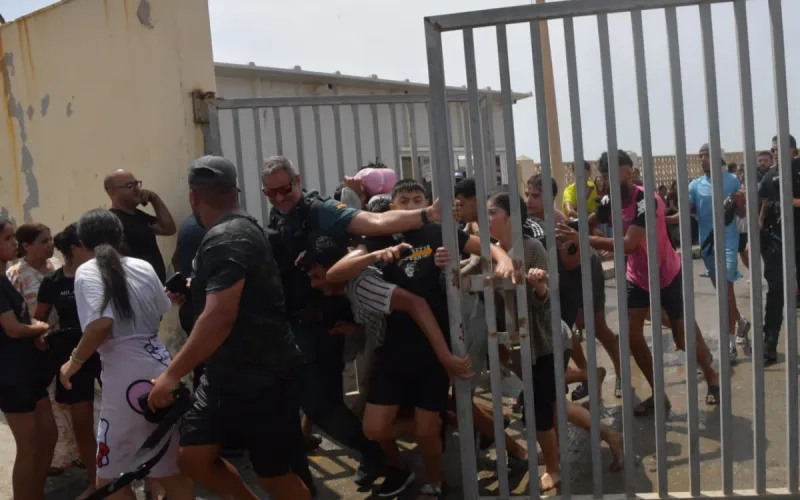
Morocco is taking a tougher stance in the debate over the management of European borders. A senior government official rejected accusations that Rabat had deliberately relaxed its surveillance before the mass arrival of migrants in Ceuta.
On Bladi.net : After Ceuta, Europe Wants to Pay Morocco More to Tighten Border Controls
“We are neither Europe’s policeman nor its guard. We are a sovereign partner, not a subcontractor,” the government source said in Rabat.
The official stated that Morocco is assuming its share in the fight against irregular immigration, but that this management must remain a shared responsibility with Spain and the European Union.
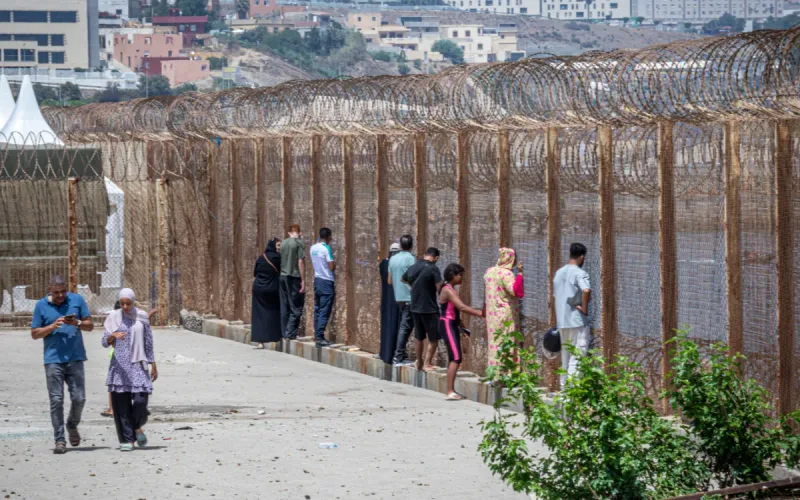
According to Reuters, around 24,000 members of Morocco’s security forces are deployed to monitor the borders and combat smuggling networks.
Rabat also says it has prevented thousands of attempts to leave for Europe every year. The official therefore denies that Morocco’s system deliberately collapsed at the end of July.
Morocco Questions the Current Model
The government source believes that the events in Ceuta were exploited in Spain to secure electoral gains and settle political scores. It also regrets media coverage that was dominated, in its view, by exaggeration and accusations against Morocco.
Rabat attributes part of the responsibility to Spain. A judicial decision issued on 8 July restricted the immediate return of migrants who arrived by sea, unlike those intercepted after crossing the land barriers.
According to the Moroccan official, the Spanish authorities should have anticipated the effects of this decision, which was quickly interpreted by some people seeking to leave and by smuggling networks as an opportunity to avoid automatic return.
Morocco says it did not give in to pressure and does not act under coercion or blackmail. Its cooperation with Europe is based on a voluntary commitment, but also on recognition of its sovereignty and its own interests.
This clarification comes as Brussels wants to strengthen its financial and technical support for Morocco after the Ceuta crisis. The European Union still considers Rabat an essential partner in monitoring its external borders.
The Moroccan official nevertheless questions whether the current model is suited to the new context. The kingdom refuses to have every crisis result in accusations against it, while decisions taken in Europe can also alter migration routes.
On Bladi.net : They Thought They Could No Longer Be Sent Back: Morocco Explains the Rush to Sebta
Rabat is therefore not officially ending its cooperation with Madrid and Brussels. But its message is clear: Morocco will continue to protect its borders without accepting becoming the guard tasked with solving Europe’s migration problems alone.