They Risked Their Lives to Enter Ceuta, Then Did Everything They Could to Return to Morocco
They had swum for hours and risked their lives to reach Ceuta. A few hours later, thousands of young people were nevertheless trying to return to Morocco, after discovering hunger, the streets and the impossibility of reaching mainland Spain.
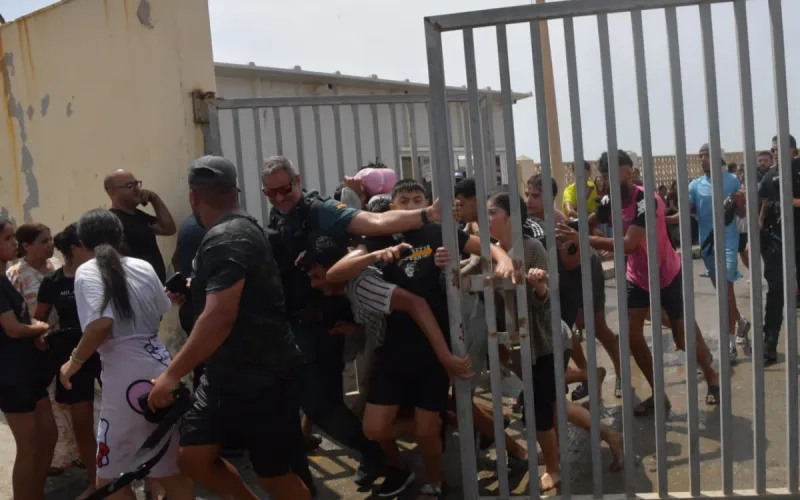
Abdulah Buji climbed onto his motorcycle as soon as he learned that the Ceuta border had been breached. This 21-year-old Moroccan student wanted to take advantage of what he considered the chance of a lifetime: entering Spanish territory and starting a new life in Europe.
On Bladi.net : Ceuta Border: Moroccan Youths Lured by Spain Visa Hopes Face Hunger
After narrowly escaping death during the crossing, he did set foot in Ceuta. His euphoria quickly disappeared. He had lost his belongings and money in the water, while the Spanish mainland remained inaccessible on the other side of the strait.
“I found no possibility here either, so I have to go back,” he eventually told the Associated Press. Like him, tens of thousands of people abandoned their plans just a few hours after successfully making the crossing.
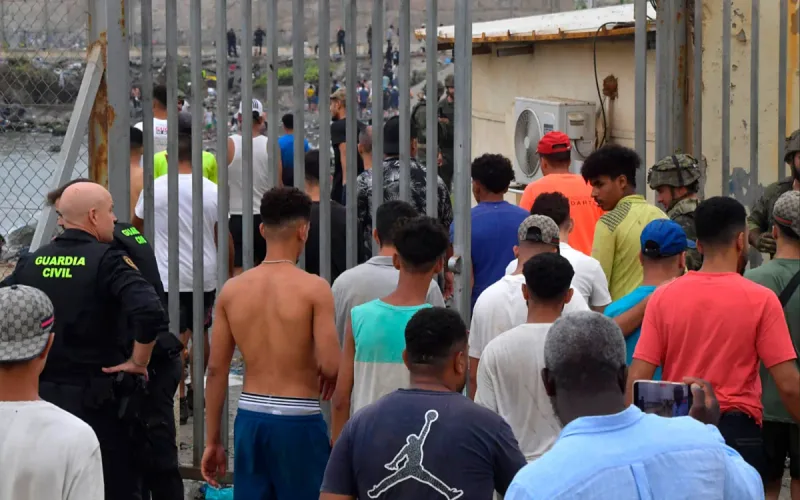
According to the Spanish Interior Ministry, around 50 000 people had entered Ceuta since Thursday, July 30. By Friday evening, 48 300 had already voluntarily returned to Morocco.
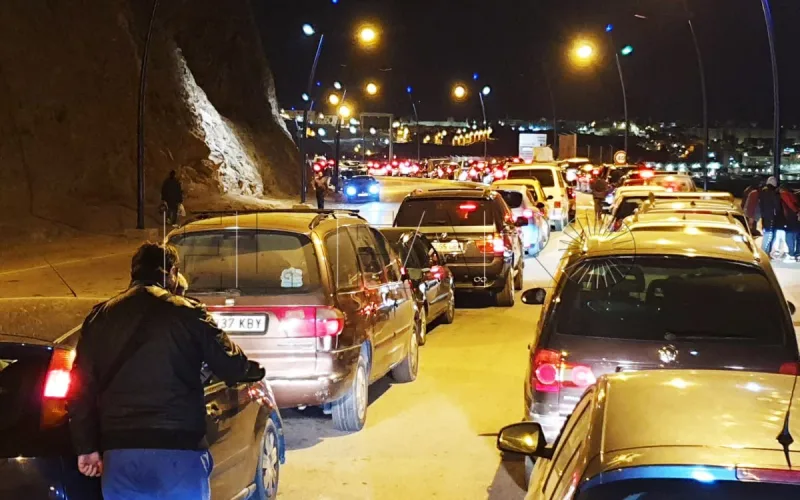
Some came back through the border crossing. Others used openings in the fence or swam back around the breakwater they had crossed in the opposite direction just a few hours earlier.
When they arrived, images showed young people running through the streets and celebrating their entry into Spain. On the way back, the scene was completely different: clothes still wet, long walks along the road to Fnideq, and waiting for a taxi or a few dirhams to get home.
“Ceuta was like a prison”
Brahim had left his job at a bakery in Fès after seeing videos of thousands of people crossing the border. He thought he could build a better future in Spain.
He told Reuters that he survived for three days by drinking only water. The shops were closed, and the few products available seemed unaffordable to him. A tuna sandwich was reportedly being offered for 100 dirhams.
A Moroccan employee at the Tanger Med port, who had also tried his luck, summed up his disillusionment in a few words: “Ceuta was like a prison. There was nothing to do and everything was closed.”
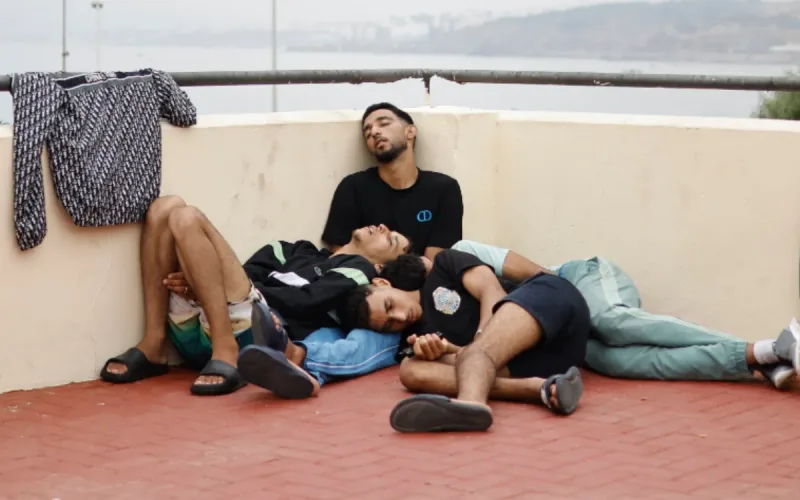
The new arrivals mostly discovered that they could not freely continue on to Algésiras, Madrid or Barcelona. No automatic passage to the mainland was granted to them. Many found themselves wandering around a city separated from the rest of Spain by the sea, with no accommodation or solution for continuing their journey.
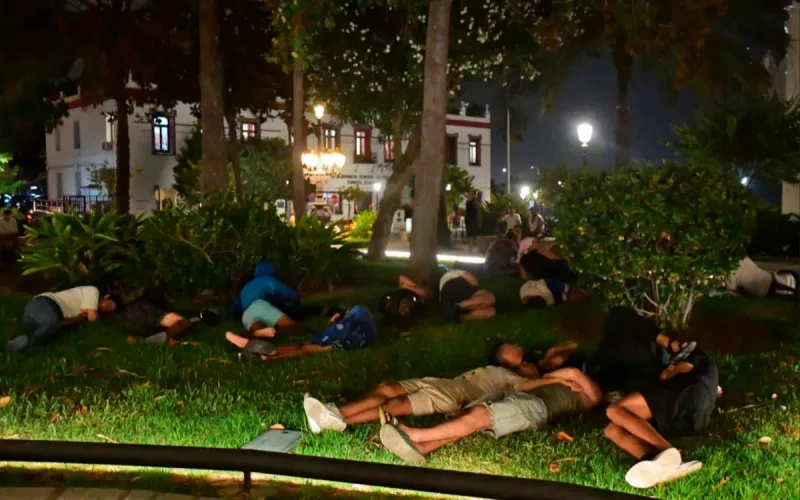
Ceuta’s parks were transformed into dormitories. El País described young people sleeping on damp grass with very few clothes, children settled at the entrances to car parks and teenagers shivering at the foot of statues.
Some claimed that shops and cafés refused to serve them. Others reported being threatened or driven away in certain neighborhoods. Reuters was unable to verify all these accusations, but gathered the testimony of Yassine Ichou, a Moroccan waiter who said he had been beaten and then chased in the Príncipe neighborhood.
A young man from Tangier admitted that he no longer even knew why he had attempted the crossing. “I haven’t eaten anything since yesterday, even though I had brought money,” he explained before heading back toward Morocco.
Ayman, a 20-year-old hairdresser from Larache, had swum for five hours to enter Ceuta. As soon as he arrived, he found neither food nor any possibility of continuing his journey. He too turned back.
The contrast is brutal. These young people risked drowning to leave Morocco, then had to look for a way to return. They did not give up because their situation back home had improved, but because the reality they discovered in Ceuta was far removed from the one promised by videos circulating on social media.
On Bladi.net : 8,000 Dirhams in Morocco to Sleeping in a Sebta Alley: Hamza’s Harsh Reality
For Abdulah Buji, the European dream lasted a few hours. He had managed to enter Spain. He had simply found neither the Europe he had imagined nor a way to go any farther.