Ceuta Border Crossing: Dreams vs Reality for Young Migrants
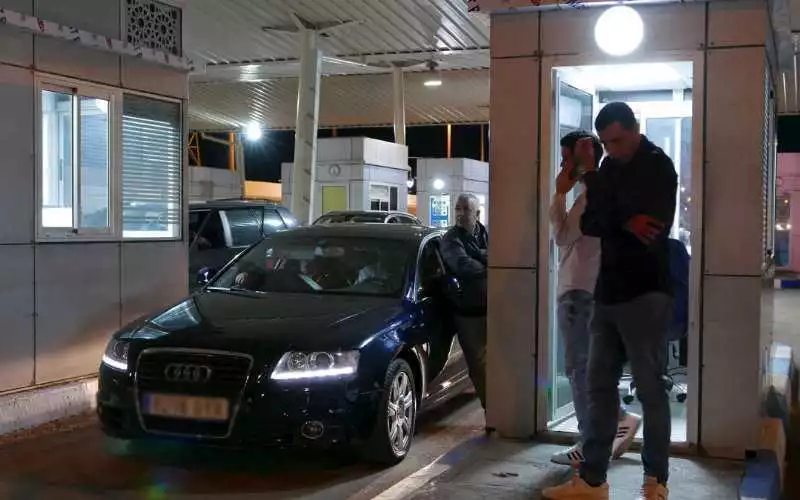
Thousands of young people crossed or attempted to cross the Ceuta border. Those who succeeded did not discover the Spain of the videos: many slept outside, searched for food or returned to sea towards Morocco. Papers do not come with crossing.
For some young Moroccans, arrival in Ceuta felt like a victory for a few minutes. They had skirted the border by swimming, walked for hours or taken advantage of the crowd movement to reach Spanish territory.
On Bladi.net : Spain World Cup Victory Sparks Ceuta Migration Surge
But once inside, many had no money, no dry clothes, nowhere to sleep. Reuters reports that thousands of people had converged on Fnideq during the night and that, according to Spanish public television TVE, between 2,000 and 3,000 managed to enter Ceuta during Thursday alone.
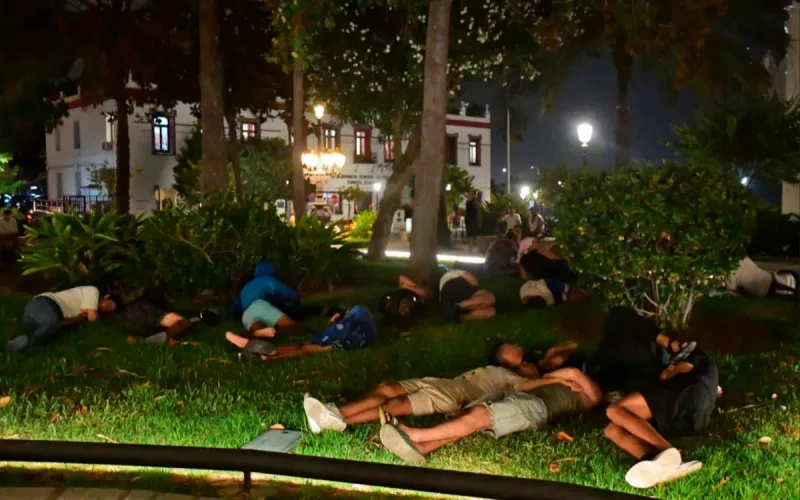
Arrival gave them neither a room, nor a job, nor a ticket to reach Madrid or Barcelona. By Friday morning, lawns, parking lots and the surroundings of public buildings were occupied by exhausted young people.
A journalist from El País present in Ceuta describes hundreds of young people sleeping on damp grass, sometimes with very few clothes. Some were shivering from cold in front of parking lots or at the foot of the city’s statues.
The Spanish newspaper also reports that many newcomers found neither food nor anywhere to spend the night. Several claimed that shops refused to serve them and said they had been threatened or targeted by stone throws in certain neighborhoods.
Disappointment came so quickly that thousands of people returned to Morocco by the same place they had just crossed.
Among them was Salma Zoubiri, a 21-year-old Moroccan nurse who said she had family in Ceuta. After crossing with a float, she finally decided to leave. "Everything is going wrong with the police," she explained to El País before returning to the border.
Crossing the border gives no papers
Entering Ceuta means being physically on a territory administered by Spain. However, this gives no automatic right to live in the country, work legally or receive social benefits.
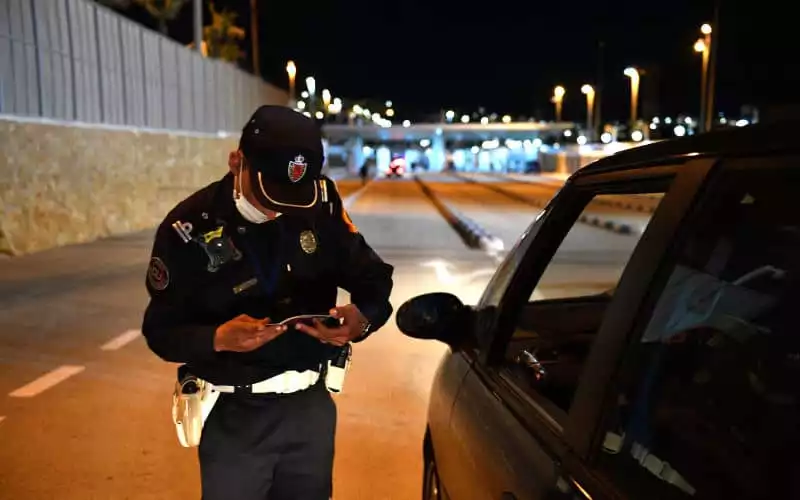
For adults who do not apply for asylum and have no other right to stay, arrival can lead to identification by police, an administrative procedure and, depending on their situation, a return to Morocco.
The widespread idea that it would be enough to stay hidden for a while before receiving papers is also misleading. Regularization by "arraigo" is neither immediate nor automatic.
The Spanish Ministry of Inclusion thus specifies that "arraigo sociolaboral" requires at least two years of continuous presence in Spain as well as one or more employment contracts. You must also provide documents proving this presence and meet the other conditions provided by the regulations.
These two years are therefore not simply a deadline after which papers would be distributed. During this period, the young person who arrived clandestinely may not have the right to work legally, encounter great difficulties in renting housing and depend on undeclared jobs where they will be particularly exposed to abuse.
The extraordinary regularization adopted in Spain in 2026 will not save newcomers either. The official conditions published by the Spanish government reserve this scheme for foreigners who were already in Spain before January 1, 2026. Young people who entered Ceuta in late July are therefore excluded.
Unaccompanied minors must be taken care of by Spanish child protection services. But being placed in a center does not mean immediately receiving an independent life, a job or the ability to choose your destination.
The official Spanish procedure provides for care by the competent services and a specific residence authorization. It involves administrative checks, particularly on the identity, age and situation of the minor.
For many, the dream summed up by a video of a few seconds thus transforms into a much longer wait: sleeping in a center or on the street, living without stable income, avoiding checks and searching for months or years for a possibility of regularization that is never guaranteed.
On Bladi.net : French man arrested Ceuta assault Morocco border crossing
Ceuta is indeed under Spanish administration. But crossing its border is neither obtaining papers, nor finding a job, nor automatically starting a new life in Europe.