Tomatoes: why Morocco is winning the price war against Spain
The announcement of the spectacular increase in imports of Moroccan tomatoes in Spain coincides with a pivotal period for the trade agreements linking the European Union to the Kingdom. This jump of nearly 70% recorded at the beginning of 2025 does not leave anyone indifferent, especially not the Spanish farmers who see the competition from the southern neighbor radically transforming the European market.
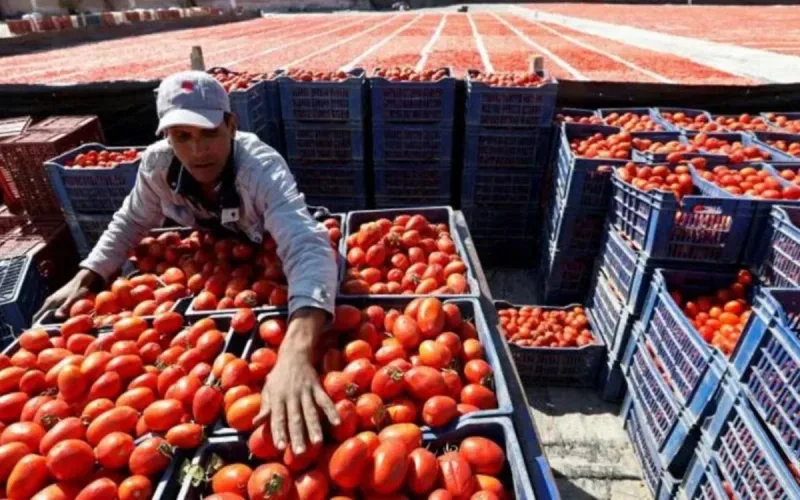
This resurgence of trade activity has intensified in the midst of negotiations aimed at including Saharan products in preferential agreements with the EU, notes El Debate. Despite recent legal debates, Europe has chosen to facilitate the entry of tomatoes and melons from this region, a decision that worries Spanish producers. The latter do not oppose free trade, but denounce uneven playing field: Moroccan labor costs are much lower and phytosanitary product standards are less stringent than in Europe.
The figures speak for themselves. Between January and October 2025, Spain imported more than 65,000 tons of tomatoes from Morocco, an increase of more than 54% compared to the previous year. This shift has allowed Morocco to overtake Spain as the second largest supplier of tomatoes for the entire European Union. The cherry tomato is the most striking example of this dominance: as it requires meticulous manual harvesting, Morocco’s economic advantage is massive compared to an increasingly costly European production to maintain.
While Spanish sales are declining by more than 35% compared to their historical records, Morocco continues to gain ground. The European Union is also supporting this development by financing strategic infrastructure in the south of the Kingdom. These investments aim to support the creation of 5,000 hectares of greenhouses, as well as desalination plants and wind farms around Dakhla. This European support for the modernization of Moroccan agriculture confirms that the tomato has become a major diplomatic and economic issue in the relations between the two shores of the Mediterranean.