In Brussels, the Morocco agricultural agreement trembled... by one vote
The new agricultural agreement between Morocco and the European Union, which came into force in early October 2025, almost failed to be blocked in the European Parliament. A motion of objection, submitted to the vote on November 26, was rejected by a single vote (359 votes in favor), validating the text at the last minute, which in particular frames the labeling of products from the Sahara.
At the heart of the controversy is the question of geographical origin. The agreement now provides that fruits and vegetables from the southern provinces be labeled as originating from the regions of "Laâyoune-Sakia El Hamra" or "Dakhla-Oued Ed-Dahab", while benefiting from the same preferential access conditions as the rest of Moroccan production, recalls Challenge. This provision has crystallized tensions, fueled by recent actions such as that of the Confédération paysanne in Perpignan against the Azura group.
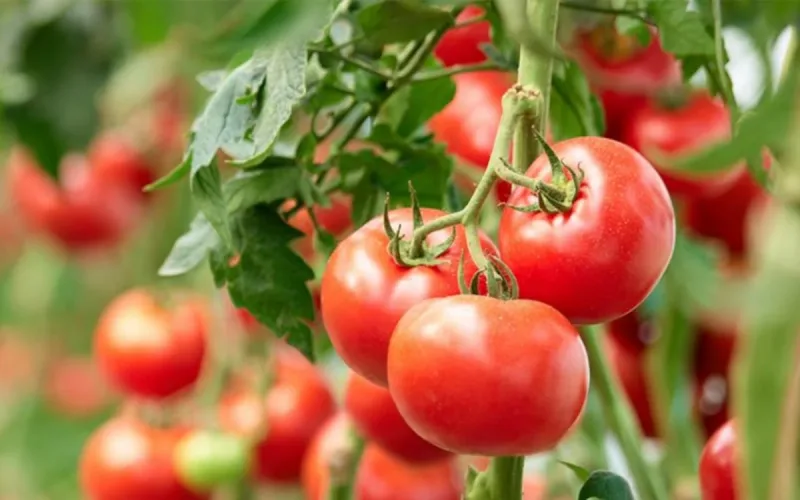
Faced with these attacks, the Moroccan Association of Fruit and Vegetable Producers and Exporters (APEFEL) reacted firmly. In a press release, it denounced a "disinformation campaign" aimed at questioning the health compliance of Moroccan tomatoes without scientific basis, calling for a debate based on transparency.
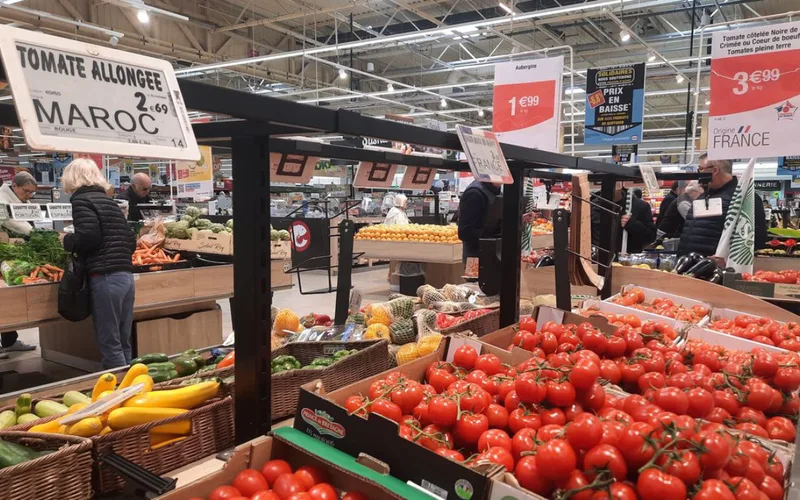
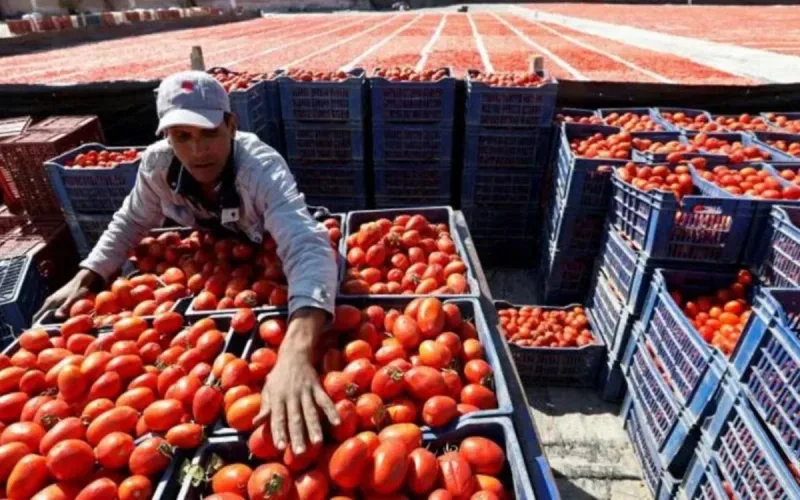
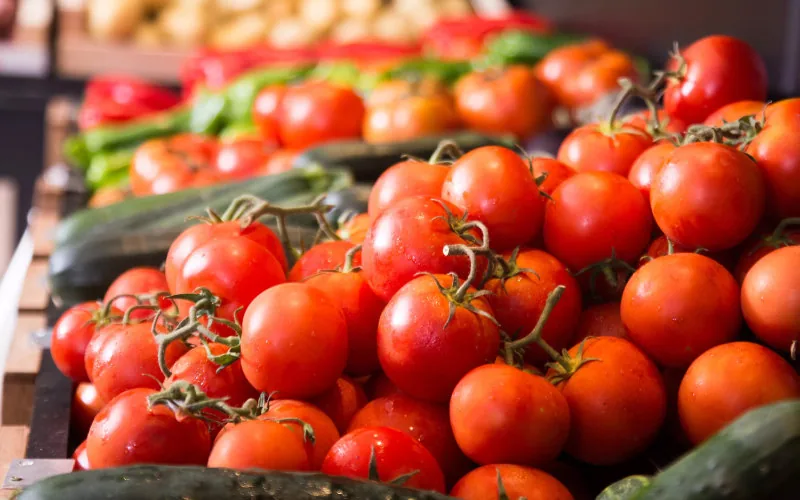
Behind the controversy, the figures reveal a well-established economic reality. France, although the third largest importer in the world, plays a major logistical hub role. According to an official report, a large part of the tomatoes imported from Morocco (of which France is the first customer with 530,000 tons in 2023) do not end up on French plates but transit through the Perpignan-Saint Charles platform to be reshipped to Germany or the Netherlands.
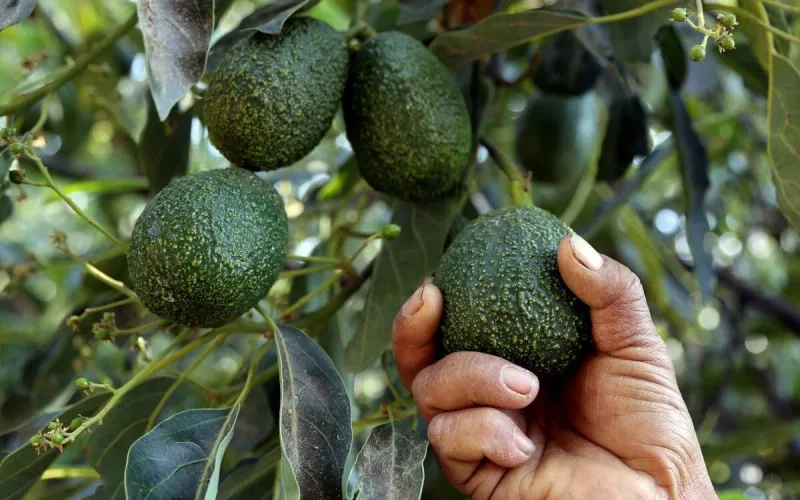
To diversify its outlets and reduce its dependence on the European market, experts like Mostafa Chehhar of the Crédit Agricole Group recommend turning to the African continent via the AfCFTA. They defend the maintenance of export crops, like avocado whose volumes have doubled in five years, recalling that these sectors bring in essential foreign exchange for the competitiveness of national agriculture.