Moroccan tomatoes: France admits its dependence
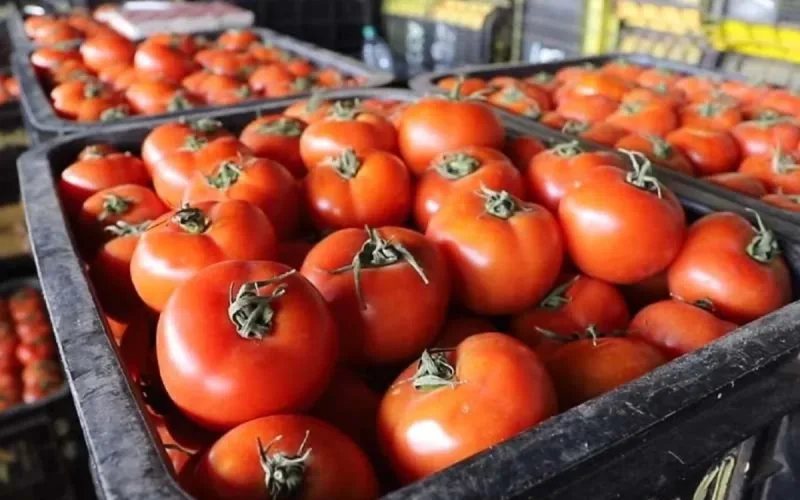
The French Ministry of Agriculture confirms that local tomato production no longer covers demand, validating the dependence on Moroccan imports and the central role of Perpignan in redistributing these flows throughout Europe.
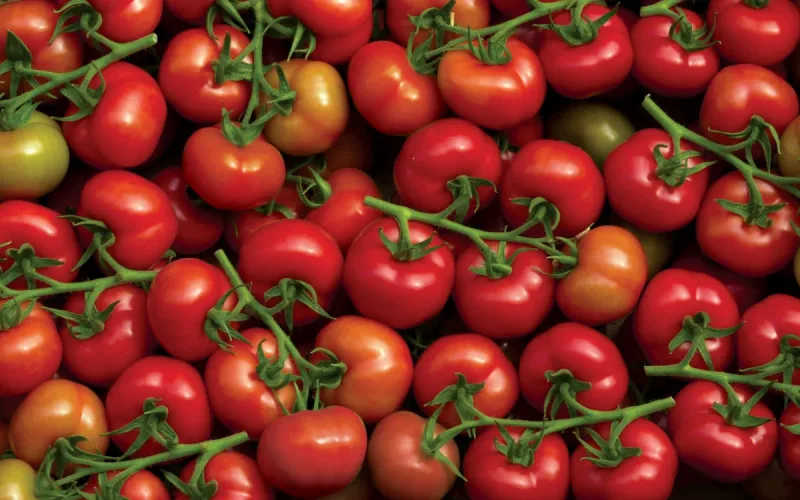
The deficit is structural. The French consume around 700,000 tons of tomatoes per year, while the national harvest barely reaches 480,000 tons in 2024. This gap forces the market to source massively from abroad, mainly from Morocco and Spain, during the critical window from November to April.
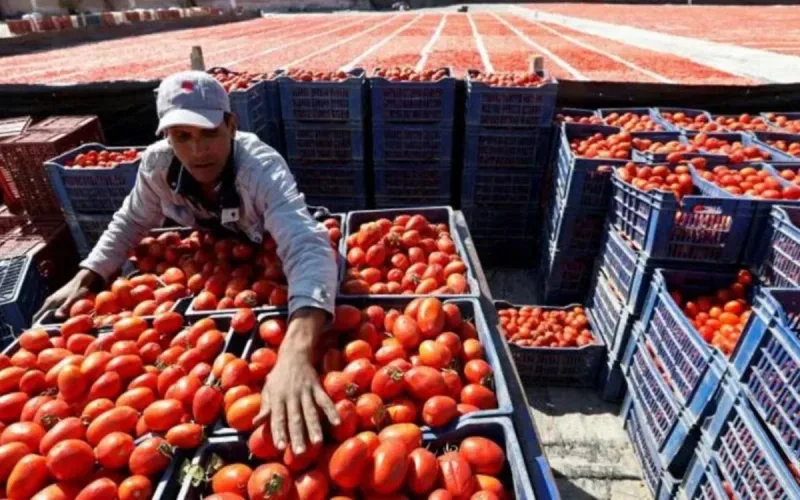
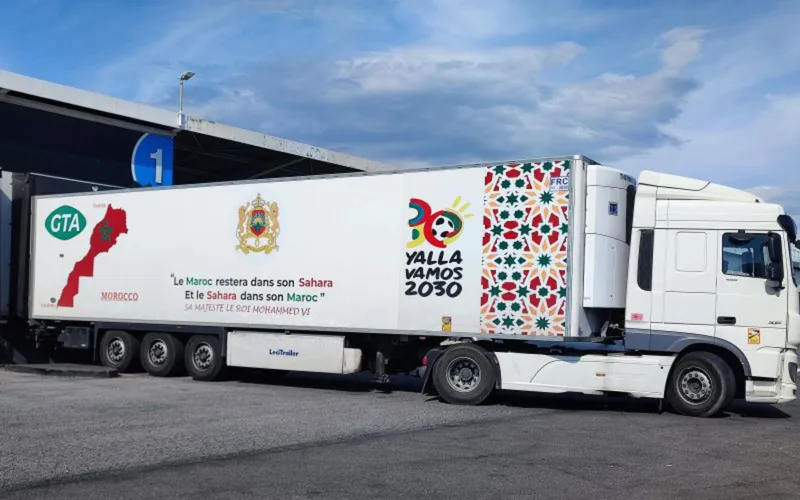
The ministerial analysis reveals the extent of the logistical transit through the Saint-Charles platform. France exported nearly 300,000 tons of tomatoes to the European Union in 2023, but this volume does not come from local greenhouses. The authorities admit that it is mostly Moroccan products being re-exported. This "Perpignan effect" makes southern France the indispensable point of customs clearance and redistribution for fruits and vegetables destined for the EU market.
Brussels rejects any renegotiation of the agricultural agreement with Rabat. The ministry specifies that the European Union derives many benefits from this treaty and refuses to jeopardize these achievements. Faced with the tariff competitiveness of Moroccan producers, professionals from both countries have chosen the path of pragmatism. An agreement signed during the International Agricultural Fair in Meknes in April 2025 has established a framework for consultation to regulate trade and prevent disruptions, an approach endorsed by the French and Moroccan governments.
Monitoring of flows remains active. The General Council for Food is scrutinizing imports to protect the French sector, while Paris is trying to restore its competitiveness through tax levers. A scheme for seasonal workers has been made permanent in the 2025 budget to reduce the cost of labor in the face of pressure from neighboring countries.