Ukraine Seeks to Boost Grain Exports to Morocco Amid Supply Concerns
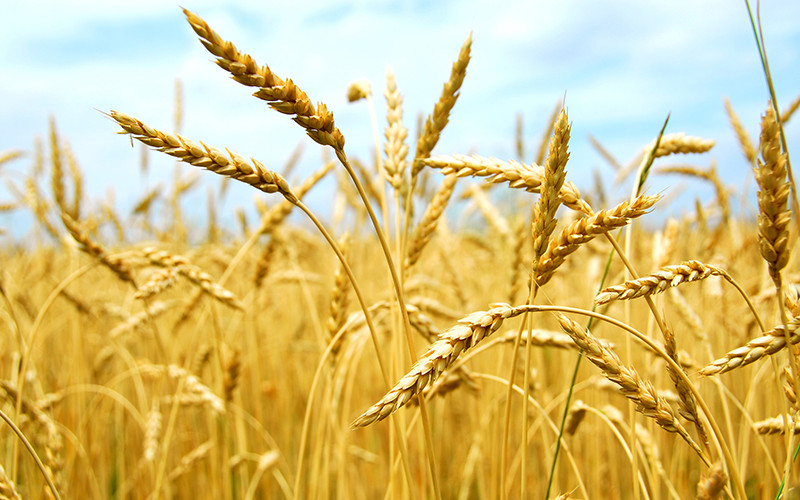
Improving the Kingdom’s supply of cereals is a major concern for Moroccan importers and Ukrainian exporters. In this sense, they have conducted in-depth reflections on the subject.

Improving the Kingdom’s supply of cereals is a major concern for Moroccan importers and Ukrainian exporters. In this sense, they have conducted in-depth reflections on the subject.
While many Turkish companies have been able to establish their hegemony in Casablanca, Rabat, Tangier and Marrakech, some Moroccan brands are betting on exports to cope with local competition. A choice that is not visibly easy.

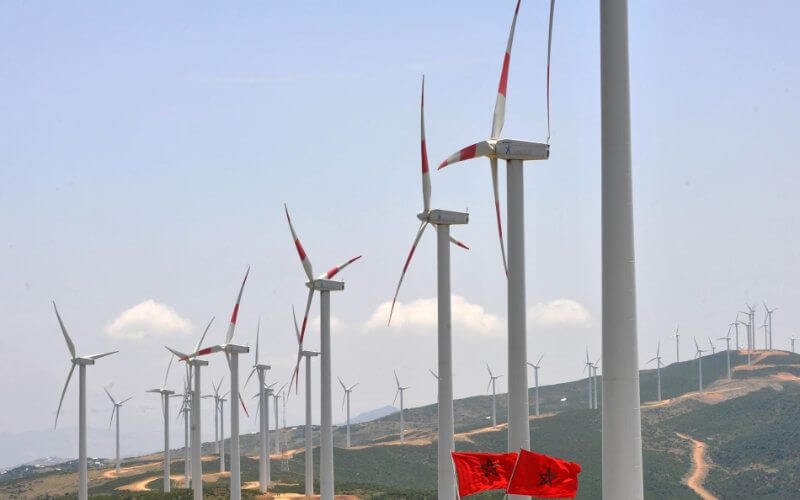
Moroccan energy production has seen a 22.3% increase this year, after a 5.9% increase the previous year.

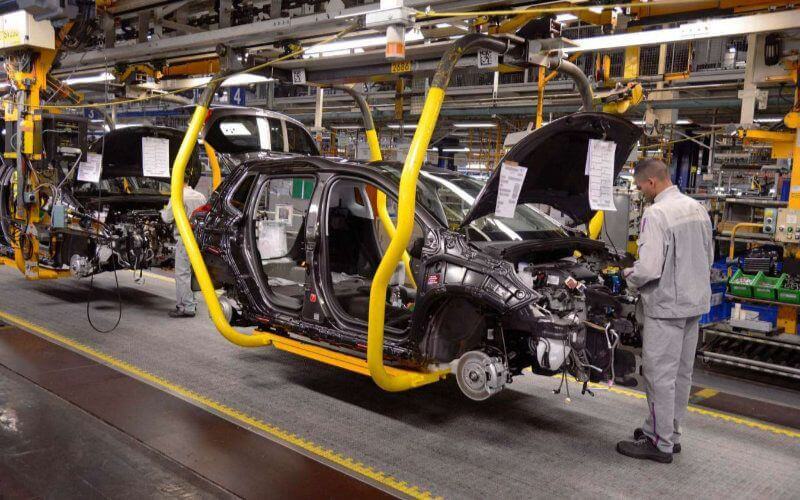
The automotive industry has become Morocco’s leading export sector. This is how Moulay Hafid Elalamy expressed himself on Thursday, November 21 in Madrid, during a congress that looked at the development of the sector, which is booming in both countries.

In Morocco, more than 14,000 new vehicles, including nearly 2,000 light commercial vehicles, were sold in October, an increase of 24%. These vehicle importers are expected to surpass this feat during the last two months of the year.

Morocco’s trade deficit stood at 154.46 billion dirhams (MMDH) at the end of September 2019, compared to 150.83 MMDH in 2018, an increase of 2.6%, according to the Office of Foreign Exchange.

Annual trade between Morocco and the United Kingdom represents 4% of total trade with the European Union (EU). According to statements by Nasser Bourita, Minister of Foreign Affairs, African Cooperation and Moroccans Residing Abroad, this trade amounts to more than 18.3 billion DH.

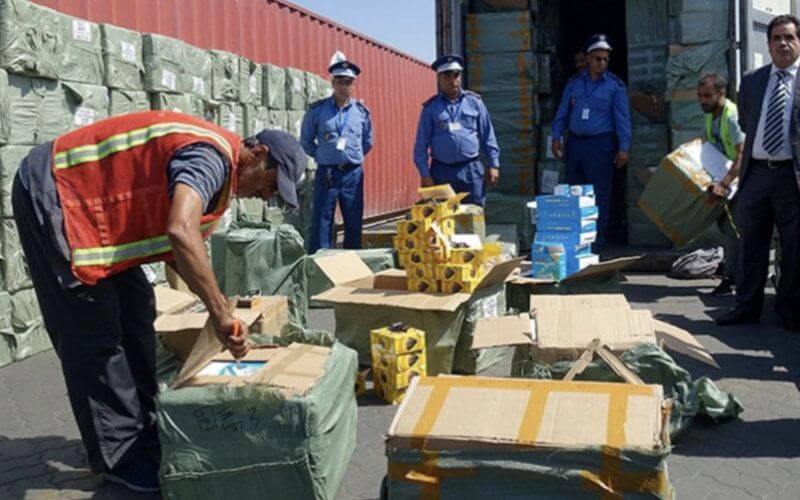
The services of the Ministry of Industry, Investment, Green Economy and Digital, in charge of quality control, in coordination with the services of the Customs Directorate, proceeded, on Thursday, October 10, at the Tanger -Med Port, to the seizure of a shipment of 192,000 non-compliant mobile phone chargers with safety standards.

Moroccan cereal production will record a significant decline, according to the United Nations Food and Agriculture Organization (FAO). The National Cereals Office, while measuring the situation, has approved, through a tender closed on October 1, the import of 576,000 tons of soft wheat, at a reduced rate, from the European Union (EU).

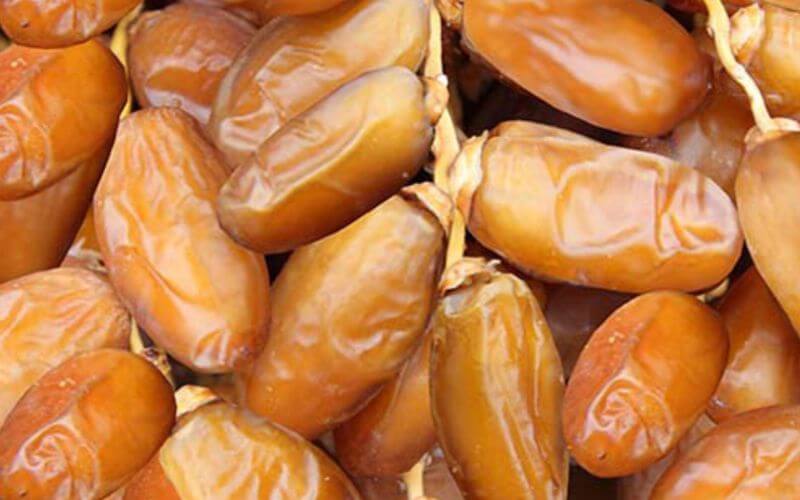
With 33,000 tons during the season from October 1, 2018 to September 30 last year, according to data published by the Tunisian Ministry of Agriculture, Water Resources and Fisheries, Morocco claims the first place among the importing countries of Tunisian dates.

A draft decree has been taken by the Council of Government and aims to lower the import duty on soft wheat and its derivatives.

For the 2020 Finance Bill project, changes are announced on VAT on imports, the Domestic Consumption Tax (TIC) and on import duties. Thus, revisions to these levels of taxation by the State are envisaged next year.