Spain
Moroccan Firms Shift to Legal Imports as Cross-Border Smuggling Ends
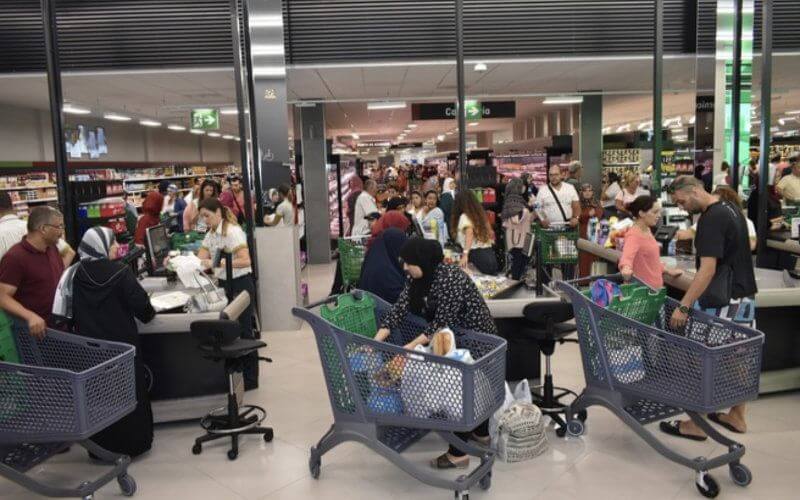
The illegal introduction of Spanish products into Morocco is over. Moroccan companies now import these products legally.

The illegal introduction of Spanish products into Morocco is over. Moroccan companies now import these products legally.
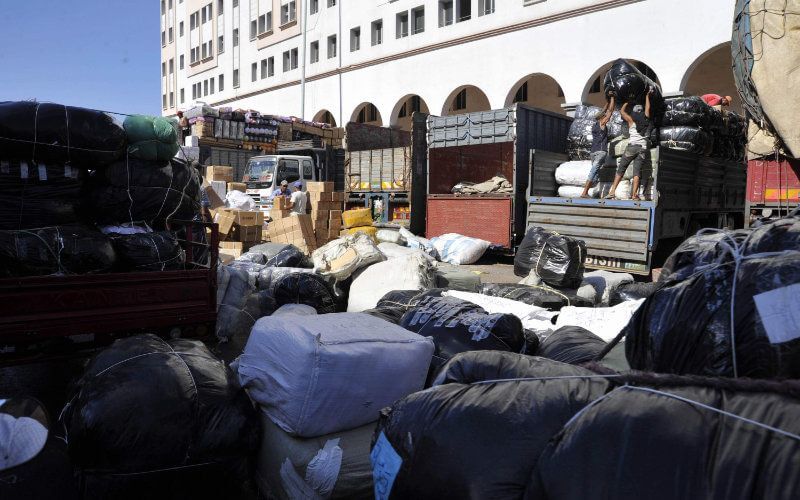
The Coronavirus epidemic is also leaving economic consequences in its wake, slowing down the imports of Chinese products. Merchants in the wholesale markets of Derb Omar, Garage Allal and Souk Korea are bearing the brunt of this situation, which has resulted in huge losses and an increase in product prices.

Morocco fears a shortage of its green tea stocks due to the closure of factories in China, following the Coronavirus epidemic.
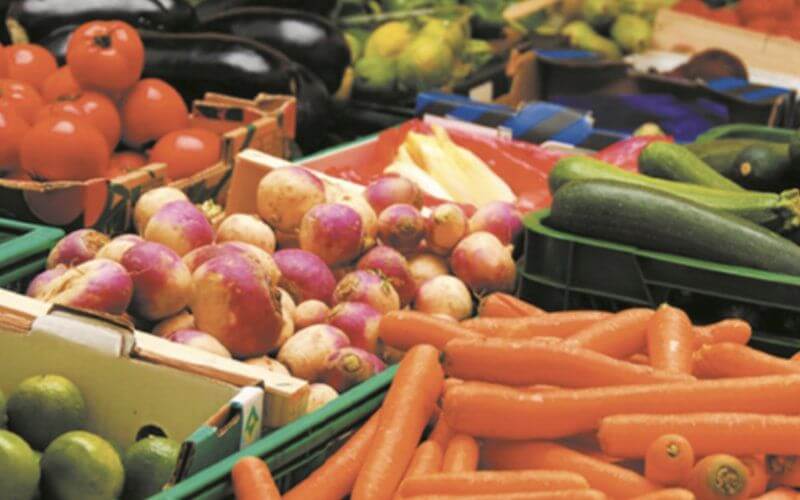
The coronavirus epidemic is likely to make Chinese products disappear from the Russian market. The probability that these imported food products in Russia will be replaced by those from Turkey and Morocco is very high, according to the director of the Russian Association of Food Producers and Suppliers (Rusprodsoyuz).

While Spain’s electricity needs have increased due to the closure of the last coal-fired power plants, imports from Morocco have increased sharply in 2019. A situation that is causing total outrage in Spain.

Moroccan electricity imports have fallen by 93.5%, compared to 2018 when the country imported 2.3 billion dirhams worth.
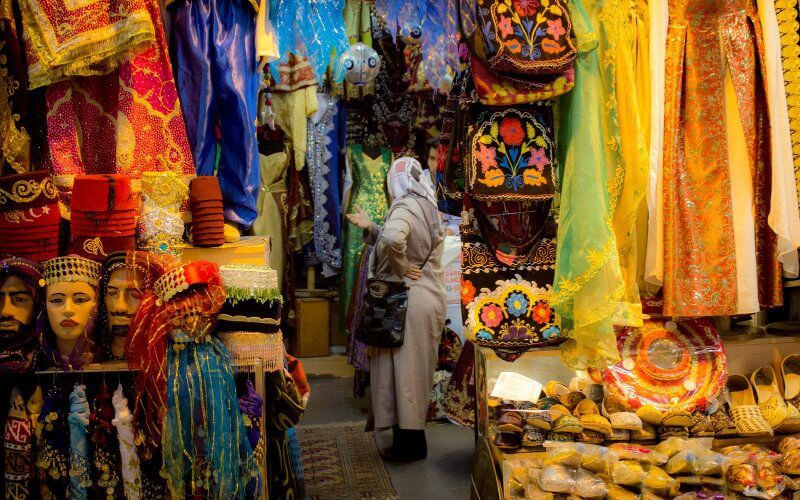
Morocco has increased fees on Turkish textile imports since January 1st. This additional duty, worth 90% of the customs tariff, will be applied under the common law until December 31, 2021.

The Interprofessional Office of Cereals and Legumes (ONICL) is looking for a significant quantity of cereals. It has just launched a tender to import 354,000 tons of durum wheat of American origin.

Trade in goods was marked by an increase in the trade deficit to more than -191.81 billion dirhams (MMDH) at the end of November 2019, compared to -187.44 MMDH a year earlier, an increase of 2.3%.

Morocco has suspended its import duties on soft wheat and its derivatives for the period from January 2 to April 30, 2020.

Improving the Kingdom’s supply of cereals is a major concern for Moroccan importers and Ukrainian exporters. In this sense, they have conducted in-depth reflections on the subject.

While many Turkish companies have been able to establish their hegemony in Casablanca, Rabat, Tangier and Marrakech, some Moroccan brands are betting on exports to cope with local competition. A choice that is not visibly easy.