EU Reports Sharp Drop in Irregular Crossings, but 72,000 Ceuta Arrivals Are Missing From the Tally
The European Union says irregular crossings of its borders fell by nearly a third in 2026. But its latest tally leaves out the 72,000 crossings recorded in Ceuta from Morocco at the end of July. The omission significantly changes how the European figures should be read.

Just over 91,000 irregular crossings were detected at the European Union’s borders between January and September 2026, down nearly a third from the same period in 2025. The figures, released Monday, October 19, by Frontex, the European border agency, come with one major exception: the mass arrivals in Ceuta on July 30 and 31.
On Bladi.net : Ceuta already records a 191% increase in entries… excluding the 72,000 crossings in July
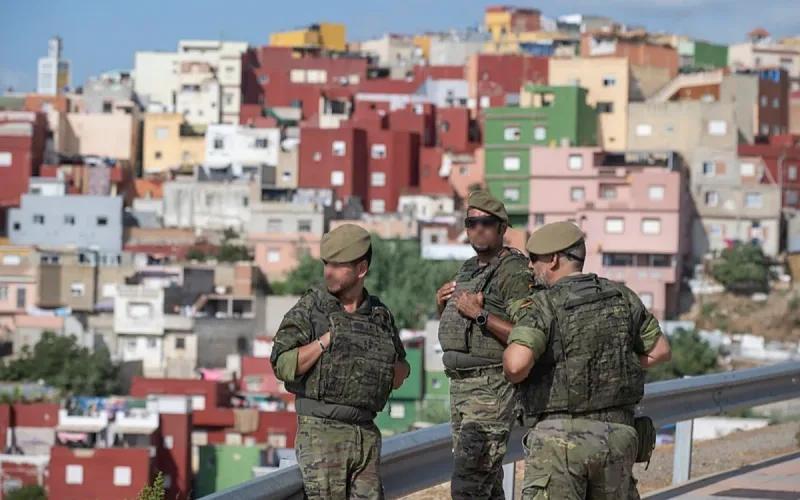
During those two days, tens of thousands of people crossed the border between Morocco and the Spanish enclave. Spain’s Interior Minister, Fernando Grande-Marlaska, officially put their number at 72,000. More than 70,000 people quickly left Ceuta to return to Morocco, according to the Spanish authorities.
Three months after the event, however, those crossings are still missing from the European tally. In a note accompanying its latest statistics, Frontex says data on Ceuta’s land border for July 30 and 31 are still being reviewed by the member state concerned. The Council of the European Union also confirms the exclusion in its overview of migration routes.
The Spanish figure of 72,000 alone represents a considerable number compared with the 91,000 crossings counted across Europe. Adding them would nevertheless produce only a provisional total, as the final data for Ceuta have yet to be established. In a study published on October 8, the European Parliament gives an even higher estimate of about 80,000 people.
The Morocco-Spain route bucks the trend
European statistics also point to a distinct trend in the western Mediterranean. This route, which includes crossings to Spain and its enclaves of Ceuta and Melilla, is the only major migration route to record an increase in 2026.
Between January and September, Frontex detected 18,260 irregular crossings there, up 26% in a year. Detections at land borders more than doubled, while sea arrivals rose 8%, with Algeria the main country of departure for crossings to the Iberian Peninsula and the Balearic Islands.
On Bladi.net : The CNI had identified 2,000 people near Ceuta; 72,000 ultimately crossed the border
The situation is different on the Atlantic route to the Canary Islands. Frontex recorded around 7,100 crossings there since the start of the year, down 45%. But September brought a sharp change: nearly 1,900 arrivals were detected, four times as many as in August, with departures reported from Morocco and The Gambia.
In Brussels, European Commissioner for Home Affairs Magnus Brunner welcomed the results of the EU’s migration policy. Frontex Director Hans Leijtens, for his part, noted that smuggling networks are adapting their routes. The latest statistics thus show an overall decline in detected crossings, a continued rise on the Spanish route and an exceptional episode in Ceuta that remains outside the tally.