72,000 crossings into Ceuta: Sánchez admits Morocco opened the floodgates for ten hours
Pedro Sánchez now acknowledges that Moroccan forces allowed migrants to enter Ceuta for ten hours on 30 July. However, the Spanish prime minister still refuses to accuse Rabat of organizing the mass arrival of more than 70,000 people.
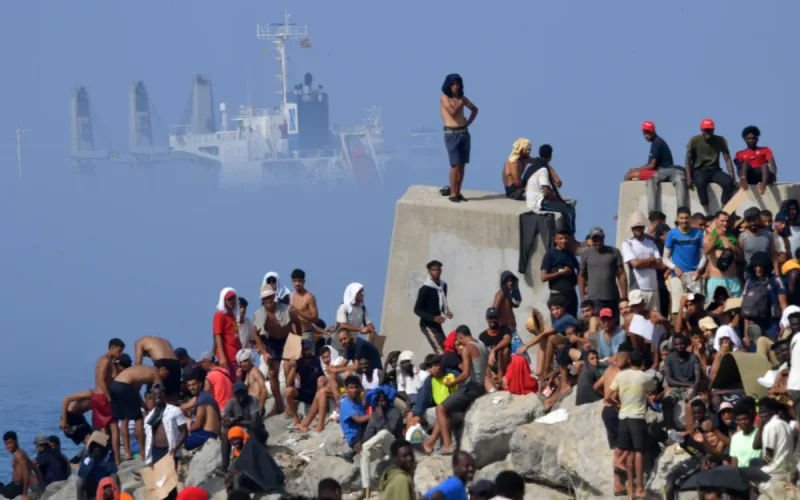
Pedro Sánchez made a major concession on Thursday before the Spanish Congress. After several weeks of controversy over Morocco’s role in the mass crossings into Ceuta, the head of government now acknowledges that the Moroccan Gendarmerie did not prevent the crossings during a decisive period of the crisis.
“The Gendarmerie allowed the crossing” for approximately ten hours, Sánchez acknowledged during his appearance before lawmakers, according to Reuters.
This period corresponds to 30 July, when arrivals into Ceuta reached their highest level.
Sánchez now distinguishes three phases in the attitude of the Moroccan authorities. At first, the border apparatus reportedly functioned normally. Then came those ten hours during which Moroccan gendarmes allowed the crossings. Finally, Moroccan forces reportedly intervened effectively again to control the situation.
The Spanish prime minister nevertheless acknowledges that he still does not know why the Moroccan apparatus stopped functioning during those decisive hours.
On Bladi.net : 72,000 crossings into Sebta: Spanish police accuse Morocco of organizing everything
It will be necessary to determine whether this was “inaction” or an inability to contain the influx, he explained.
This acknowledgment comes only twenty-four hours after the disclosure of a Spanish National Police report accusing Moroccan agents of participating in the movement of tens of thousands of people toward Ceuta.
Sánchez still refuses to accuse Rabat
On one essential point, Pedro Sánchez nevertheless refuses to follow the report’s most serious conclusions.
“To date, no one has provided the government with evidence allowing us to conclude that this mass entry into Ceuta was conceived and carried out by the Moroccan authorities,” the head of government told Parliament.
Sánchez promises that Spain will act firmly if such evidence emerges.
The report by the National Centre for Immigration and Borders (CENIF), however, goes much further. After analyzing videos, satellite images and testimonies, Spanish police refer to an operation organized in several waves and intended to overwhelm Spain’s capabilities.
They notably claim to have identified alleged members of the Moroccan forces giving directions to people wishing to cross by sea.
The document also describes an unusually weak Moroccan police presence along the border and believes that no serious attempt was made to disperse the gatherings.
Spanish investigators even consider that the scale of the operation exceeds the usual capabilities of smuggling networks.
On Bladi.net : The CNI had identified 2,000 people near Ceuta; 72,000 ultimately crossed the border
Sánchez nevertheless highlights what happened after the ten hours during which crossings were allowed.
Moroccan forces then carried out hundreds of arrests and, according to him, played a “decisive” role in the return to Morocco of the vast majority of people who had reached Ceuta.
Around 50,000 people reportedly returned to Morocco in less than twenty-four hours, and around 63,000 during the first three days.
Madrid therefore wants to review its cooperation with Rabat. “After what happened, this cooperation must be different,” Sánchez declared.
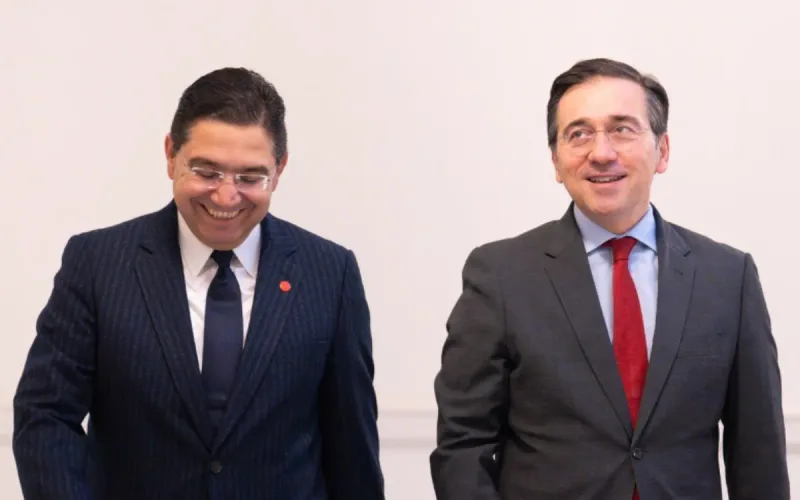
The crisis also caused diplomatic tension that had until now remained discreet. The prime minister revealed on Thursday that Spain had summoned Morocco’s ambassador in Madrid on 21 August after statements by Moroccan officials about Ceuta and Melilla that his government deemed “unacceptable.”
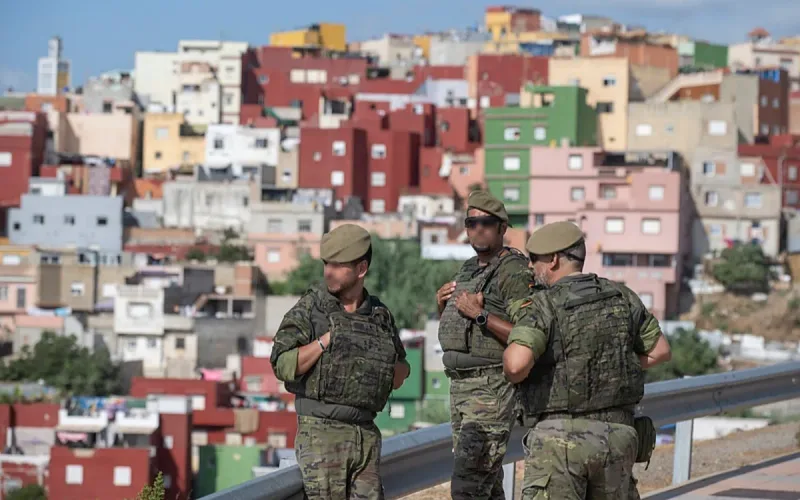
The crisis of 30 July also prompted Madrid to place Ceuta at the highest level of its national security apparatus, with intelligence services and the armed forces directly involved in managing the matter.