72,000 crossings from Morocco: Spain deploys the military option in Ceuta
Spain has just modified the exceptional measures put in place in Ceuta following the mass crossings from Morocco. A new decree maintains the possibility of mobilizing the army’s surveillance, transport and communications resources, but changes several facilities that may be used.
Madrid is adjusting its measures in Ceuta just one week after adopting them. On Wednesday, September 2, the Spanish government published a new decree specifying the resources that may be mobilized in the city במסגרת the situation of interest to national security.
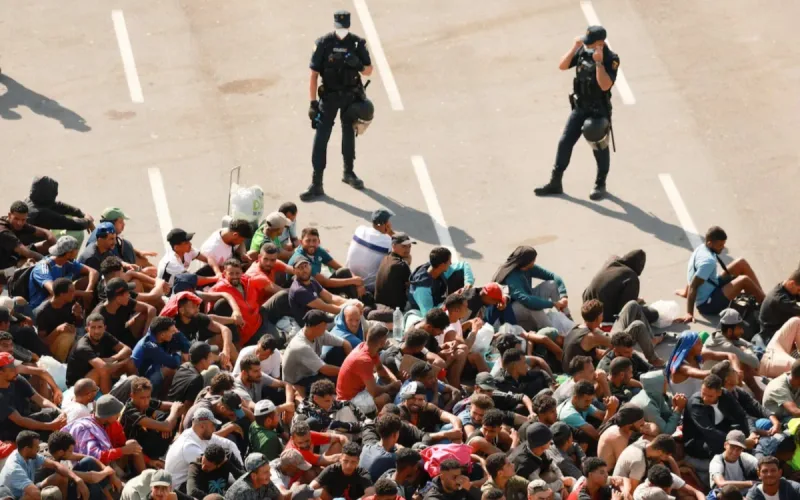
The measure comes after Pedro Sánchez’s exceptional meeting with the Spanish army and intelligence services, organized following the mass entries from Morocco on July 30 and 31.
According to Royal Decree 718/2026, published in the Official State Gazette, the Spanish Ministry of Defence may continue to provide Ceuta with human, logistical and medical capabilities, as well as transport, surveillance, infrastructure, accommodation and communications resources.
On Bladi.net : After recalling its soldiers, Spain sends 150 more to Ceuta
These capabilities had already been provided for in the first decree of August 26. The main new element concerns the specific facilities that Madrid will now be able to use to manage the crisis.
The K8 military camp enters the system
Among the changes is the addition of land located in the K8 military compound, a military facility in Ceuta. The government will also be able to use two plots in the western extension of the port, as well as land in Loma Colmenar.
Several properties belonging to the Spanish Ministry of Defence also remain available: land in Loma Margarita, facilities at Hípica and the former football field in the cavalry district.
Madrid is, however, removing several sites that still appeared in the text adopted on August 26. A former flour factory belonging to the Defence Ministry and unused land at the Coronel Fiscer military compound are notably disappearing from the list.
Several sports facilities will ultimately not be mobilized either, nor will the area of the former military hospital that had been made available to the city.
The government justifies these changes by pointing to the discovery of alternative locations that could be used more quickly and with fewer consequences for the daily lives of Ceuta’s residents.
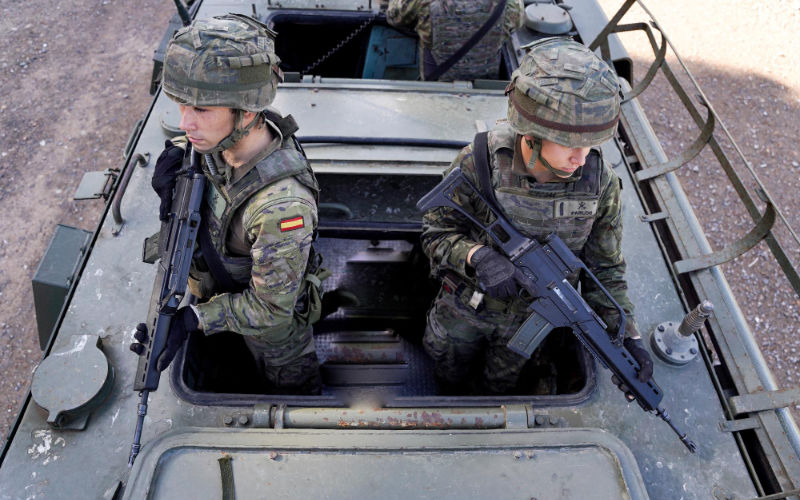
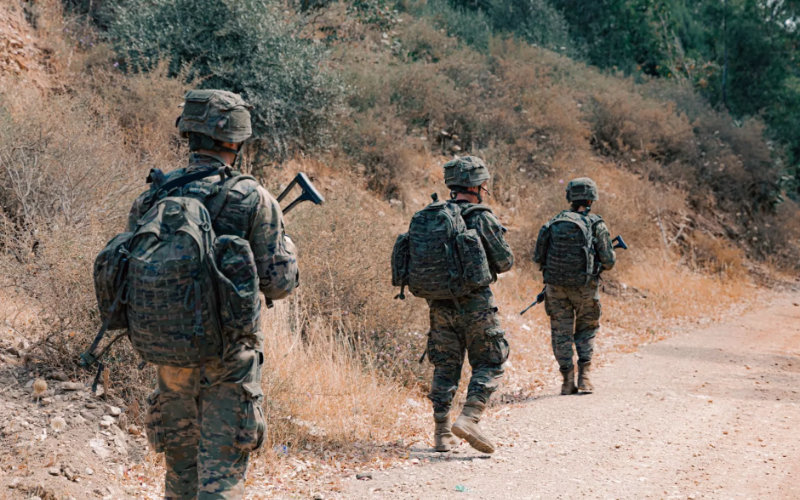
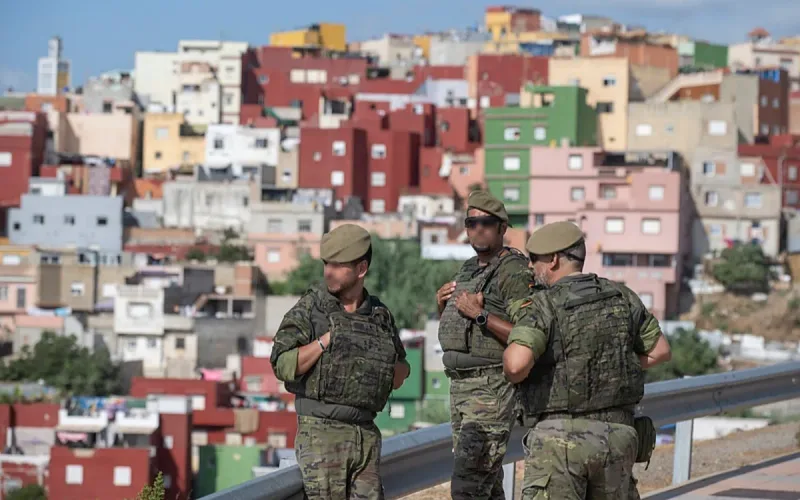
The army’s presence in the measures nevertheless remains significant. Spain had already sent more than 150 additional soldiers to Ceuta from the Canary Islands to reinforce the units stationed in the city.
Madrid is simultaneously refusing to specify all the surveillance resources actually deployed. The Spanish general staff has notably still not confirmed whether its MQ-9 Predator B drones are taking part in surveillance around Ceuta.
On Bladi.net : Spain reveals almost everything about Ceuta—except whether its Predator drones are monitoring Morocco
The new decree takes effect immediately, as of September 2. It comes as the Ceuta crisis remains particularly sensitive in relations with Morocco. A report by the Spanish National Police, since denied, now claims that the 72,000 crossings recorded at the end of July may not have been entirely spontaneous.