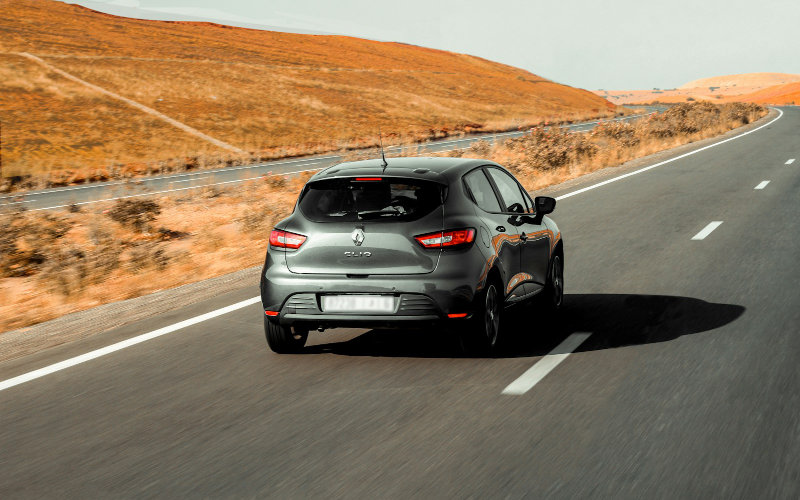
The more your car pollutes, the more it could cost you in Morocco
Morocco is developing a bonus-malus system designed to promote cleaner vehicles and make the purchase of the most polluting models more expensive. However, no scale or implementation timetable has yet been established.

The Ministry of Transport and Logistics is currently working on the development of this mechanism, confirms a study published on September 21 by GIZ. The report was prepared with the support of the ministry and the National Road Safety Agency (NARSA).
The principle is to grant an advantage when purchasing the least polluting vehicles and, in return, apply a penalty to models emitting more CO₂. The mechanism should therefore influence motorists’ choices by directly changing the price paid at the time of purchase.
On Bladi.net : Fuel Prices Too High: Moroccans Flock to Electric and Hybrid Vehicles
The bonus-malus system has featured for several years in Morocco’s climate commitments. Already included in the climate contribution submitted in 2021, it was retained in the new roadmap submitted to the United Nations in September 2025.
Its reduction potential is estimated at 3.29 million tonnes of CO₂ between 2026 and 2035. However, the report specifies that this is a conditional measure, whose implementation depends on international financial support and assistance.
The scale remains entirely to be determined
At this stage, no amount has been announced. The study specifies neither the value of the bonus granted for clean vehicles nor that of the penalty imposed on the highest-emitting models. The CO₂ thresholds and the entry-into-force date also remain unknown.
Consequently, it is impossible to determine how much extra the buyer of a combustion-engine car might have to pay or what assistance would be granted for the purchase of an electric or hybrid model.
The project comes as Morocco still has no mandatory energy-performance or CO₂-emissions standards for new passenger cars and light commercial vehicles. Nor is there any labeling that systematically informs buyers about the consumption and emissions of the different models.
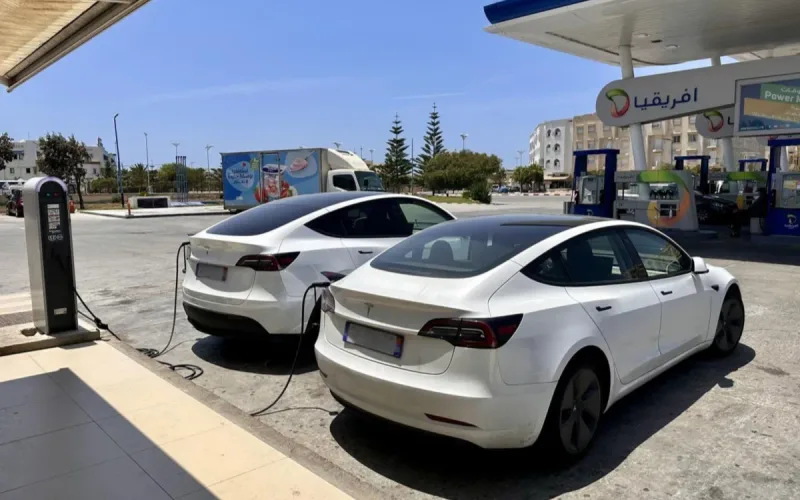
GIZ therefore recommends accompanying the bonus-malus system with energy labeling, performance standards applicable to new vehicles, and faster development of charging stations. It also advocates assessing the social consequences of these measures and providing assistance for households and transport professionals.
On Bladi.net : Morocco Lags Behind Europe in Electric Car Adoption, Facing Key Obstacles
This reform would accompany the rapid growth of electric and hybrid vehicles on the Moroccan market. Above all, it would bring the automotive transition into a new phase: a vehicle’s emissions could henceforth have a direct impact on its purchase price.
Implementation will still require an agreement with the Ministry of Economy and Finance, owing to its tax and budgetary consequences. For now, only the principle has been confirmed: the Ministry of Transport is indeed preparing the mechanism, but its details still need to be developed.