Soaring Argan Oil Prices Make Moroccan Staple a Global Luxury
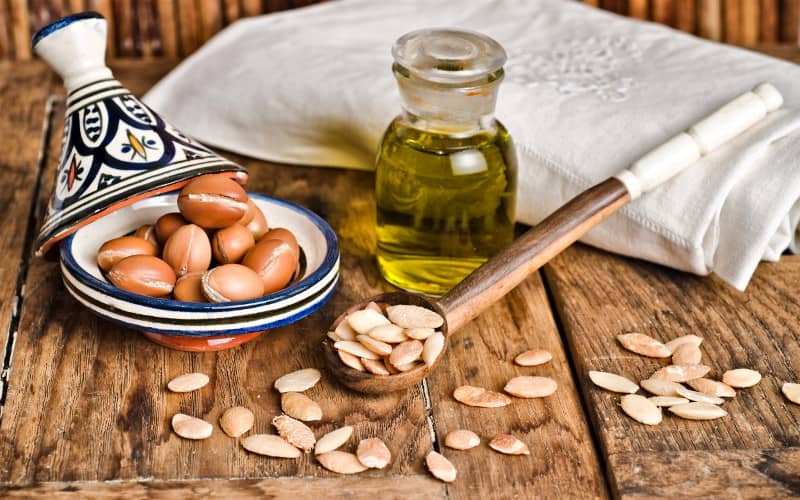
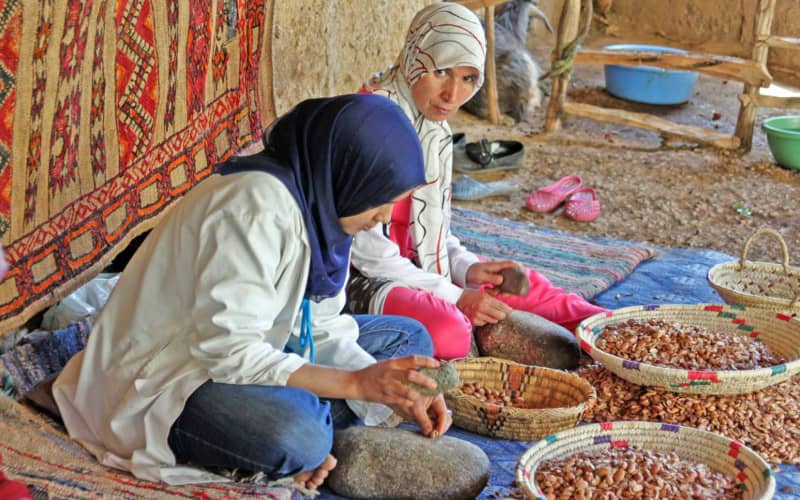
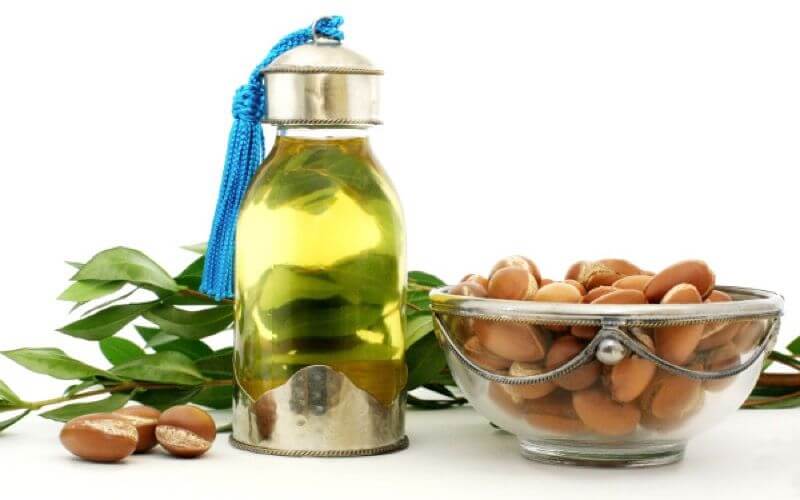
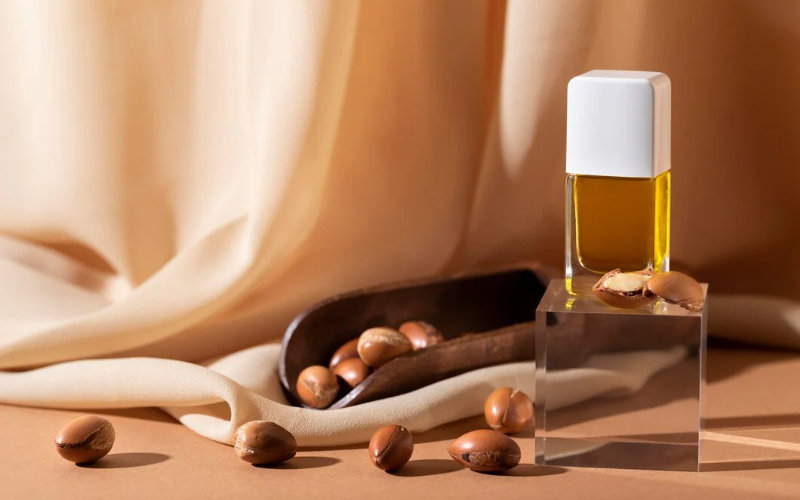
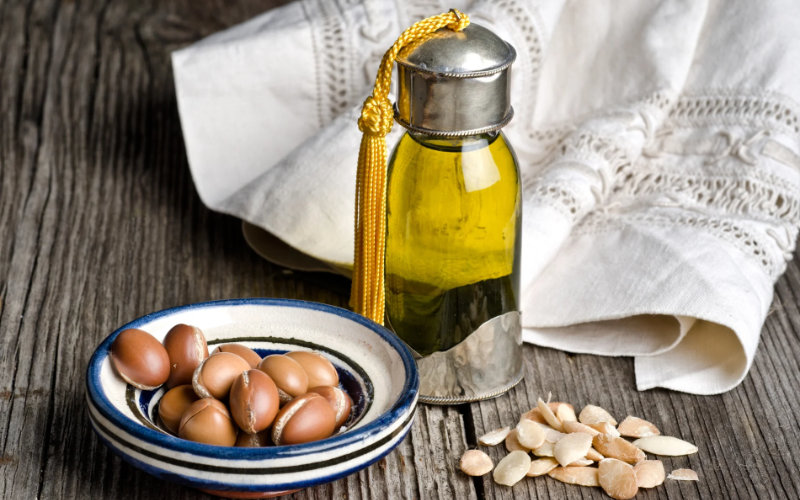
Argan oil is seeing its price soar this year in Morocco. Once a common consumer product, it is becoming a luxury reserved for the wealthiest, a victim of its international success.
Argan oil is seeing its price soar this year in Morocco. Once a common consumer product, it is becoming a luxury reserved for the wealthiest, a victim of its international success.
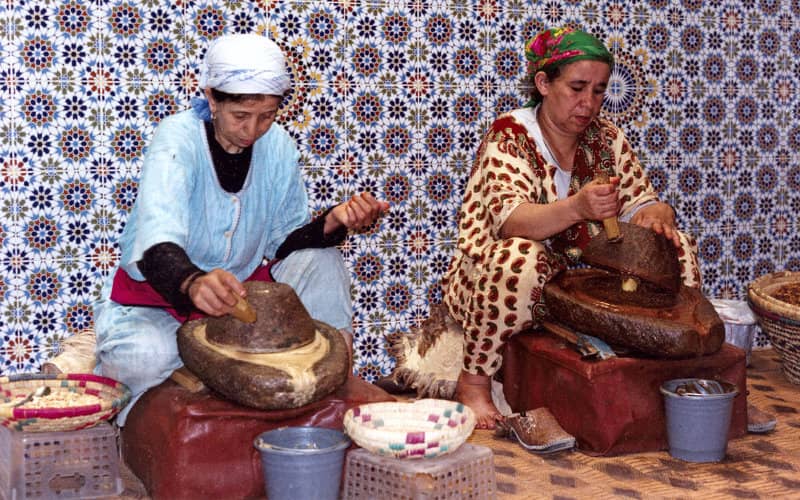
In Morocco, global warming and forestry exploitation could be responsible for the disappearance of the argan tree, the tree whose role is to produce argan oil, an oil with legendary virtues.

The Sunergia Group has just carried out a new study on the quality of Moroccan products. It emerges that 79% of the people surveyed find that local food and beverages have much better quality, while 12% prefer the quality of foreign products.

In a difficult context marked by the health crisis due to the coronavirus, Moroccan exports of argan oil recorded strong growth last year, reaching some $31 million according to official figures.

Morocco has decided to restrict the export of argan oil. With this seemingly extreme measure, the authorities want to protect a terroir increasingly monopolized by cosmetics multinationals.

The argan tree, produced mainly in the Agadir region, is a Moroccan wonder that faces Israeli competition.

Morocco has literally lost the monopoly on argan oil production to Israel, whose trees now produce 10 times more.

In its desire to carve out a place for itself on the world market, "Made in Morocco" organic products are facing several bottlenecks, including the cost of inputs, domestic demand, seeds and the legal void.

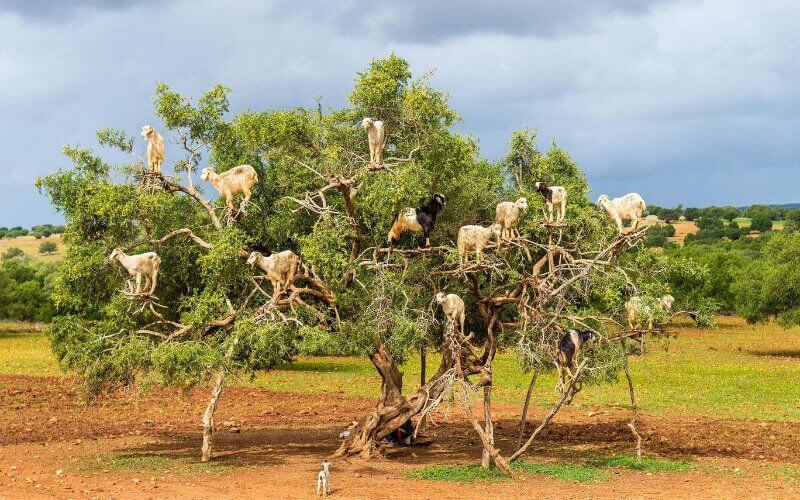
An investigation by a British environmental photographer in Essaouira concerning the goats perched in the argan trees has just been taken up by a host of Western media, outraged by the alleged tourist scam of the tourism players and farmers in the region.