Morocco Limits Argan Oil Exports to Protect Local Industry from Global Demand
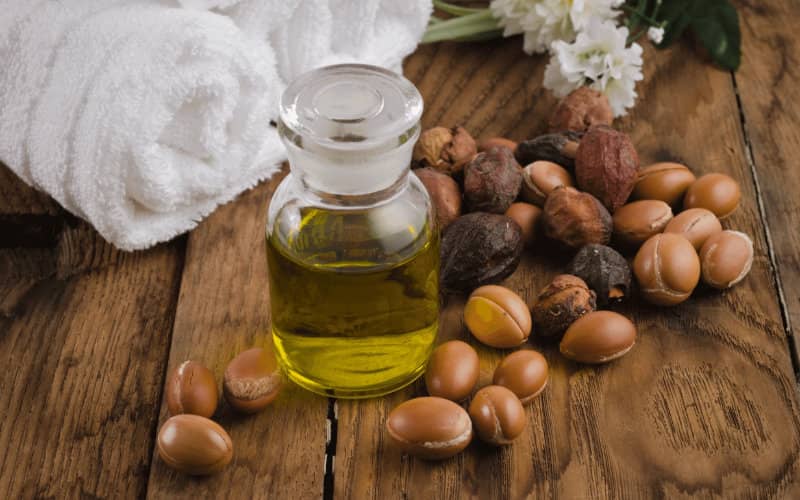
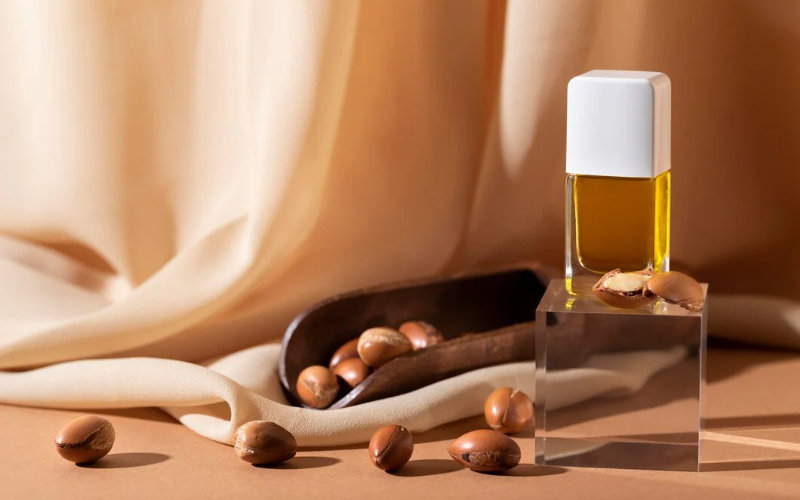
Morocco has decided to restrict the export of argan oil. With this seemingly extreme measure, the authorities want to protect a terroir increasingly monopolized by cosmetics multinationals.
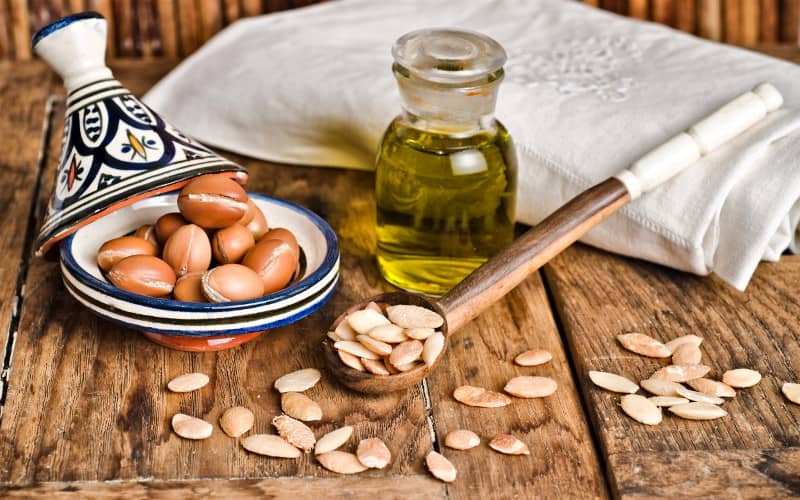
From now on, the amount of argan oil destined to leave Morocco will be strictly controlled by the customs services. As of July 1st, a license will be mandatory for the export of roasted or unroasted argan oil in containers with a capacity greater than 5 liters. With this decision, the government intends to control the volume of argan oil exports when the price of this product is rising on the world market.
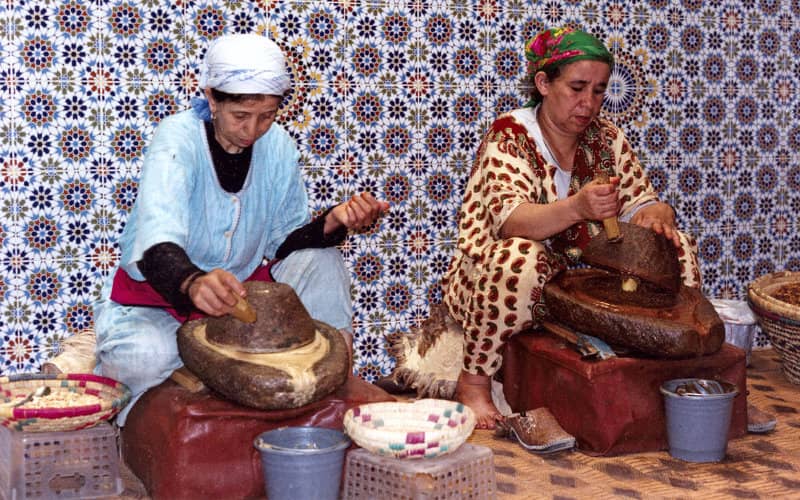
"The biggest problem facing the sector is the monopoly of multinationals," said Professor Zoubida, president of the Ibn Al Baytar association. According to her, the multinationals took advantage of the Covid-19 pandemic to impose themselves on the cooperatives. Since then, "the raw material has become inaccessible and the cooperatives could no longer buy it. This strategy of the multinationals has driven up prices from 500 dirhams to 600 dirhams," explains the president of the Ibn Al Baytar association.
In 2019, Morocco produced 4,000 tons of argan oil. 1,800 tons of production is marketed nationally. And for the development of this culture, the president estimates that "a lot of efforts have been made for the organization of the sector, the rehabilitation of the argan grove and the promotion of argan cultivation, but it takes time to increase production and reach the objectives set by the supervisory authority".
Currently, the sector is facing a problem related to the refining of the oil which is done outside the country. This is why "the government’s decision to limit the export of argan oil could be judicious, if in Morocco we manage to refine the product". But by June, it will be very difficult. The consequence is also that some cosmetic companies will not be able to make products based on argan oil, because refining is lacking in Morocco, warns the official.
It should be remembered that the restrictions announced for July 1st come at a time when Moroccan products are successful on the international market while their purchase price is skyrocketing on the domestic market. The Russia-Ukraine conflict has exacerbated the rise in international prices. To cope with the situation, many countries have decided to do like Morocco: regulate their exports.