Morocco to Import 2.5 Million Tons of Wheat Amid Drought-Induced Shortage
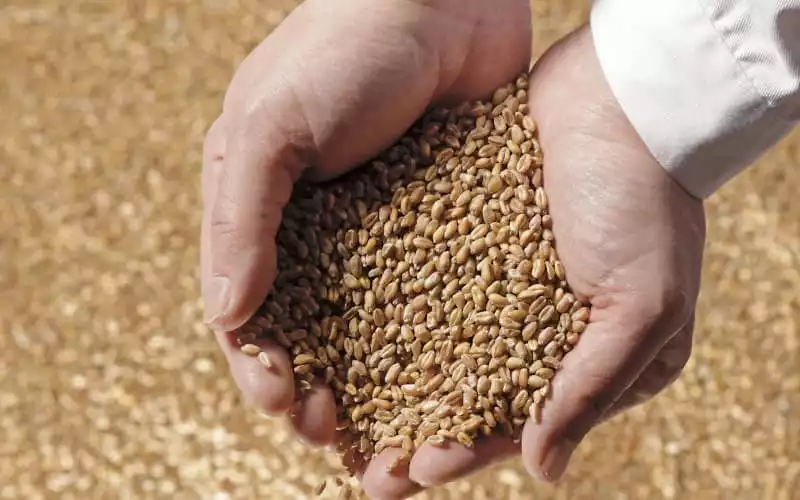
Morocco wants to import 2.5 million tons of wheat between July 1 and September 30, 2023, announced the National Interprofessional Office of Cereals and Legumes (ONICL).

Morocco wants to import 2.5 million tons of wheat between July 1 and September 30, 2023, announced the National Interprofessional Office of Cereals and Legumes (ONICL).
The first farmers arrived in Morocco 7,400 years ago, from Spain. This is revealed by a genetic study of the bones and teeth of nine individuals found in the kingdom, the results of which were published on Wednesday in the journal Nature.

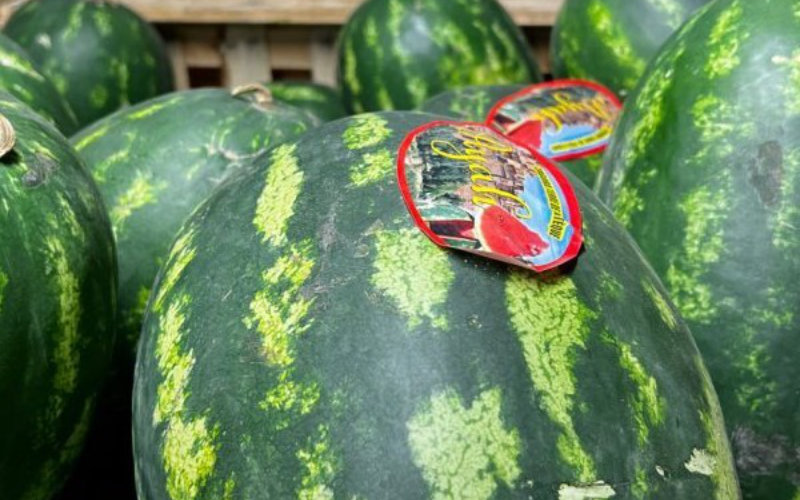
A farmer from Motril has decided to give away nearly 100 tons of watermelons due to the collapse of prices and the invasion of Moroccan products.

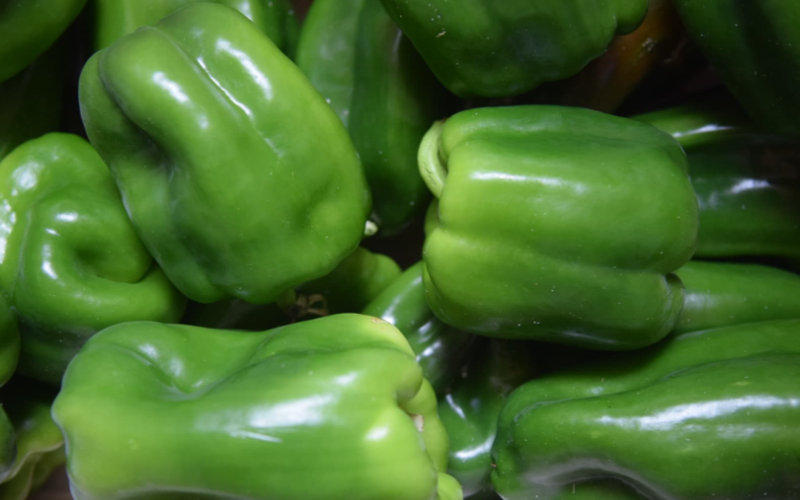
After tomatoes, peppers. Morocco is increasingly confirming its position as a pepper exporter, especially to Europe, with a strong 45% increase in exports in recent years.

A labeling action was launched on Friday, June 2, 2023 by the tomato producers of Ille-et-Vilaine and the FDSEA 35, to denounce the tomatoes imported from Morocco .

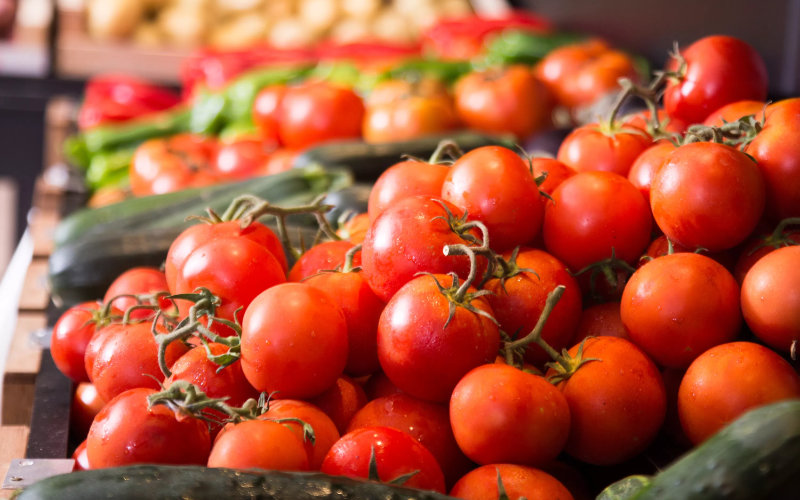
Faced with the increase in imports of Moroccan tomatoes , French producers express their concern and point to unfair competition.

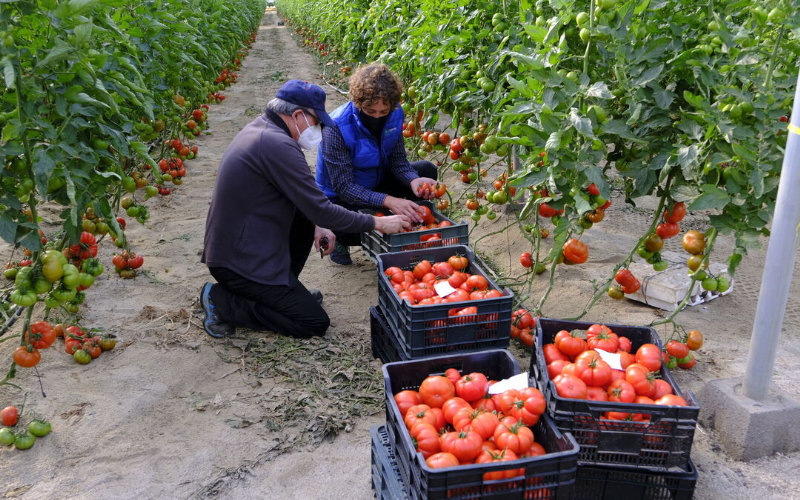
While Moroccan tomato exports to the EU have increased from 365,695 tons in 2013 to 557,225 tons in 2022 (701,541 tons including the United Kingdom), those of Spain have been declining steadily for the past five years. A situation denounced by Spanish producers.

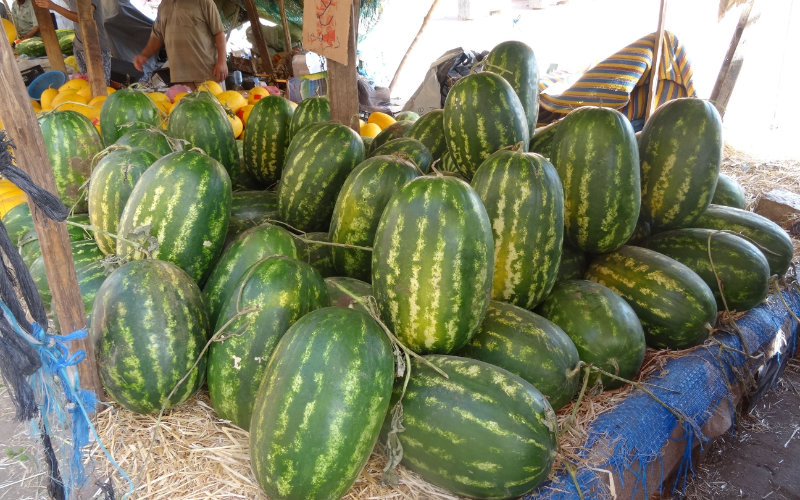
Concern is growing in the Moroccan watermelon sector, in this difficult period marked by severe drought and water stress. Yet, watermelon production requires a significant amount of water.

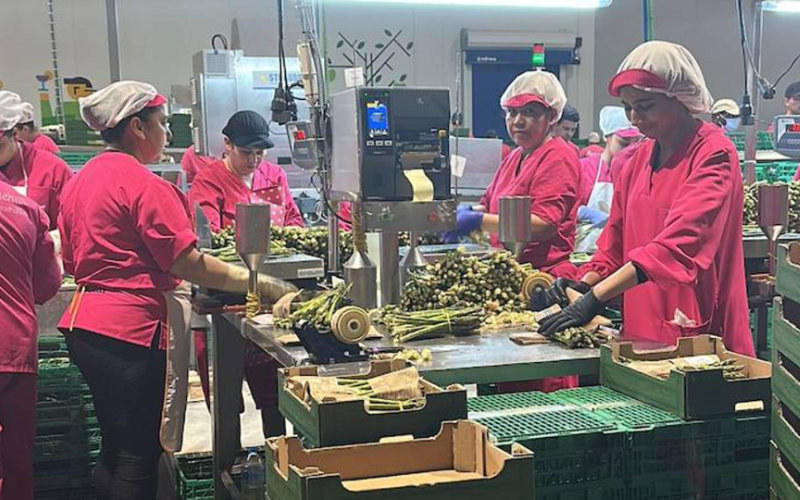
Six of the seven Moroccan seasonal workers recruited by the Union of Agricultural Producers (UPA) of Granada, as part of a pilot experiment for the asparagus campaign, have disappeared.

The Office Chérifien des Phosphates (OCP) confirms that it has successfully acquired 50% of the capital of the Spanish company GlobalFeed. This transaction was carried out in partnership with the fertilizer company Fertinagro Biotech, also based in Spain.

Moroccan fruits and vegetables, especially tomatoes, are direct competitors of Spanish products on European markets.

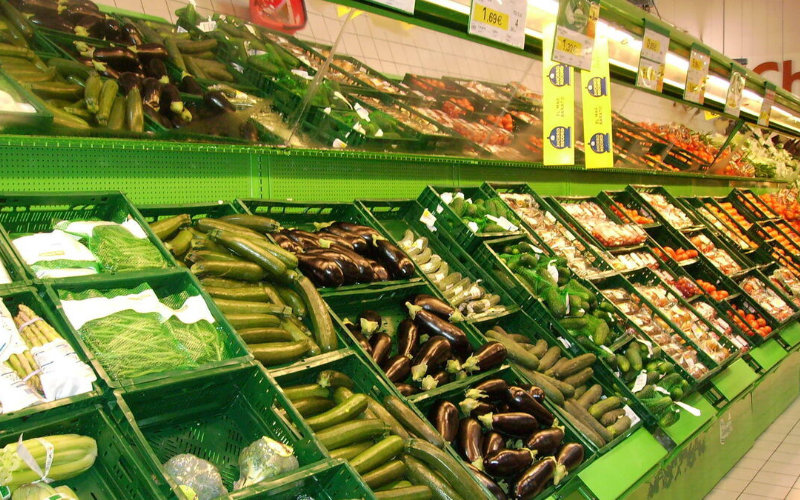
While continuing to develop and modernize its agricultural and agri-food sector, Morocco has gradually conquered the European market, becoming today the main supplier of certain fruits and vegetables such as tomatoes, highly sought after in supermarkets in the old continent.