Morocco
Startup Cultivates Algae in Moroccan Sahara to Combat Climate Change
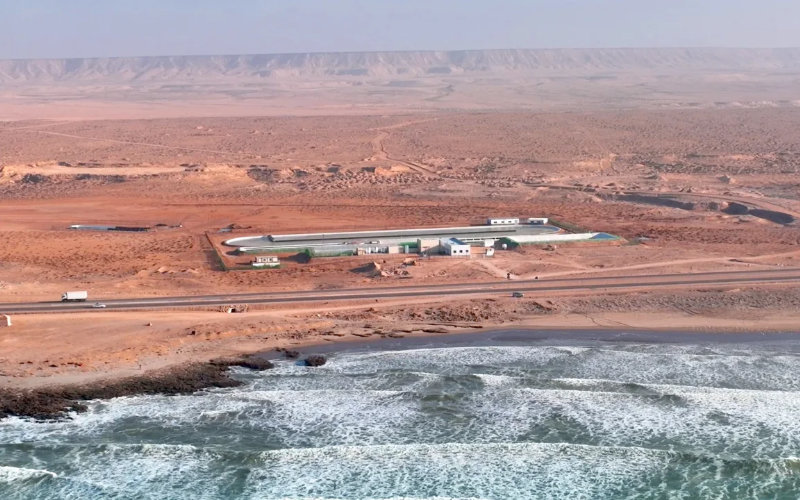
To address climate change (drought, floods, heat waves, etc.), a London start-up has rented over 6,000 hectares in the Moroccan Sahara to cultivate and bury algae.

To address climate change (drought, floods, heat waves, etc.), a London start-up has rented over 6,000 hectares in the Moroccan Sahara to cultivate and bury algae.
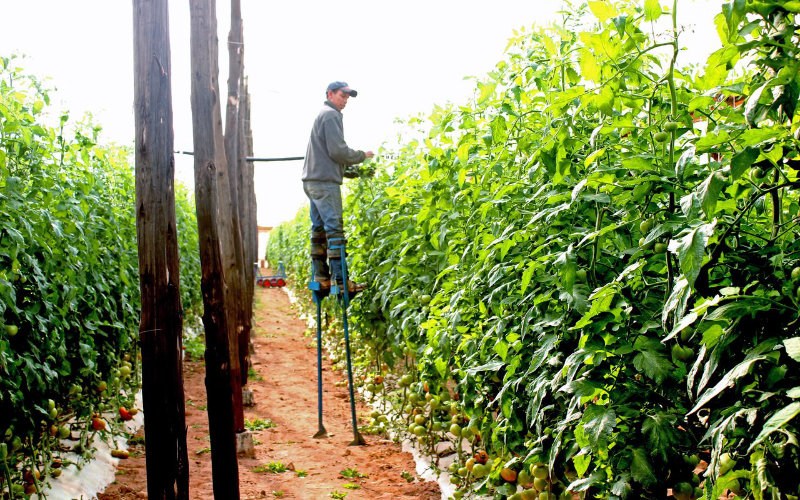
The heatwave in Morocco, with heat waves reaching up to 50 degrees, added to the sandstorms coming from the Sahara, is destroying fruit and vegetable crops, affecting the agri-food sector, one of the pillars of the kingdom’s economy.
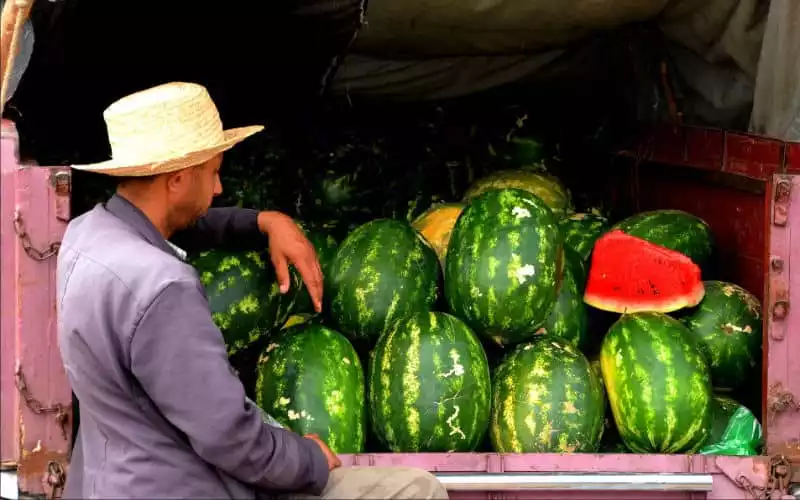
Should we continue to produce red watermelon that requires a large amount of water and depletes the soil, when Morocco is experiencing the worst drought in four decades? The question divides producers, exporters and environmentalists, and concerns deputies.
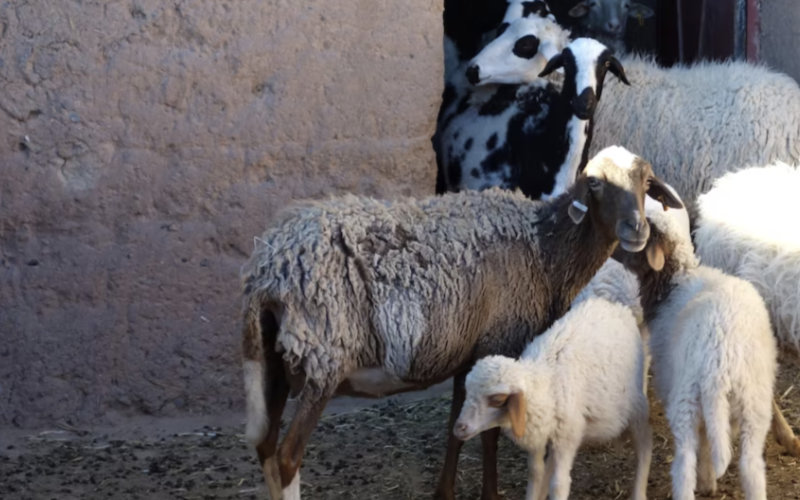
Faced with a shortage of red meat caused by a severe drought affecting its livestock sector, Morocco is turning to Australia to import livestock. A request has been made to the federal Minister of Agriculture, Murray Watt, in this regard.
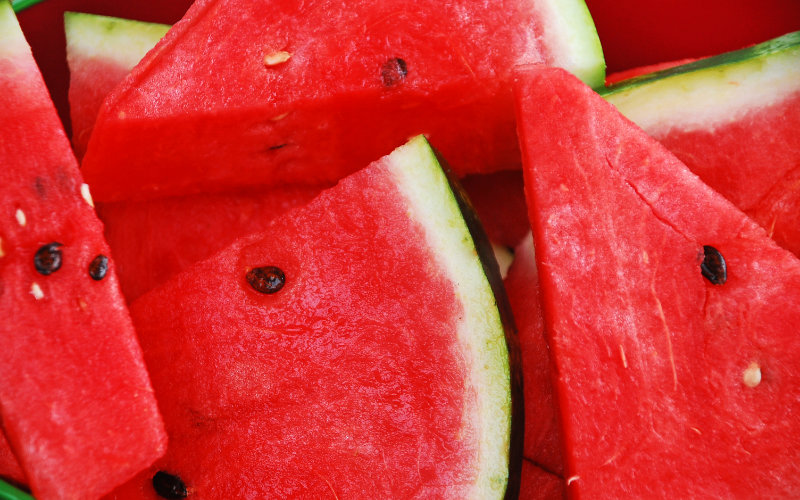
Spanish farmers are asking the European Union (EU) to require compliance with EU standards on the use of pesticides by third countries, including Morocco. An appeal made following the recent withdrawal from the Spanish market of a batch of Moroccan watermelons containing high levels of methomyl, a pesticide not authorized in the EU.
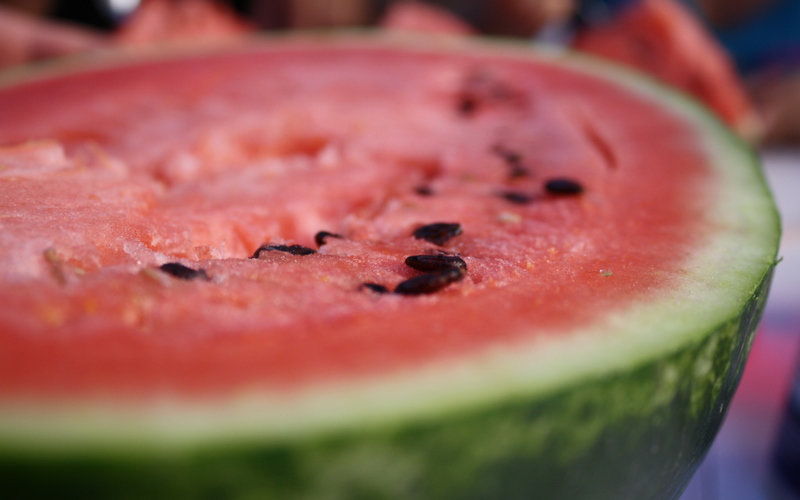
The National Office of Food Safety and Security (ONSSA) explains the notification from Spain on the detection of residues of methomyl, an unauthorized pesticide, in Moroccan watermelons.
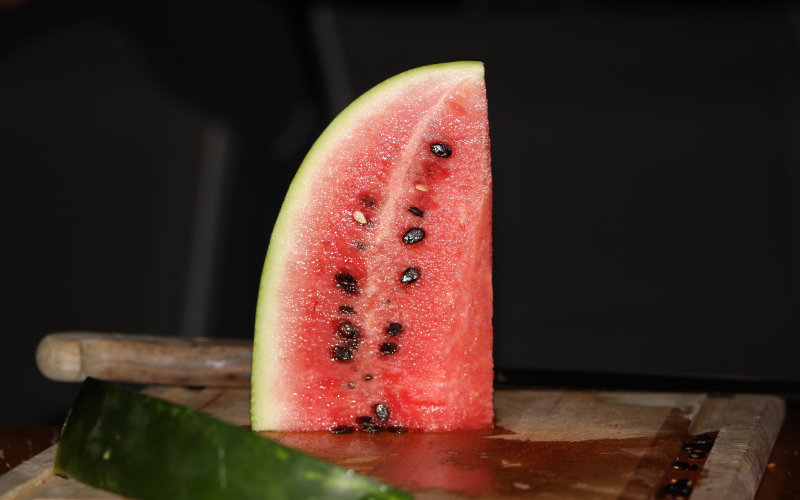
A high presence of methomyl, an unauthorized pesticide, has been detected in Moroccan watermelons exported to Spain, according to the Rapid Alert System for Food and Feed (RASFF).
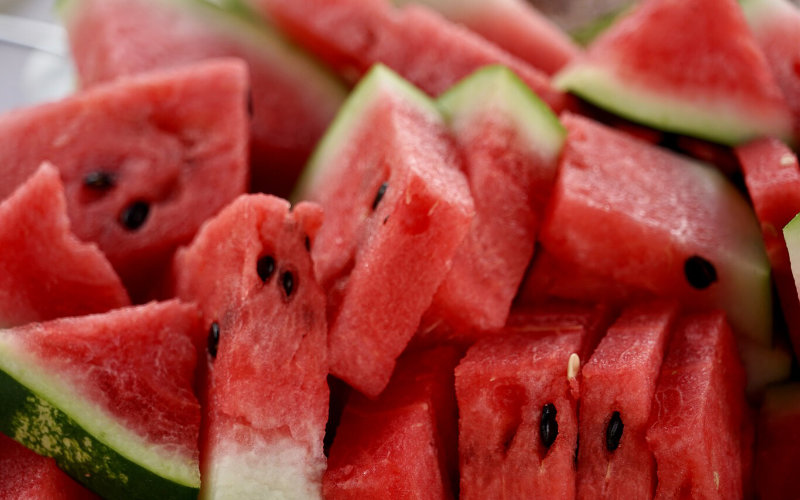
Morocco sold 248.8% more watermelons than Spain on the markets of the European Union (EU) in the month of April, according to data from the Euroestacom (ICEX-Eurostat) statistical services.
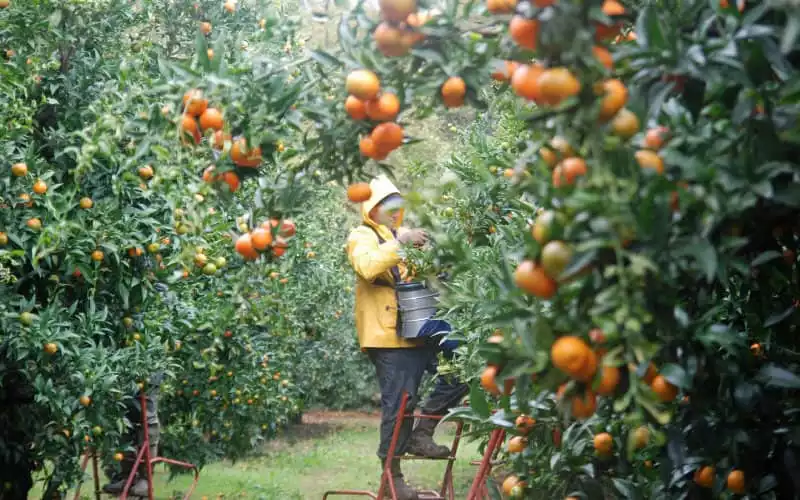
The Moroccan and French authorities have just signed a framework agreement to facilitate the recruitment of Moroccan agricultural seasonal workers in French farms.

Morocco expects a slight acceleration of its economy this quarter, with growth forecast at 3.4%, compared to 3.2% in the previous quarter, according to forecasts from the High Commission for Planning (HCP) .
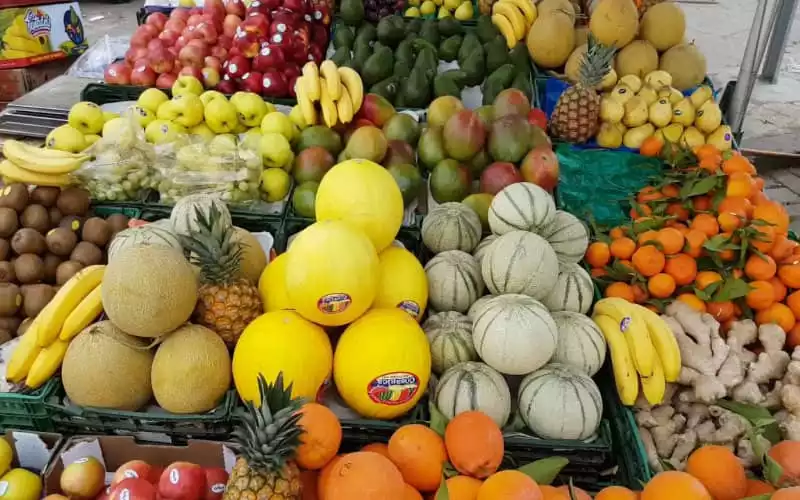
A record of Moroccan agricultural product exports has been recorded in the United States, with some $439 million last year.
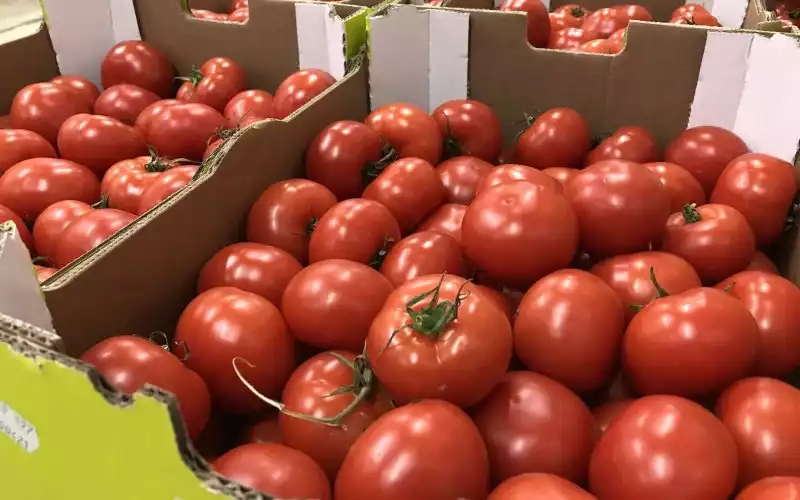
For the first time, Morocco has risen to the rank of leading supplier of tomatoes on the European market, overtaking Spain. A pure coincidence? No, Morocco is gradually taking the place of the leading supplier for Europe.