Tunnel between Morocco and Spain: the technical dream turns into an economic nightmare for Andalusia
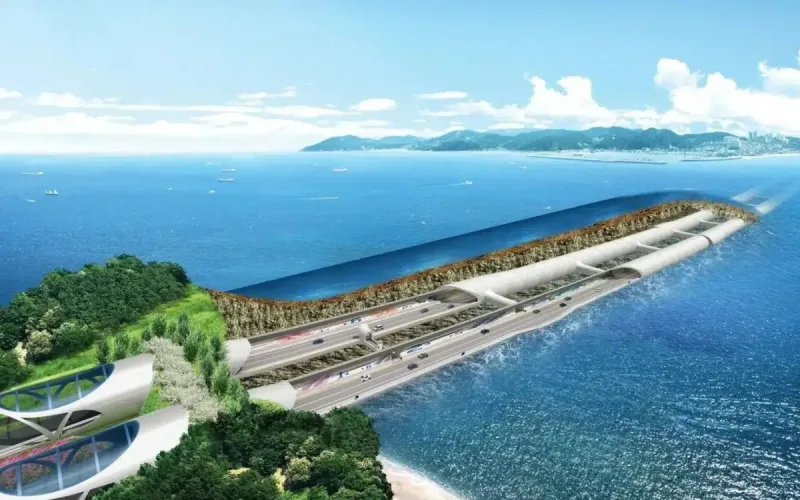
The pharaonic project of a fixed link between Morocco and Spain has just reached a decisive milestone. While the technical feasibility has now been validated by German experts, enthusiasm is giving way to anxiety on the northern shore. Andalusia fears becoming the big loser in the story, relegated to the rank of a simple transit corridor for a booming Moroccan economy.
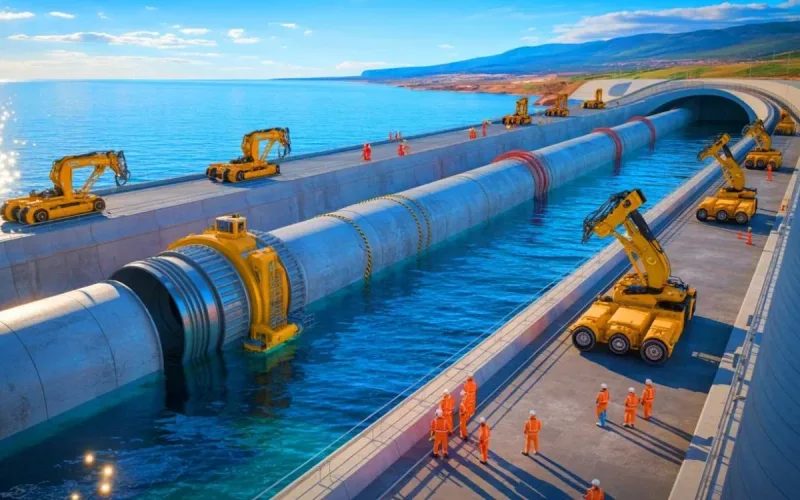
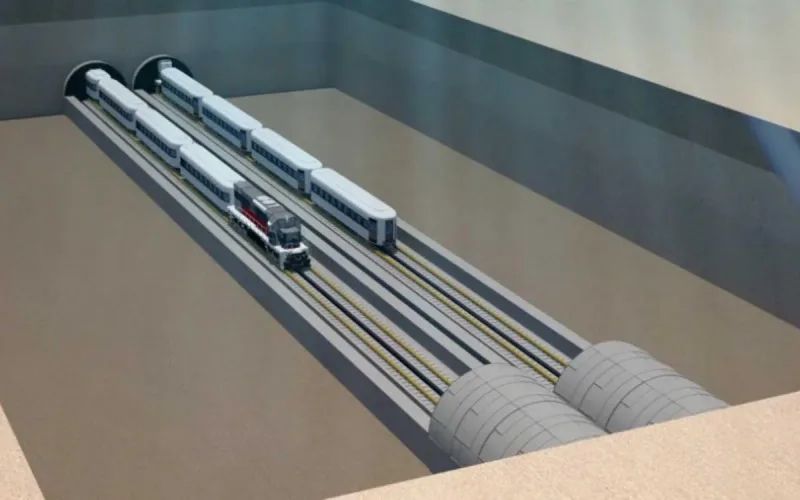
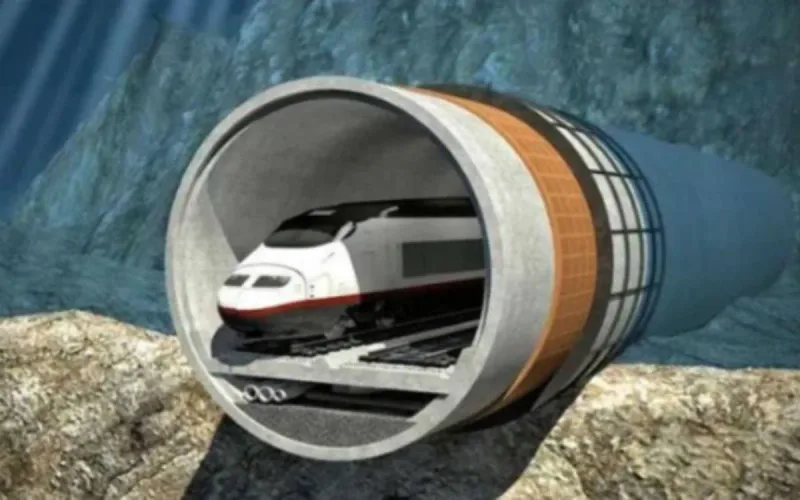
This is a historic turning point for this old sea serpent, worries The Objective. The report commissioned by the public company Secegsa from the German giant Herrenknecht is formal: despite the seismic challenges and a dizzying depth of 475 meters below sea level, the railway tunnel under the Strait is technically feasible with current technologies. But while engineering validates the "how", the Spanish economic world is suddenly questioning the "why" and, above all, the consequences.
The main concern is about the port of Algeciras, the economic lung of southern Spain. Its prosperity is currently based on the "break of bulk", this mandatory step that forces goods to stop to change mode of transport, generating immense logistical and customs added value. The tunnel could shatter this model. The fear is to see freight trains, loaded in the Moroccan free zones, heading directly to Germany or France without the slightest stop in Andalusia. The region would suffer the wear and tear of its infrastructure without reaping the fruits of transit.
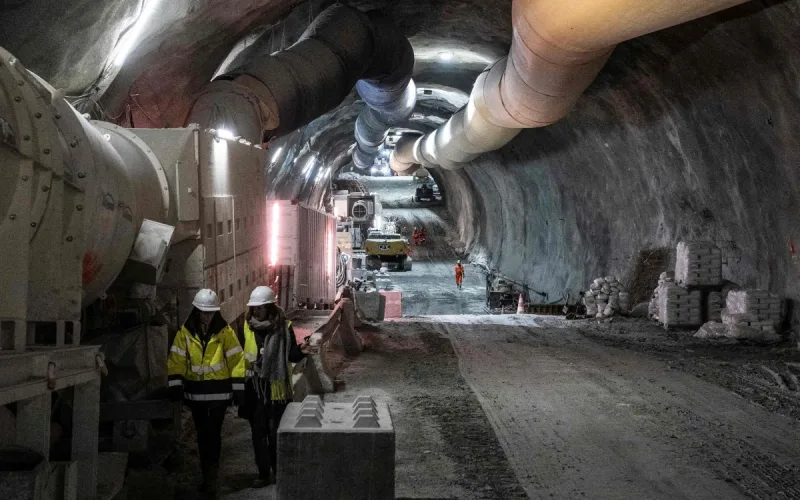
This prospect is all the more frightening as Morocco is emerging as a formidable competitor. The Kingdom is already breaking export records of citrus fruits to Germany and its automotive industry in Tangier, boosted by the electric vehicle, is running at full speed. With the tunnel, Moroccan products would gain the absolute weapon they sometimes lacked against Spanish production: speed of delivery. While a reconnaissance gallery still needs to be dug over six to nine years, the debate in Spain is now shifting from geology to the economic survival of its agricultural and logistics fabric facing this new continental highway.