A train to connect Casablanca to Paris
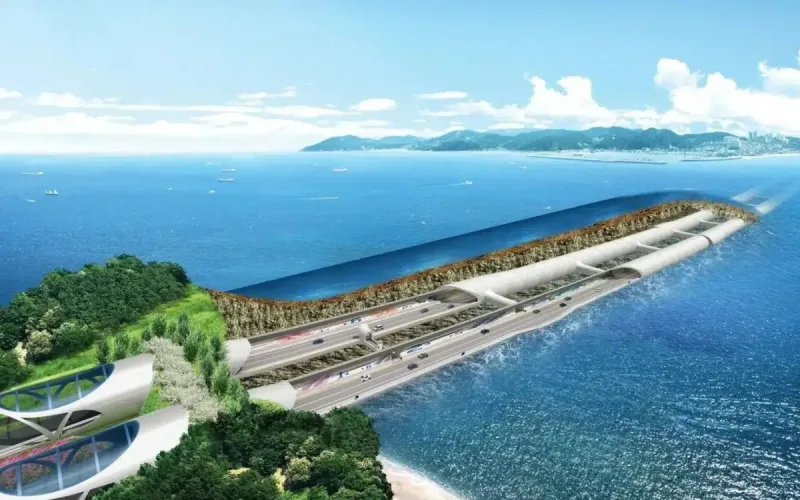
The project of a fixed link between Europe and Africa, considered for more than forty years, continues to mobilize the Spanish and Moroccan authorities. Despite the colossal technical challenges, the two countries maintain their commitment to the construction of a submarine railway tunnel crossing the Strait of Gibraltar, with a commissioning horizon now envisaged around 2040.
The history of this project dates back to the late 1970s. While bridge options were initially studied, they were quickly ruled out due to the depth, seismic activity and configuration of the site. Since then, efforts have been focused exclusively on a railway tunnel. The Spanish Society for Studies on the Fixed Communication through the Strait of Gibraltar (SECEGSA) and its Moroccan counterpart, the SNED, are leading this project, which has seen several waves of political interest.
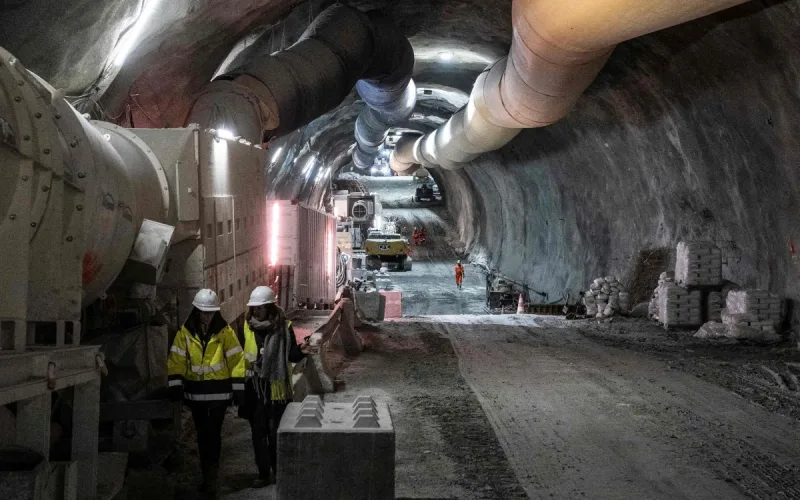
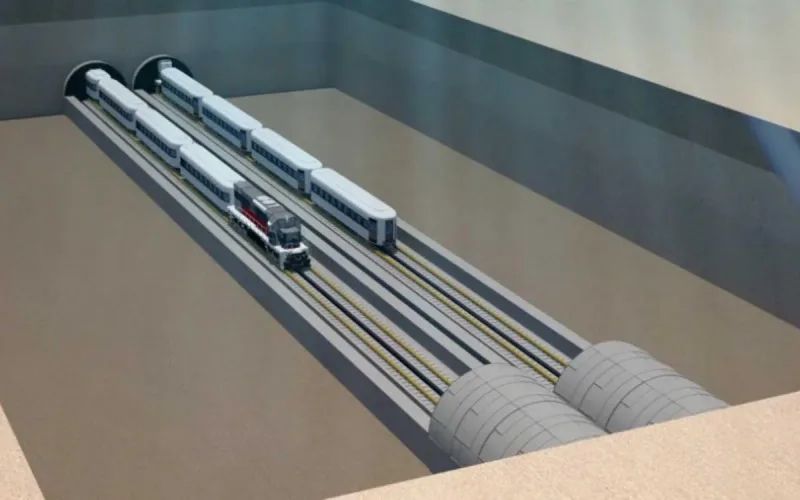
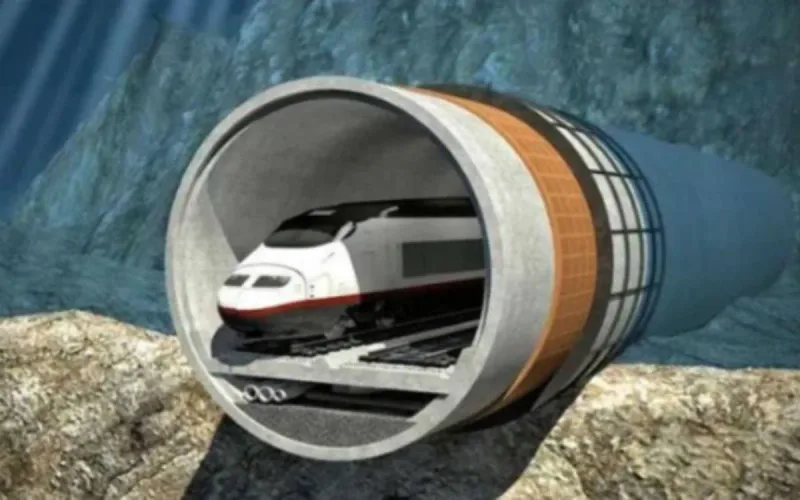
Recent studies, carried out in particular with the specialized engineering of Herrenknecht, confirm the technical feasibility of the structure despite its complexity. The preferred route would connect Punta Paloma, in Cadiz, to Punta Malabata, near Tangier, via the "Sill of the Strait", an area of lesser depth. The infrastructure would extend over about 42 kilometers, of which nearly 28 under the sea, reaching a maximum depth of 475 meters. The project provides for three tunnels: two for the circulation of high-speed trains and freight, and an intermediate service tunnel.
A final decision expected by 2027
Funding for the studies has been relaunched in recent years, with budget allocations from the Spanish state to update the preliminary project. The initial investment for the Spanish section is now estimated at around 8.5 billion euros, a figure revised downwards compared to the 15 billion previously envisaged. Part of this cost could be covered by European funds.
The provisional schedule remains cautious, however. According to government sources, the two parties have given themselves until 2027 to make a final decision on the launch of the construction site, based on the latest studies. If the green light is given, the preliminary work, including a 6 to 9 year reconnaissance gallery, could begin in 2030. The ultimate goal is to directly connect the rail networks, allowing passengers and goods to travel without interruption between cities like Madrid, Paris, Rabat and Casablanca.