The Crisis with Morocco Sends Three Spanish Ministers Before the Constitutional Court
The Ceuta crisis has triggered a new institutional conflict in Spain. The Senate is preparing to bring a case before the Constitutional Court against three ministers in Pedro Sánchez’s government, accused by the PP of refusing to appear before the upper chamber to explain themselves.
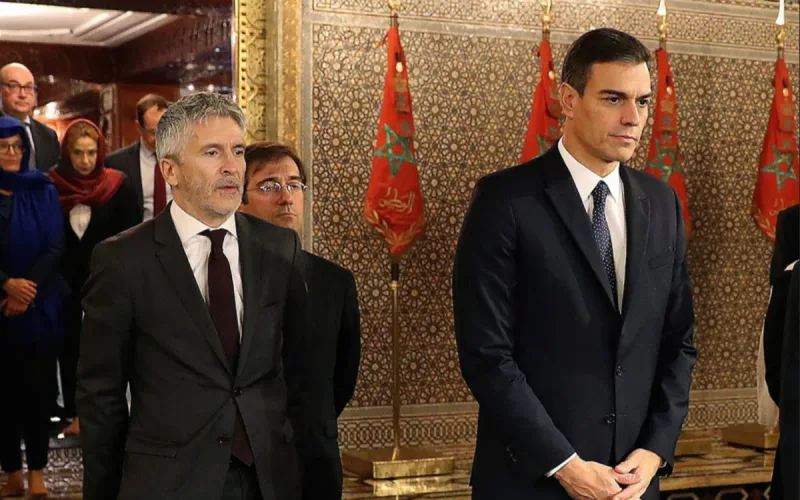
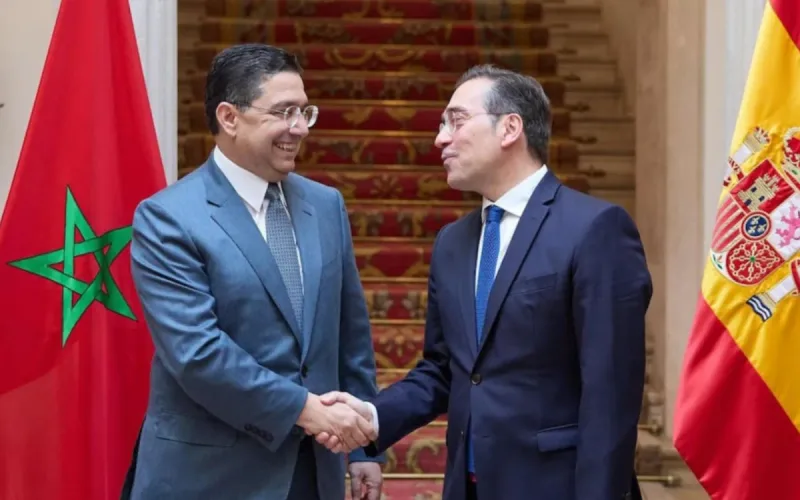
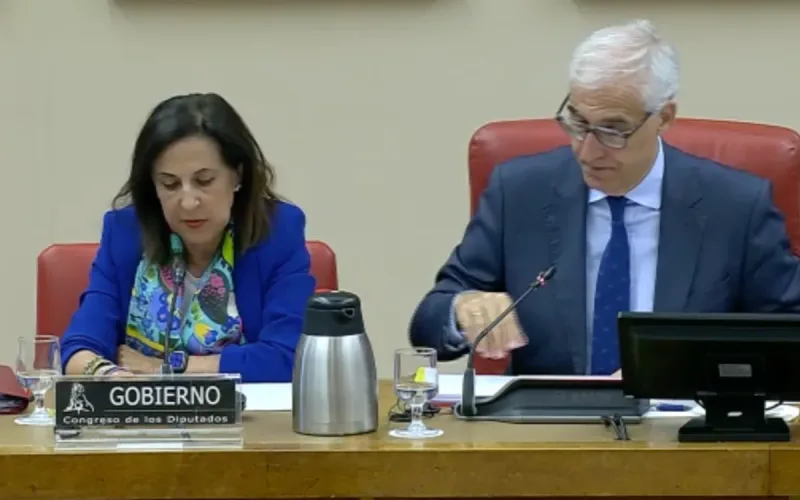
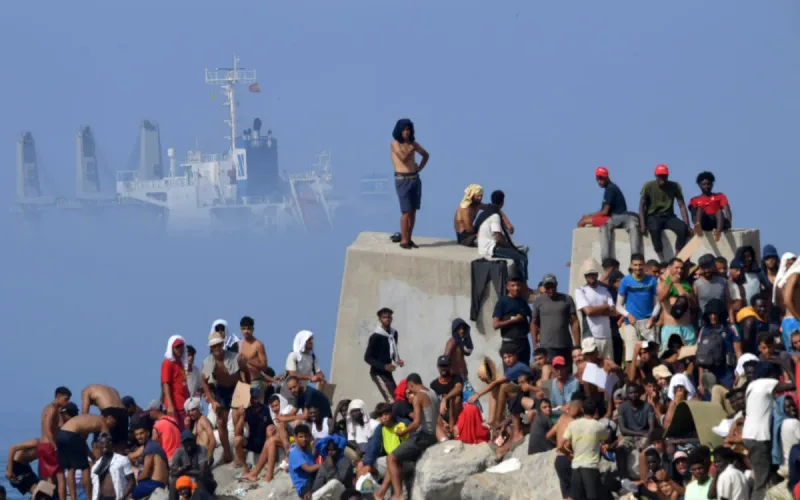
Fernando Grande-Marlaska, Minister of the Interior, Margarita Robles, Minister of Defence, and José Manuel Albares, Minister of Foreign Affairs, had been summoned in August before three Senate committees to answer for the management of the mass crossings on 30 and 31 July in Ceuta.
The PP, which holds a majority in the Senate, believes that their absence constitutes a refusal to submit to parliamentary oversight. The conflict of powers is to be brought before Parliament on Wednesday, 9 September, before being referred to the Constitutional Court, reports El Español.
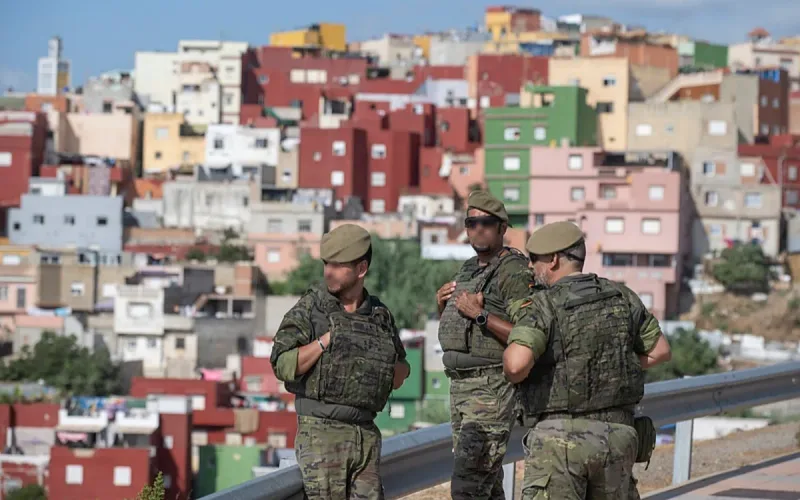
The summonses are duly recorded in the Senate’s official documents. Marlaska was notably expected to respond on the Interior Ministry’s actions and the measures taken after the arrivals from Morocco. Albares was to explain Spanish foreign policy in response to the crisis, while Robles was expected to address the deployment of the armed forces.
On Bladi.net : Ceuta: after the crisis with Morocco, Sánchez calls in the army, intelligence services and his ministers
The government had requested the cancellation of the extraordinary sessions scheduled for August. Marlaska and Albares had prioritised their appearances before Congress. Robles had initially agreed to go to the Senate on a new date, 18 August, before that appointment was ultimately abandoned, according to the Spanish daily.
The PP invokes a constitutional obligation
The PP bases its offensive on Article 110 of the Spanish Constitution and the Senate’s rules, which allow the chambers and their committees to demand the presence of government members. For Popular Party spokesperson Alicia García, these summonses were not merely an invitation.
The case comes as Madrid is still struggling to present a unified account of the events in Ceuta. Margarita Robles assured that the intelligence services had issued warnings before the crisis, while Marlaska had initially stated that no prior report existed. The CNI had nevertheless reported a mobilisation near the border as early as 29 July.
On Bladi.net : 72,000 crossings into Sebta: Spanish police accuse Morocco of organizing everything
The debate intensified further after a National Police report attributing an active role to Moroccan agents during the crossings was sent to the judicial authorities. Pedro Sánchez has since acknowledged that Moroccan forces had allowed people to cross the border for approximately ten hours, while refusing to accuse Rabat of organising the operation.
The PP is also preparing several motions of censure targeting Marlaska, Robles and Albares in particular for their handling of the crisis. The Ceuta issue is therefore no longer being played out solely between Madrid and Rabat: it is now opening a new front between the Spanish government, the Senate and the Constitutional Court.