Spain Is Holding Back Olive Oil Stocks While Imports from Morocco Surge
Calls to limit olive oil imports from Morocco and Tunisia have sparked a new debate in Spain. The main federation of agricultural cooperatives is reminding people of the EU rules and calling for more checks on foreign oils, as Madrid seeks to support prices for its own production.
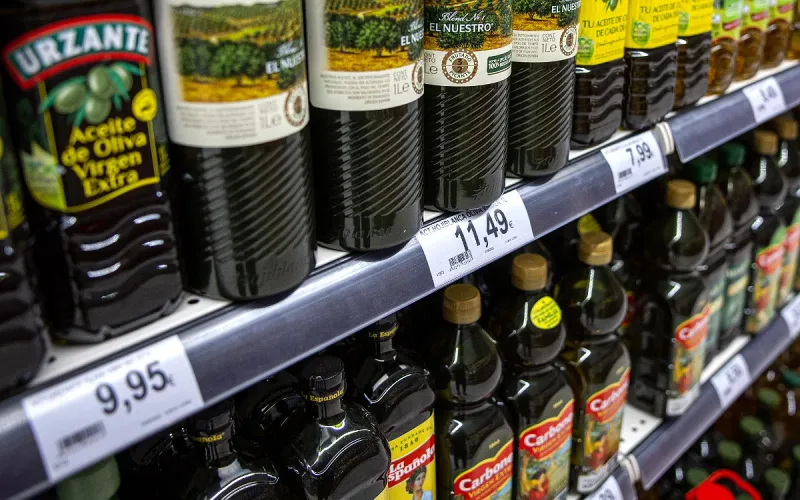
The controversy over Moroccan olive oil has flared up again in Spain. Several industry professionals are calling for restrictions on imports from Morocco and Tunisia, while Spanish olive mills are being forced to store part of their production. In a statement published on Wednesday, November 18, Cooperativas Agro-alimentarias de España points out that trade policy and customs duties are the responsibility of the European Union.
On Bladi.net : Spain Orders 188,000 Tonnes of Olive Oil Held Back as Moroccan Imports Continue
The federation backs the scheme introduced by Madrid to stem the fall in olive oil prices. Since November 6, Spanish mills have had to set aside 12% of their declared production from November onward, amounting to an estimated 188,000 tonnes for the 2026-2027 season. These volumes will remain in storage until September 30, 2027.
According to the cooperatives, the intervention is beginning to affect the markets. Between November 9 and 15, producer prices rose by 1.34% for extra virgin olive oil, 2.65% for virgin olive oil and 1.49% for lampante olive oil, according to PoolRed data. The federation attributes this reversal to the temporary reduction in volumes being sold.
Moroccan olive oil at the heart of demands
The debate has taken on particular significance amid a sharp increase in Spanish purchases from Morocco. Between January and July 2026, Spain imported 22,652 tonnes of Moroccan olive oil, compared with 397 tonnes over the same period in 2025. Tunisia remains a larger supplier, delivering around 70,100 tonnes in the first seven months of the year.
Some Spanish producers accuse bottling companies of continuing to buy foreign oil while domestic mills are required to hold back their stocks. The national federation points out that imports remain subject to the European Union’s common trade rules. Decisions on restricting them are made in Brussels.
On Bladi.net : Spanish Olive Oil Imports from Morocco Surge 57-Fold as Growers Blame Foreign Supply for Price Pressure
The cooperatives now want to tighten the requirements for imported oils. They are calling for stricter traceability, greater transparency about origin and production conditions equivalent to those imposed on European farmers.
The organization is also asking the European Commission to abolish the inward processing regime in the olive oil sector. It wants Brussels to give greater consideration to the interests of European producers when negotiating trade agreements and granting customs advantages to supplier countries.