Spain Orders 188,000 Tonnes of Olive Oil Held Back as Moroccan Imports Continue
The Spanish government is ordering the temporary withdrawal of 12% of the country’s olive oil production, or around 188,000 tonnes. The decision has angered Spanish producers, while imports from Morocco and Tunisia remain permitted.
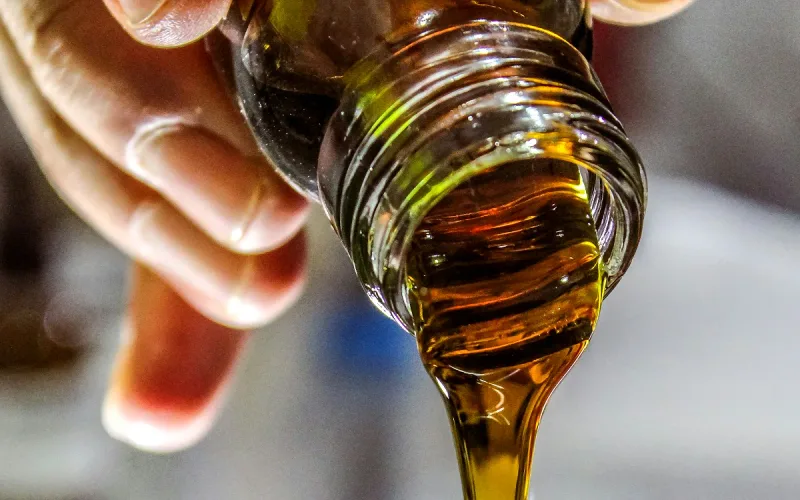
Spanish olive oil mills must now hold back 12% of their production until September 30, 2027. The measure, made official on November 6 by the Spanish Ministry of Agriculture, applies to quantities produced from November onward; October production is excluded. Each mill must keep the affected oil at its own facilities or with a storage provider.
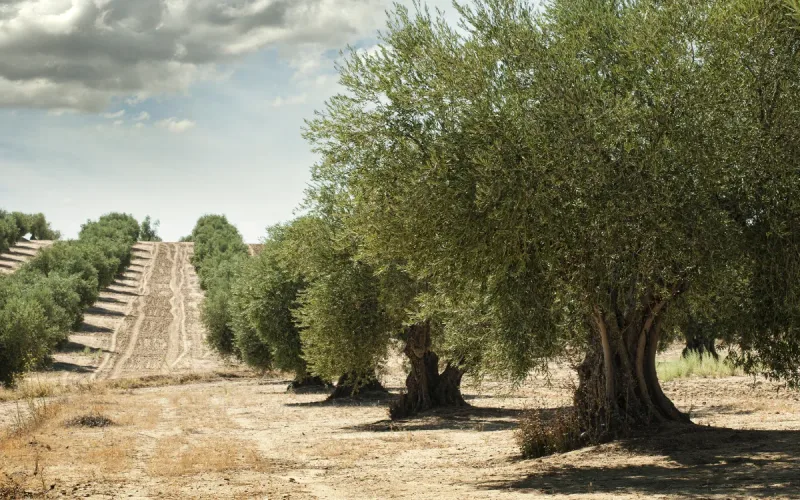
Madrid aims to support prices in the face of a particularly abundant harvest. Spain’s production is expected to reach 1.6 million tonnes in the 2026-2027 season, up 23% year on year. This volume comes on top of 357 040 tonnes carried over from the previous season.
Moroccan imports in farmers’ sights
The move has angered Víctor Viciedo, president of the Association of Independent Farmers, who was interviewed on November 9 by Castillón Confidencial. The agricultural leader denounces a situation in which Spanish producers are forced to store some of their oil while bottling companies can continue sourcing supplies from Morocco.
His criticism comes after a sharp increase in Spanish purchases of Moroccan oil. Between January and July 2026, Spain imported 22 652 tonnes, compared with just 397 tonnes a year earlier, according to Spanish customs data. Tunisia remains a larger supplier, however, with some 70 100 tonnes delivered over the same period.
On Bladi.net : Spanish Olive Oil Imports from Morocco Surge 57-Fold as Growers Blame Foreign Supply for Price Pressure
For Víctor Viciedo, the problem is also financial. He says producers receive no public compensation for the oil being held back. He is especially concerned that processors will turn to Moroccan and Tunisian suppliers for the long term during this period, leaving Spanish olive growers without commercial outlets even after the stored oil is put back on the market.
The agricultural leader is calling for trade safeguard measures to be activated and for the inward processing regime to be suspended, a system used in particular to import Tunisian oil for re-export. He believes mandatory storage risks pushing the difficulties into the next season if the coming harvest is also abundant.
The Spanish government plans to review the measure for the first time from December 31, 2026, with the possibility of adjusting the quantities held back depending on how production develops.