Canary Islands’ imports from Morocco jump 115% as olive oil overtakes seafood
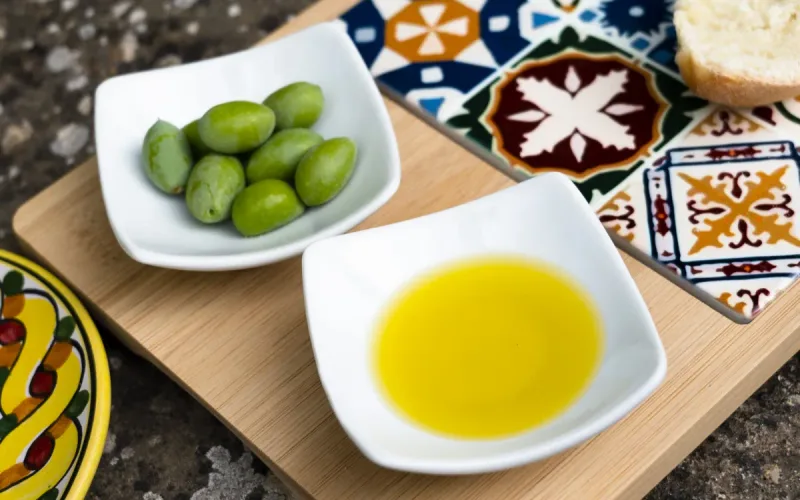
In eight months, the Canary Islands imported €52.7 million worth of goods from Morocco, more than in any of the previous ten full years. Behind the surge, oils and fats—mainly olive oil—have overtaken seafood as the archipelago’s leading imports in 2026.
Between January and August 2026, the value of the Canary Islands’ purchases from Morocco rose 115.3% compared with the same period in 2025. Oils and fats alone accounted for €34.1 million, or nearly 65% of the total, according to Spanish customs data cited by the Canarian press.
This category, driven largely by olive oil, saw its value multiply 27-fold in one year. For all of 2025, the Canary Islands had imported just €2.8 million worth of Moroccan oils and fats. The first eight months of 2026 have already exceeded that amount more than twelvefold.
This growth is part of a broader increase in Moroccan olive oil sales to Spain. According to DataComex figures, they reached nearly €58 million in the first half of 2026, compared with €641,000 a year earlier.
Moroccan seafood loses its top spot
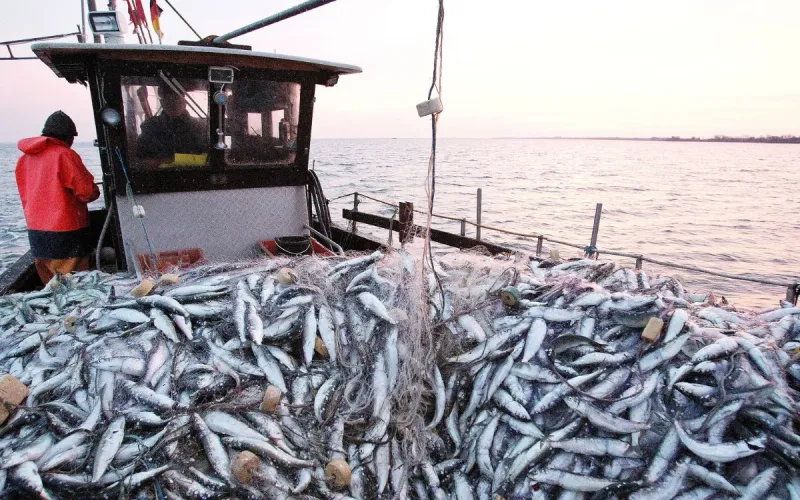
Until 2025, fish, crustaceans and molluscs were the Canary Islands’ largest import category from Morocco. Their value fell 39% in the first eight months of 2026, to €6.8 million. Aluminium and aluminium products rose 14%, to €6.3 million, while fruit fell 26%, to €2.5 million.
The surge in oils and fats therefore masks a decline in the rest of the imports. Excluding this category, the Canary Islands’ imports from Morocco total €18.6 million, about 20% less than a year earlier.
On Bladi.net : Morocco Olive Oil Exports Spain Surge 10000 Percent
In the other direction, the Canary Islands’ exports to Morocco fell 5.3%, to €8.4 million. The archipelago’s trade deficit reached €44.3 million over the period: for every €100 worth of goods purchased from Morocco, Canarian businesses export only €16 to the kingdom.
This surge is not a historic record: the Canary Islands’ purchases from Morocco were higher in the full years 2013 and 2014. But the total reached by August 2026 exceeds that of each of the previous ten years.