Vox Seeks EU Action as Moroccan Olive Oil Imports Soar 57-Fold
Spain’s Vox party says a petition on Moroccan olive oil imports will be fast-tracked for review by the European Parliament. It is calling for tighter border checks and safeguard measures for Spanish olive growers. A debate is scheduled for January 2027.
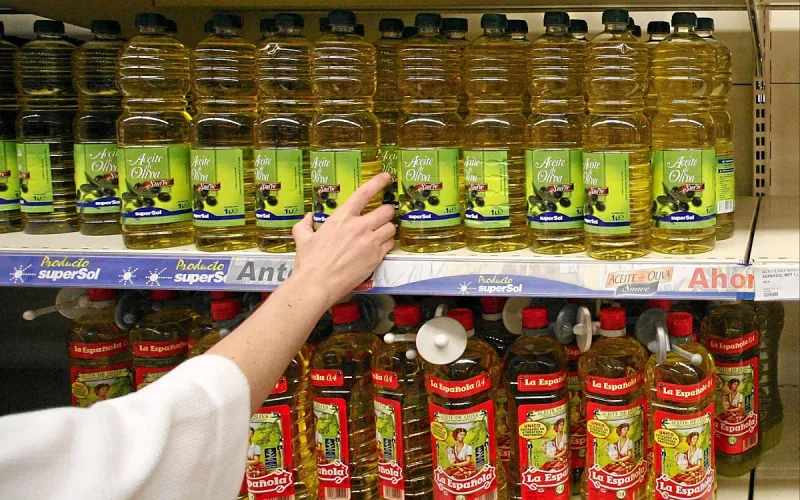
Opposition to Moroccan olive oil imports is gaining ground in European institutions. Francisco José Alcaraz, Vox’s candidate for the Congress of Deputies in the province of Jaén, announced on Monday, November 9, that the European Parliament’s Committee on Petitions would examine the case as a matter of urgency, the EFE news agency reports. He said Spanish producers were facing unfair competition from Moroccan suppliers.
On Bladi.net : Spain Orders 188,000 Tonnes of Olive Oil Held Back as Moroccan Imports Continue
The far-right party is asking the European Commission for tighter border checks, precise traceability of the origin of imported oils and testing for pesticide residues. Vox is also calling for an assessment of prices and production costs, with the possibility of activating the safeguard clauses provided for in trade agreements.
Alcaraz accuses EU rules of putting Jaén’s farmers at a disadvantage, saying they face higher-cost requirements than their Moroccan competitors. His criticism follows a sharp rise in Spanish purchases of Moroccan olive oil: 22,652 tonnes between January and July 2026, compared with 397 tonnes a year earlier, according to Spanish customs data.
Health requirements already apply equally to imports
The party’s accusations concern both farming costs and product inspections. The European Commission says imported food must meet the same maximum pesticide residue limits as food produced in the Union. Differences in regulations governing production methods remain at the center of the trade debate.
On Bladi.net : Moroccan Olive Oil Controversy Spain Deoleo Carbonell
The debate is scheduled for January 2027, according to the Spanish daily Diario Jaén, which first reported the initiative on November 5. It is expected to address calls for inspections, import traceability and the possible activation of trade protection mechanisms.