Royal Air Maroc: Morocco’s Bold Plan to Challenge European Aviation Hubs
Royal Air Maroc is deploying an aggressive strategy to quadruple its fleet and transform Casablanca into an international hub. The goal is to rival Madrid for transatlantic traffic to the Americas by 2037, backed by the horizon of the 2030 World Cup.
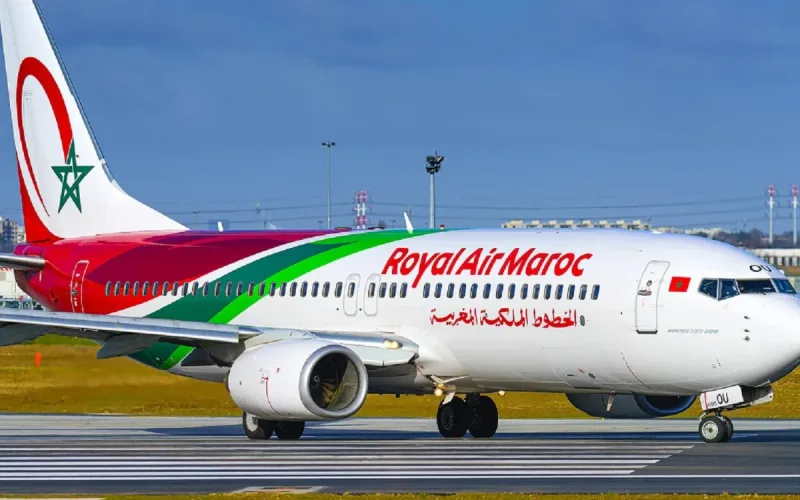
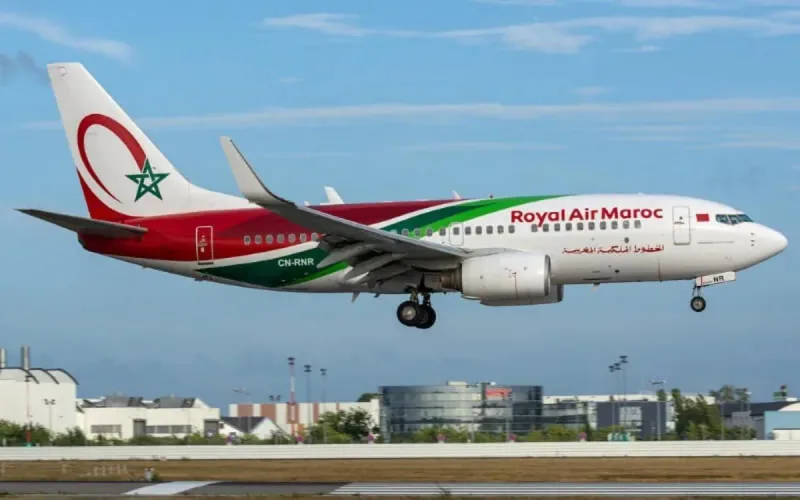
Morocco’s national airline has drawn up an ambitious roadmap aimed at operating 200 aircraft over the next decade, compared with around sixty today. Leveraging the visibility of the 2030 World Cup, the carrier hopes to serve 150 destinations worldwide. The plan includes a €1.4 billion investment to double the capacity of Casablanca’s Mohammed V Airport, positioning it as a major gateway between Europe, Africa and the Americas, ABC.es reports.
On Bladi.net : Royal Air Maroc: a new Boeing 787 Dreamliner arrives to strengthen the long-haul fleet
The airline’s vice president, Amine El Farissi, emphasizes the kingdom’s strategic position at the crossroads of continents. “We are between the north and the south, but also between the east and the west,” he explains, describing Casablanca as a “natural hub.” This location should make it possible to connect international traffic more smoothly and logically than the traditional platforms of the Old Continent.
On Bladi.net : Royal Air Maroc expands Spain routes from Tangier, Tetouan and Nador
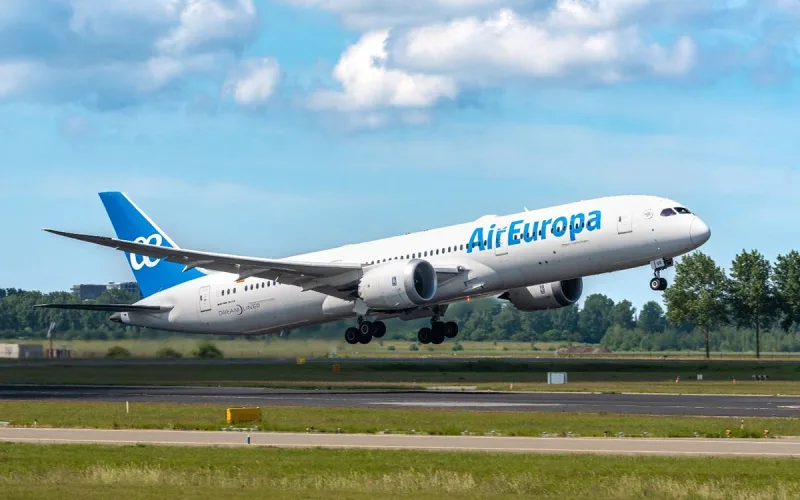
The offensive is focused particularly on the transatlantic market, where Royal Air Maroc intends to compete directly with players such as Iberia and Air Europa. After strengthening its routes to New York and Miami, the carrier will launch a route to Los Angeles next June and is considering openings to Boston and Toronto. In Latin America, the airline plans to increase the frequency of its flights to Sao Paulo, affirming its determination to capture travelers connecting the two hemispheres.
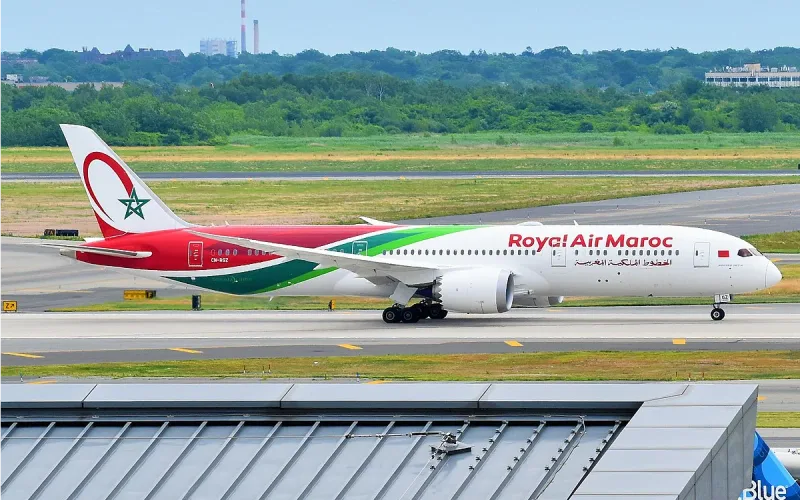
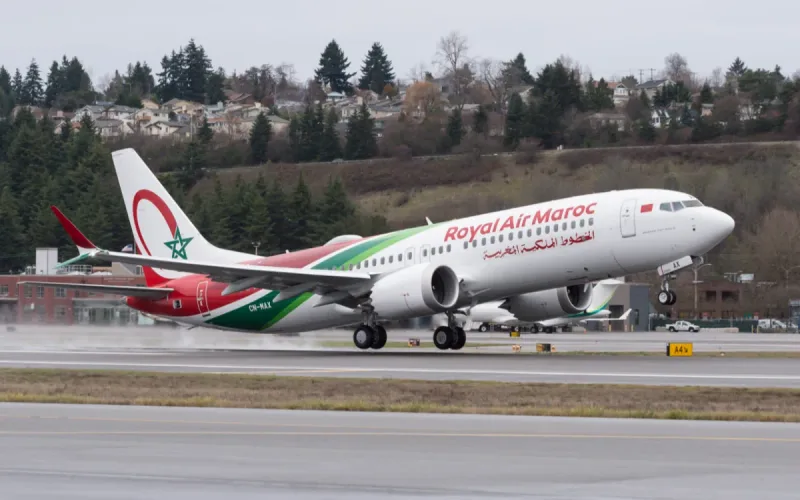
The success of this expansion rests on a key competitive advantage: an operating cost structure significantly lower than that of its Spanish or French rivals. This pricing flexibility, combined with fleet modernization involving Boeing 787 Dreamliner and 737 MAX aircraft, aims to attract 32 million passengers annually. For Morocco, the stakes go beyond aviation: the objective is to transform its national economy into a leading global logistics hub.