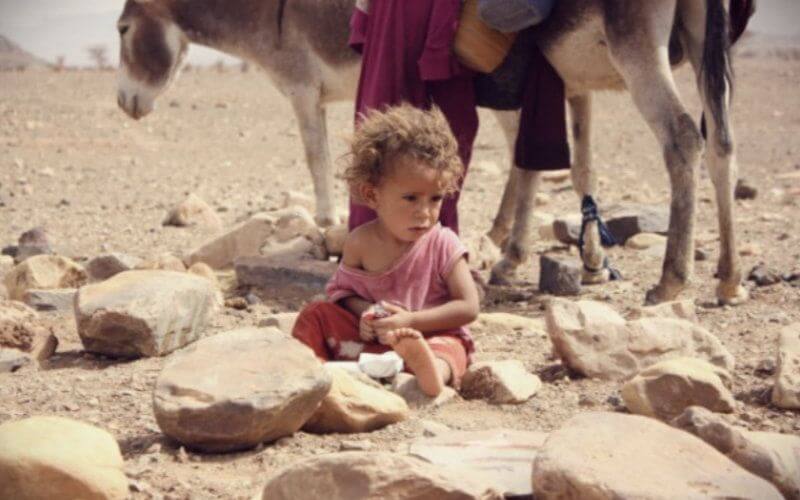
Morocco
Morocco Reduces Malnutrition Rate to 3.7%, FAO Praises Progress
Morocco’s efforts to reduce and eliminate malnutrition are recognized by Florence Roll, representative of the United Nations Food and Agriculture Organization (FAO) in Morocco.

Morocco’s efforts to reduce and eliminate malnutrition are recognized by Florence Roll, representative of the United Nations Food and Agriculture Organization (FAO) in Morocco.
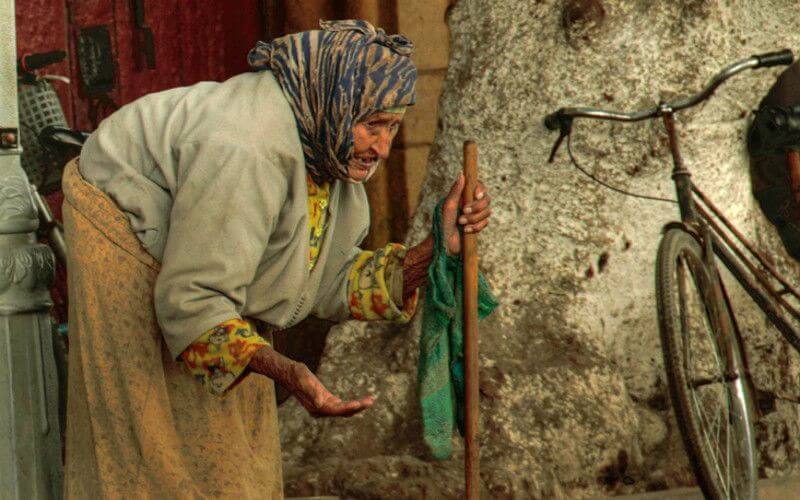
The World Bank looked, in a monitoring report published on Tuesday, October 9, at the economic situation in Morocco and the challenges to be met, in particular those related to the prevailing poverty.
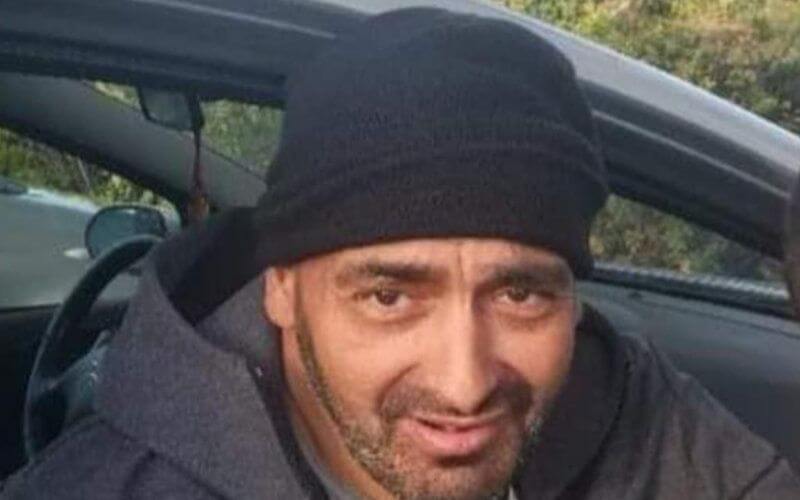
Mohamed, 51, is a homeless man in Sartrouville (Yvelines) living in a car in the shopping center parking lot. Thanks to an outpouring of solidarity, he hopes to have a future again.
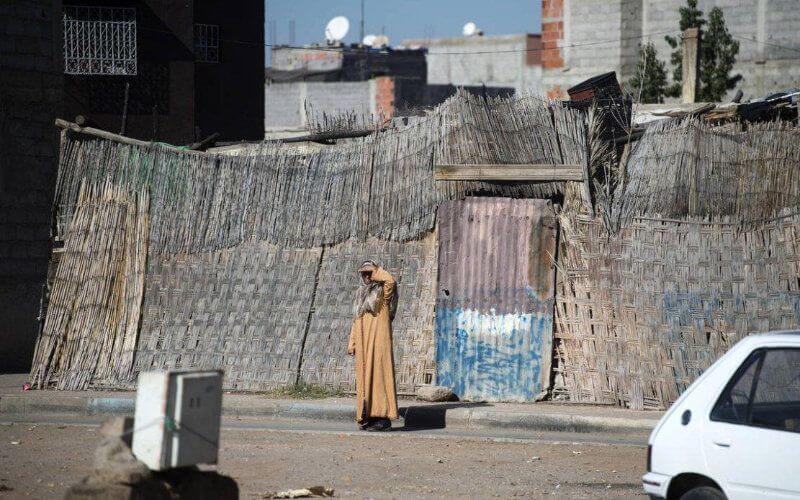
As part of the call for projects, "Support for youth in precarious situations", the youth projects launched on September 3 in Rabat will benefit from the support of the French Embassy in Morocco.
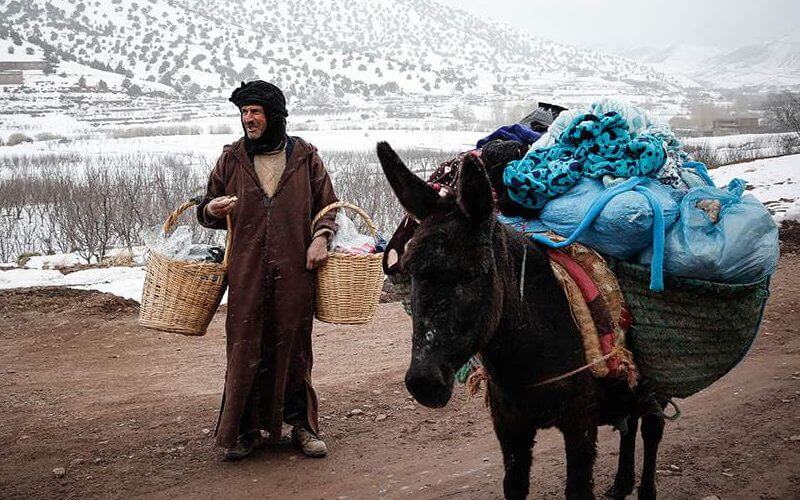
The 2019 Social Progress Index ranked Morocco 82nd out of a list of 149 countries. The Kingdom thus loses 7 places.
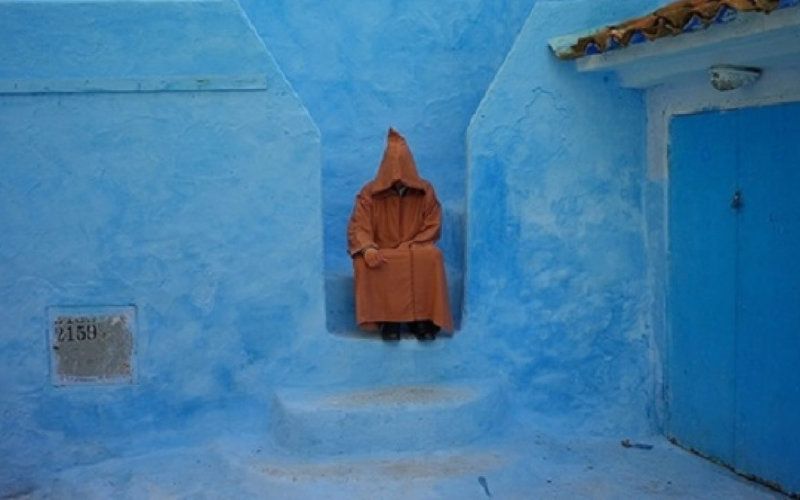
An octogenarian committed suicide in Douar Tifraouen, in the province of Chefchaouen. With this latest case, the number of suicides is 26 in this region of northern Morocco.
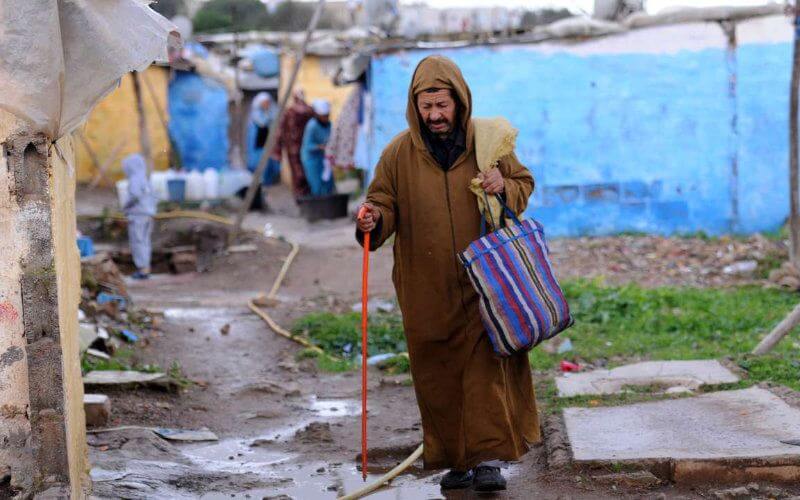
The Fez-Meknes region needs a total envelope of 6.83 billion dirhams to reduce territorial and social disparities in the rural world. 4 billion dirhams of this fund will be used to build rural roads and tracks.
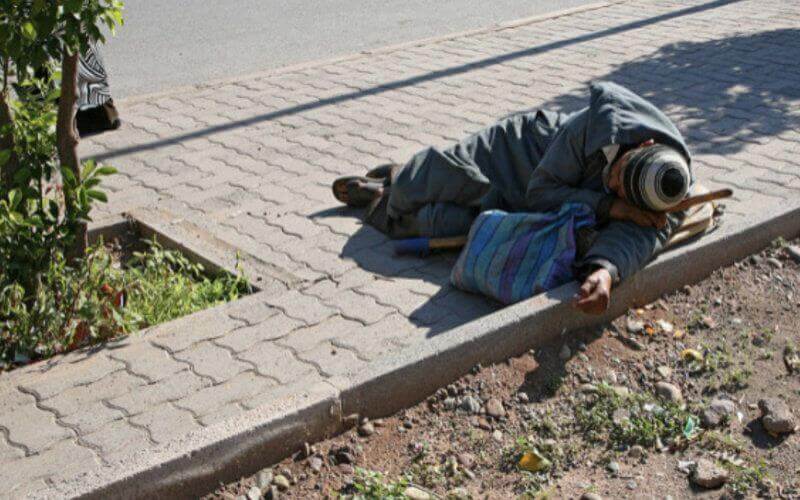
Begging is a phenomenon that has taken on an alarming dimension on the streets of Morocco. The number of beggars in Morocco places the country at the forefront of Arab countries in this matter and raises questions about the origins and ramifications of this societal phenomenon.
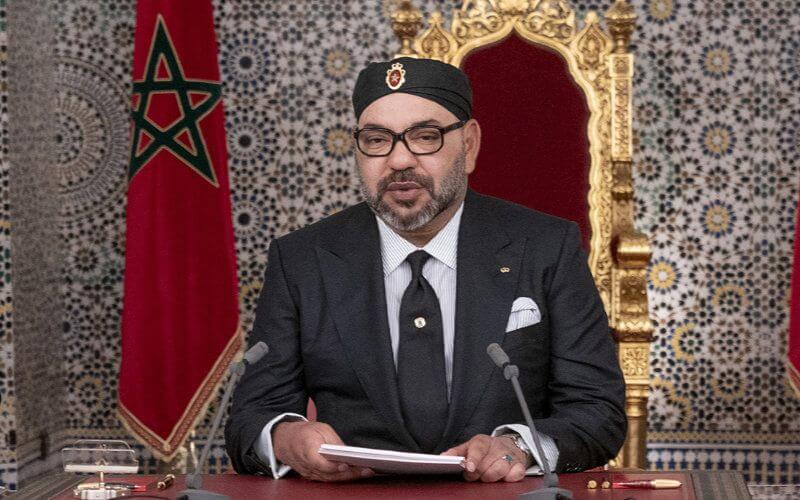
In his message to the nation, King Mohammed VI confided to his people his bitterness at seeing them continue to "live in precariousness and material deprivation".
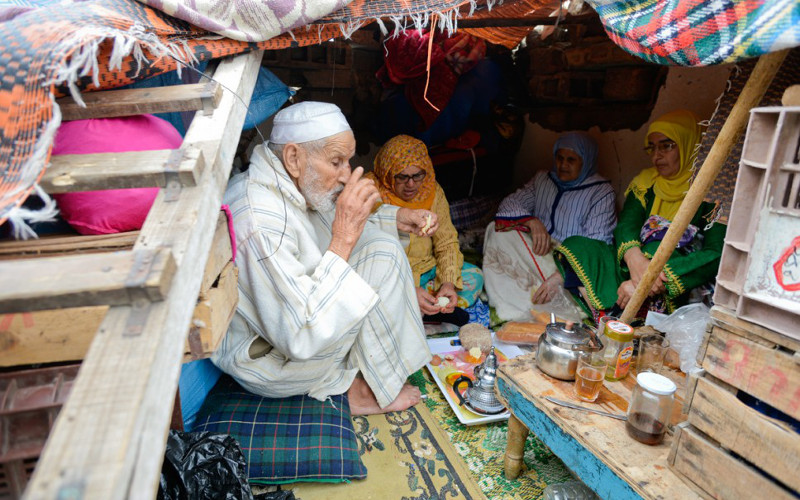
The International Monetary Fund (IMF) Woods once again calls on Morocco to "move towards a more inclusive growth model", to "reduce inequalities" and to "protect the most vulnerable".
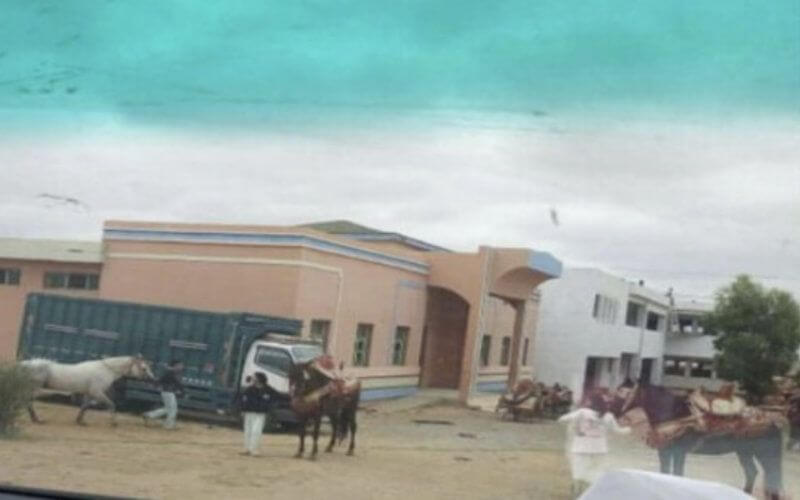
Horses in a school yard, as well as sorbas (teams or troupes of tbourida) transported in school buses, this is what could be seen in Khat Azakan, near Safi. Associations have protested against all this.
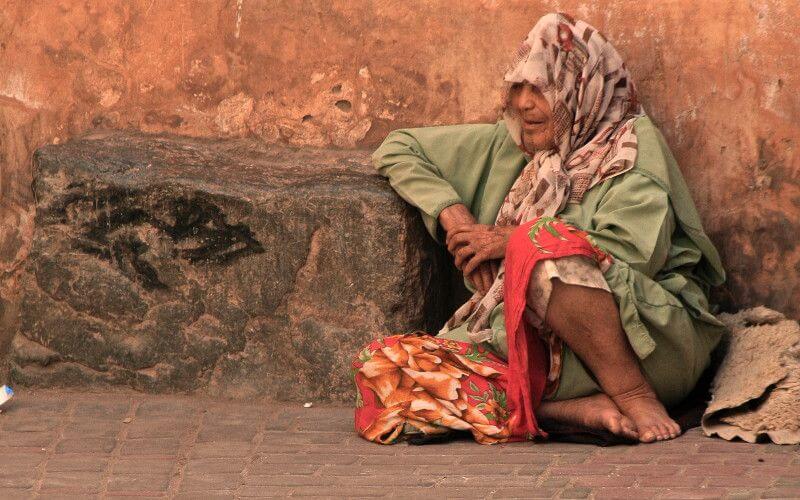
Beggars of all kinds are invading Moroccan streets and arteries, and this phenomenon has been taking on alarming dimensions for some time now.