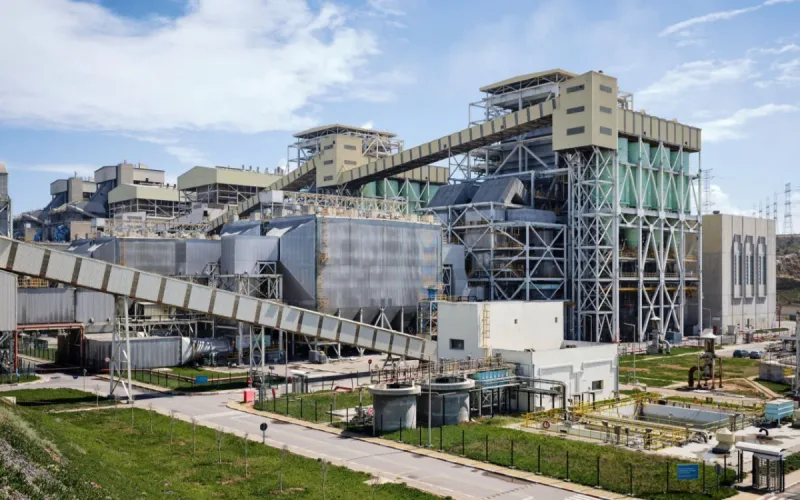
Despite Solar and Wind Power, No Arab Country Consumes as Much Coal as Morocco
Morocco remains the leading Arab consumer of coal. Its consumption increased again in 2025, despite the rise in the Kingdom’s investments in solar and wind energy .
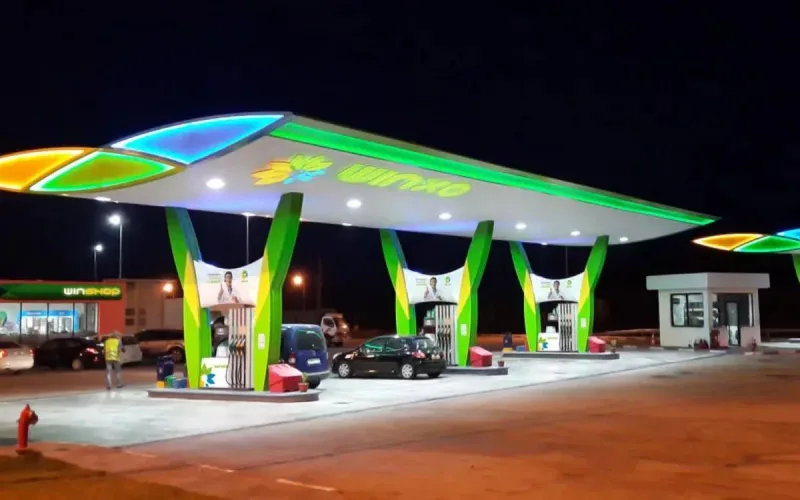
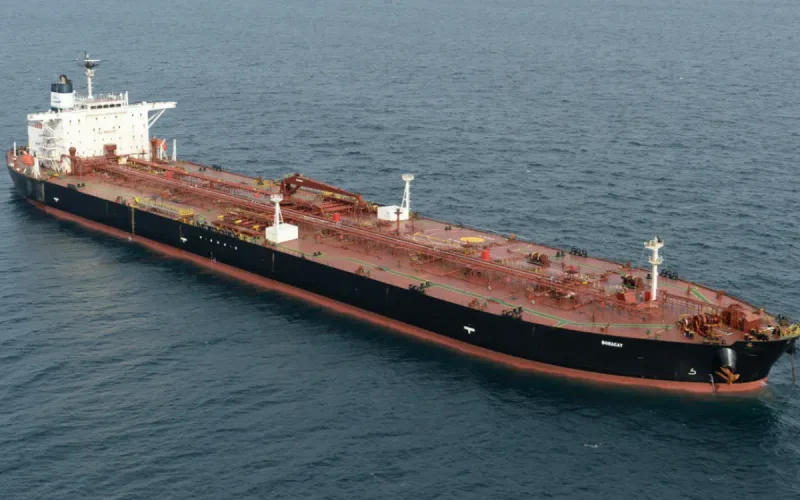
Morocco remains the leading Arab consumer of coal. Its consumption increased again in 2025, despite the rise in the Kingdom’s investments in solar and wind energy .
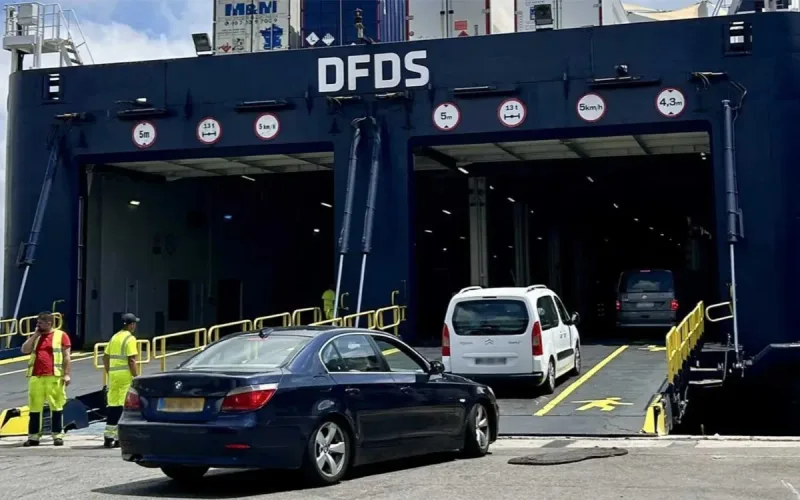
Diesel and petrol prices rose by one dirham per litre in Morocco overnight from Sunday to Monday. A significant increase for motorists, but less severe than the two- to three-dirham increases that were initially feared.

Russia, one of the world’s oil giants, has brought in 30,000 tonnes of gasoline from Tangier. Ukrainian strikes on its refineries are causing shortages and forcing Moscow to seek fuel abroad.

The rise in energy bills is expected to widen Morocco’s external deficit in 2026. However, remittances sent by Moroccan expatriates, along with tourism revenues, will help absorb part of the shock.

Fuel prices continue to fall in Morocco. Since Wednesday, July 1st, diesel has dropped by 96 cents per liter and gasoline by 45 cents. A real breath of fresh air for Moroccan motorists and professionals.

Morocco maintains a relatively solid position in Coface’s new risk mapping. But behind this stability, the June 2026 barometer points to a less-discussed fragility: the Kingdom’s exposure to global energy shocks.

Moroccan motorists can breathe easy. From early July, fuel prices should register a new drop at the pump . This relief follows the decline in global oil prices and reduced import costs.

Oil falling below 80 dollars could soon translate into lower prices at the pump in Morocco . New reductions are expected by the end of the month.

From Monday, June 1st at 00:01, the price of diesel per liter should drop by around fifty cents at petrol stations across the Kingdom. The price of petrol, however, remains completely unchanged.

Pump prices should fall from next week in Morocco. This decline, expected just after the Eid al-Adha holidays , stems directly from the fall in global oil prices linked to recent geopolitical developments.

The Moroccan government is preparing to inject 20 billion additional dirhams into its 2026 budget. This envelope aims to shield the domestic market from the repercussions of the Middle East conflict and finance emergency climate measures.

Facing the blockade of the Strait of Hormuz by Iran, Morocco spends 3 billion dirhams each month to subsidize energy. The government is striving to contain the impact of this crisis on public finances.