
After Nadorcott, a new Moroccan mandarin is protected in Europe until 2056
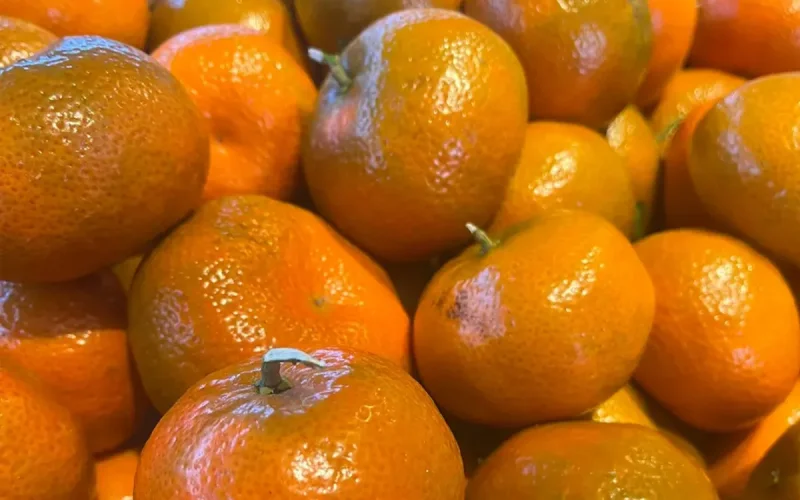
SweetCott, a new mandarin developed in Morocco, has obtained definitive plant variety protection in the European Union. Granted on September 7, the title will remain valid until December 31, 2056, and will regulate its production and marketing on the European market.
The Community Plant Variety Office granted this protection to NadorCott Protection, the entity that already manages the rights to the famous Nadorcott. The decision was reported on Friday, September 18, by FreshPlaza.
This is not a geographical indication protecting the Moroccan origin of the fruit, but an intellectual property right covering a new plant variety. During the protection period, the propagation and marketing of plants in the European Union will require the authorization of the rights holder.
The decision comes more than thirty years after the launch of Nadorcott, which has become one of the most profitable mandarins for Morocco. SweetCott must now complement this range by targeting an even later period of the citrus season.
On Bladi.net : Tomatoes and mandarins drive Moroccan agricultural exports to 2.38 million tonnes
Before granting the definitive title, the European body had the variety examined over several complete growing cycles by a technical unit attached to the Valencian Institute of Agricultural Research in Spain. The trials were intended to verify three essential criteria: the variety’s distinctness, its uniformity and the stability of its characteristics over successive generations.
A Moroccan mandarin designed to arrive later
SweetCott stands out primarily for its late maturity. Les Domaines markets it from February to May, a period during which the global supply of easy-to-peel mandarins begins to decline.
This window should enable Morocco to extend its season beyond traditional varieties. SweetCott also produces medium- to large-sized fruit, with thin, easy-to-remove skin. Its sugar level can reach 16 degrees Brix and its juice content can exceed 60%, according to the variety sheet published by Les Domaines.
The fruit is almost seedless and can remain on the tree for longer. Its firmness, cold-storage life and resistance to transport were also sought in order to meet the requirements of major retailers and distant markets.
On Bladi.net : Spain Accuses Moroccan Citrus of Strangling Its Producers
European protection now gives NadorCott Protection the means to organize cultivation licenses and combat unauthorized plantings. Similar titles have already been obtained in several major producing countries or commercial markets.
The stakes therefore go beyond the creation of a new mandarin. While tomatoes and mandarins already account for nearly half of Morocco’s exported fresh fruit and vegetable volumes, SweetCott is intended to help the kingdom maintain its position in the particularly competitive late-season citrus segment.
With this variety, Morocco’s citrus industry is seeking to replicate Nadorcott’s international success while occupying a new commercial window. The protection obtained until the end of 2056 now guarantees it a European legal framework for implementing this strategy.
Related Articles
-

The dirham falls for the third consecutive week: 1,000 euros now bring in 131 more dirhams
19 September 2026
-

Hormuz Threatens Global Fertilizer Supplies: Morocco Holds an Asset That Has Become Strategic
19 September 2026
-

After investing €1 billion, French companies want their share of Morocco’s next boom
19 September 2026
-

French companies seek to turn Morocco’s mountains into year-round tourist destinations
19 September 2026
-

Rabat sends its teams to Korea to prepare for the arrival of its electric buses
18 September 2026