Spain Accuses Moroccan Citrus of Strangling Its Producers
Spanish citrus producers are sounding the alarm in Brussels. Facing what they consider unfair competition from third countries, particularly Morocco, they denounce a European policy that sacrifices their farms for the benefit of extra-community imports.
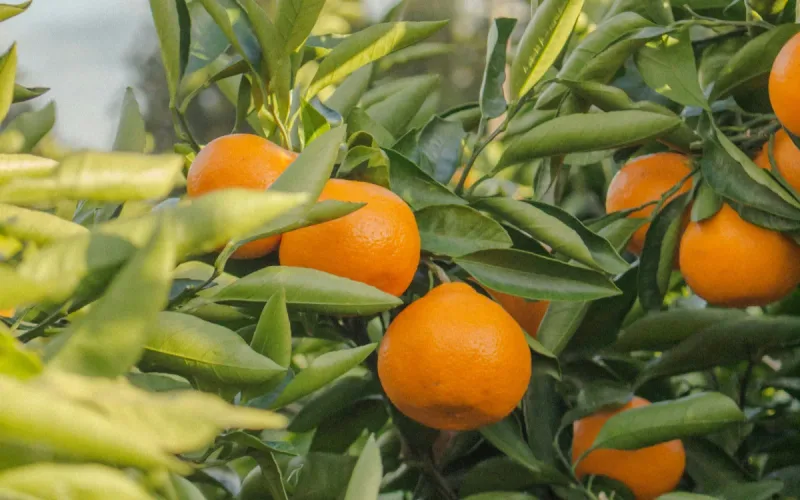
Discontent is mounting in the Iberian countryside over the explosion of citrus imports from other continents, with particular attention focused on Morocco. According to data relayed by El Debate, the agricultural union AVA-Asaja presented European institutions with a damning assessment based on a decade of trade agreements. The outlook is bleak for local producers, who are suffering a genuine hemorrhage in the face of exponential growth in foreign fruit.
On Bladi.net : Spanish farmers take aim at Moroccan tomatoes
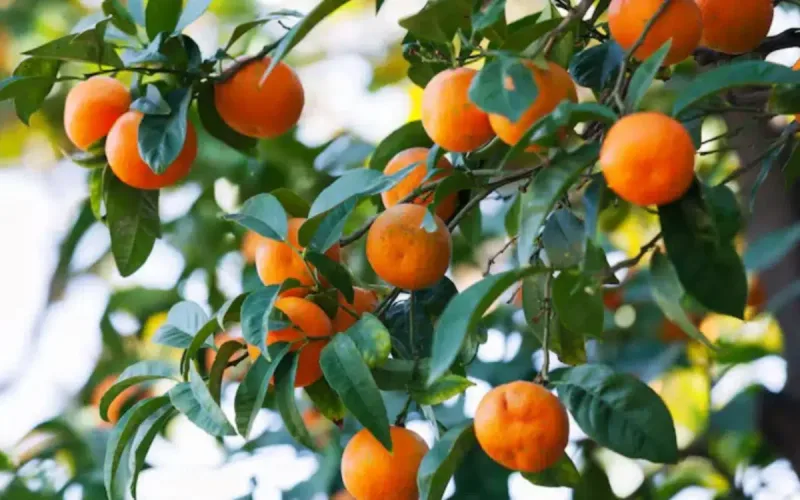
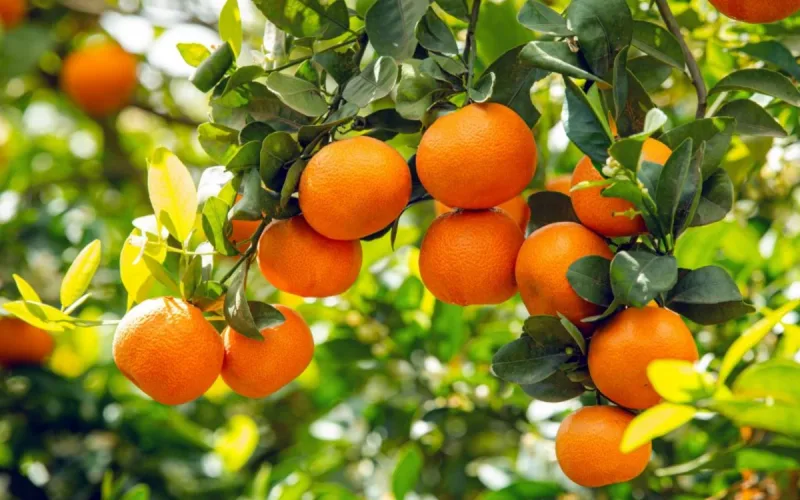
Over ten years, the share of intra-European citrus has plummeted sharply, falling from 71.1% in 2015 to 62.5% in 2025. This decline is particularly visible in the small mandarin market. Purchases from third countries have surged, driven by nations benefiting from preferential agreements such as South Africa, Egypt, Turkey, and Morocco. The kingdom has seen its sales volumes to the EU jump by 14.9% compared to 2024, fitting into a broader substitution trend that is alarming professionals.
Facing this dynamic, a sense of suffocation is gripping cultivators who denounce continuous harm. They point to the flaws of a system favoring the entry of fruit grown under phytosanitary regulations that would be unthinkable in Europe. Added to this are labor costs that are radically lower, pushing the Spanish agricultural sector to demand strict reciprocity in production conditions.
On Bladi.net : Morocco accused of "slowly killing" Spanish agriculture
Anxiety peaks with the increase in flows from Argentina, just before the Mercosur agreement takes effect. AVA-Asaja president Cristóbal Aguado openly accuses the European Union of deploying "a trade strategy designed to replace citrus produced in Europe with fruit from third countries." The union leader warns gravely: "Either the EU changes its trade policy, or the substitution of our agriculture will continue, to the detriment of producers and consumers."