Morocco Ranks Eighth in Climate Performance, but Renewables Lag
Morocco ranks eighth in a new global climate performance index published on Wednesday, November 11. International experts praise its climate policy and efforts to cut emissions, but give it a low rating for renewable energy development.
Morocco has slipped two places in the 2027 edition of the Climate Change Performance Index (CCPI), compiled by German organizations Germanwatch and NewClimate Institute. The Kingdom ranks behind the United Kingdom in seventh place and ahead of Chile in ninth. Presented at COP31 in Turkey, the index assesses the climate performance of 64 countries and the European Union.
On Bladi.net : 39.6 % in Morocco, 2.1 % in Algeria: the huge renewable energy gap
The official CCPI report gives Morocco a high rating in three categories: greenhouse gas emissions, energy use and climate policy. Renewable energy is its main weakness, receiving a rating described by the index’s authors as “low.”
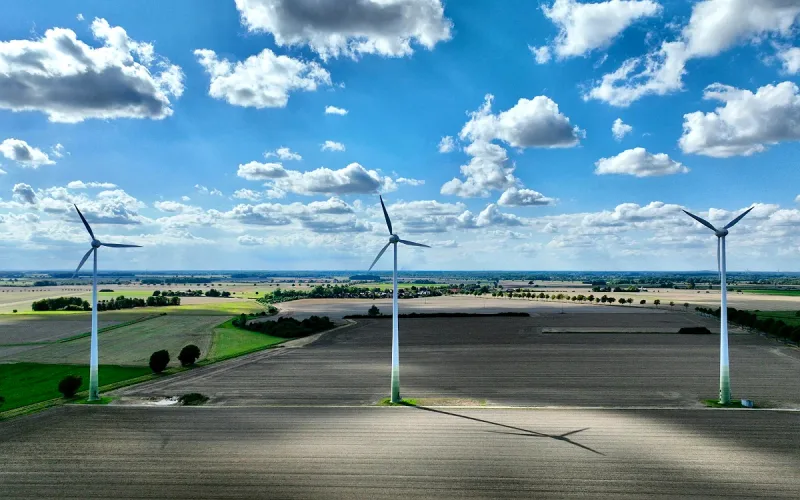
This result may come as a surprise given the investments made in solar and wind power. At the end of 2025, renewable installations accounted for 39.6% of Morocco’s electricity capacity, according to statistics from the International Renewable Energy Agency (IRENA). However, the CCPI examines their contribution to the overall energy supply, which also includes fuels used in transport and other fuels.
Fossil fuels remain a major part of the mix
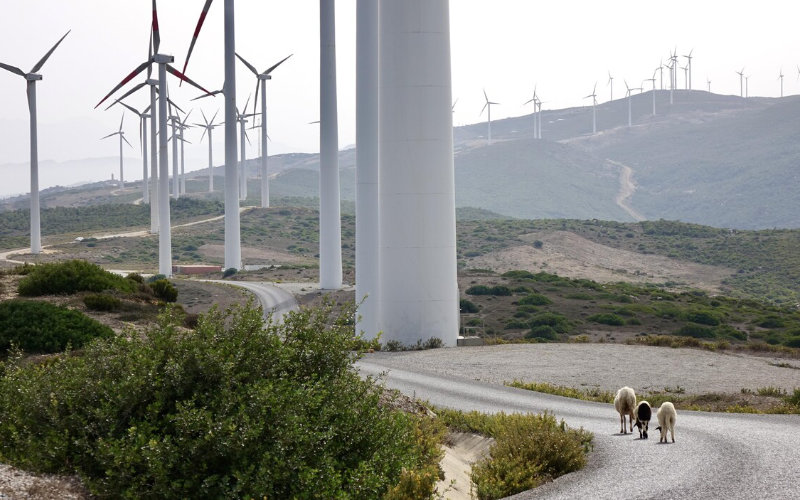
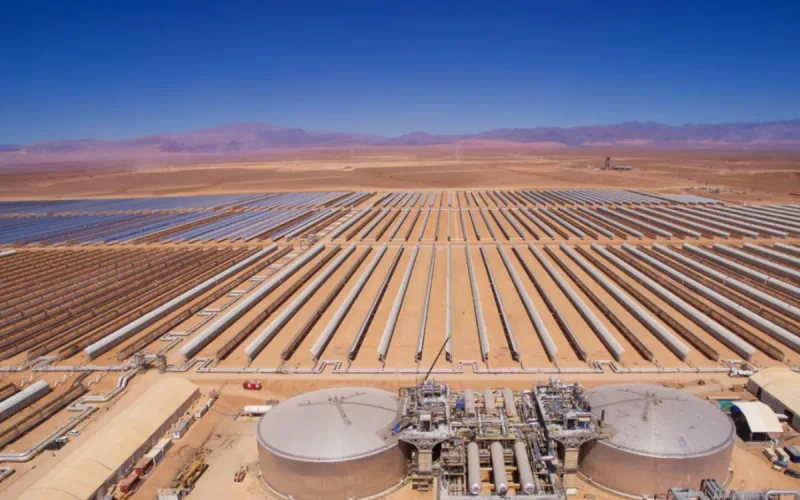
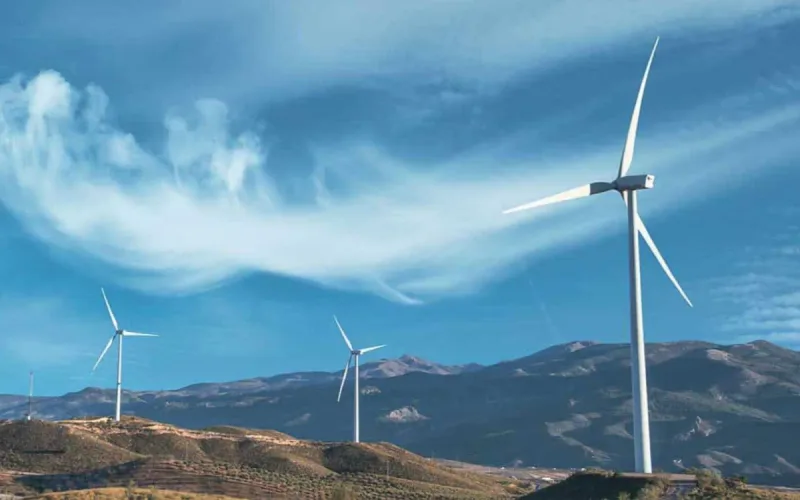
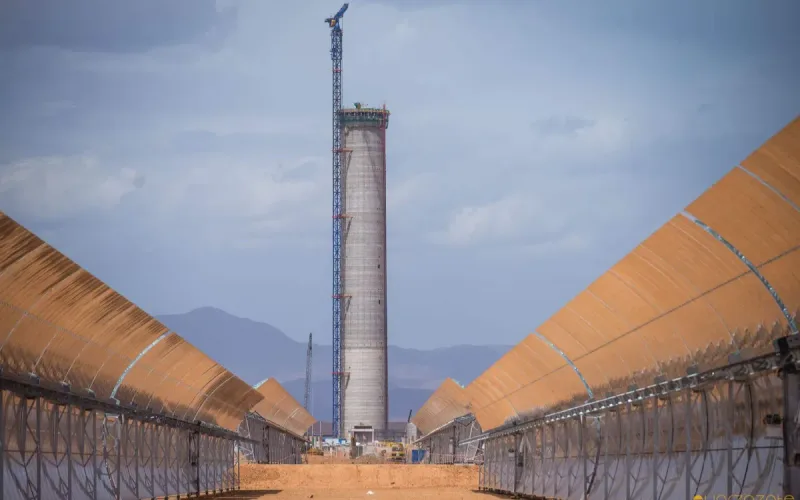
Experts acknowledge the rapid expansion of solar and wind capacity. The Noor Ouarzazate complex is among the projects cited. The pace of renewable energy deployment even receives a high rating, while its share of overall energy consumption remains insufficient to meet climate targets.
The report also notes the low uptake of electric cars in Morocco. Their share of car sales remains marginal, despite recent growth. The authors recommend modernizing the electricity grid and better coordinating new energy projects with the needs of transport and industry.
Dependence on fossil fuel imports is another challenge. Morocco has set a goal of phasing out coal by 2040, subject to international climate financing. Its new climate commitment also provides for cutting emissions by 21.6% by 2035 compared with the baseline scenario, a target that could reach 53% with external support.
On Bladi.net : Despite Solar and Wind Power, No Arab Country Consumes as Much Coal as Morocco
The index’s authors also praise the Kingdom’s investments in public transport, particularly the development of the high-speed rail network between Casablanca, Kénitra and Tangier. They also highlight the direction set out in its new national climate contribution.
To accelerate the transition, experts recommend greater investment in renewables, better regional coordination and greater attention to the needs of populations affected by projects. Morocco therefore retains a high overall climate rating, supported by its commitments and progress in several sectors.