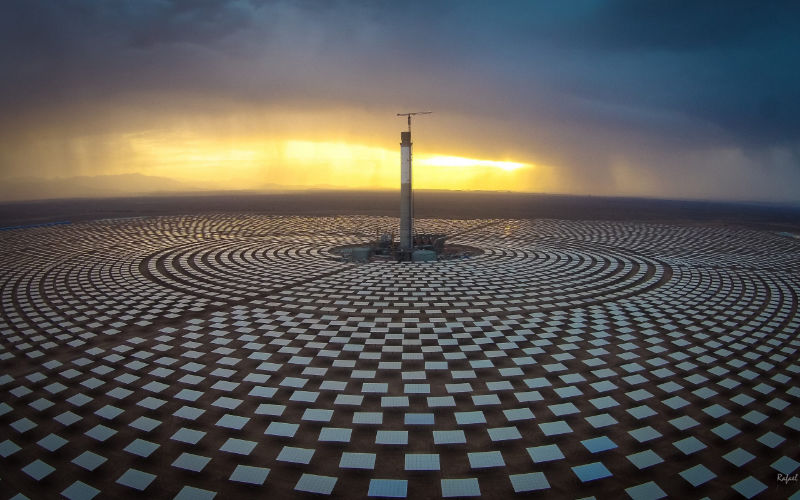
Morocco aimed for 52 % renewable energy by 2030, but could reach it as early as 2028
Morocco could achieve its target of raising renewable energy to 52 % of its installed electricity capacity two years ahead of schedule. The IEA PVPS now estimates that this threshold, set for 2030, could be reached as early as 2028.
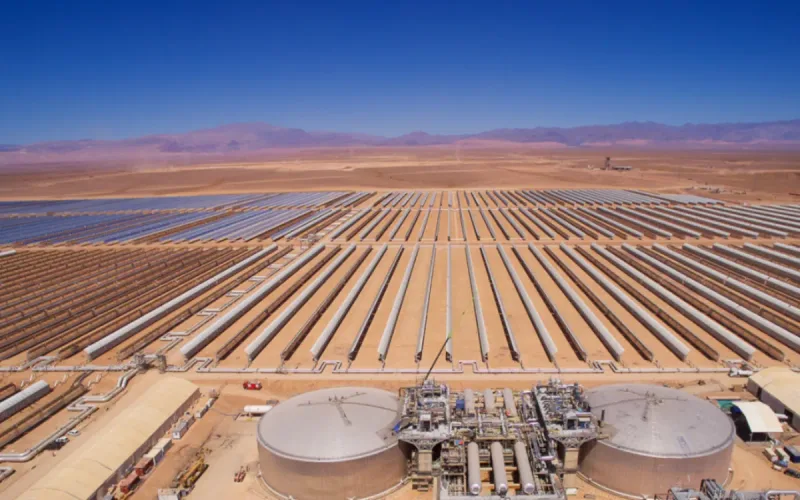
By mid-2025, renewables already accounted for 45.5 % of the Kingdom’s installed electricity capacity, according to the latest assessment devoted to Morocco by the International Energy Agency’s photovoltaic power systems programme.
On Bladi.net : Morocco Electric Battery Gigafactory 100 GWh Expansion
This proportion does not mean that 45.5 % of the electricity currently consumed in Morocco comes from renewables. It measures the capacity of installed power plants.
Growth is expected to accelerate with the 2025-2030 electricity infrastructure plan, which provides for an additional 12 445 MW of capacity, nearly 80 % of it from renewables.
Nearly 10 000 MW of additional renewable capacity
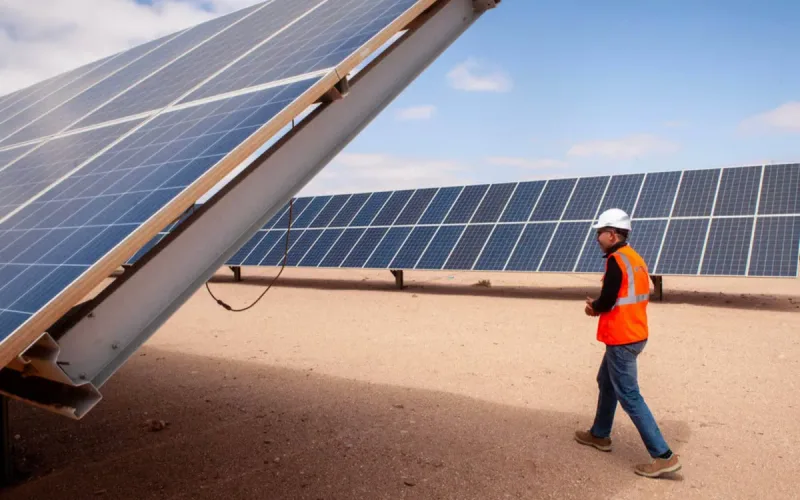
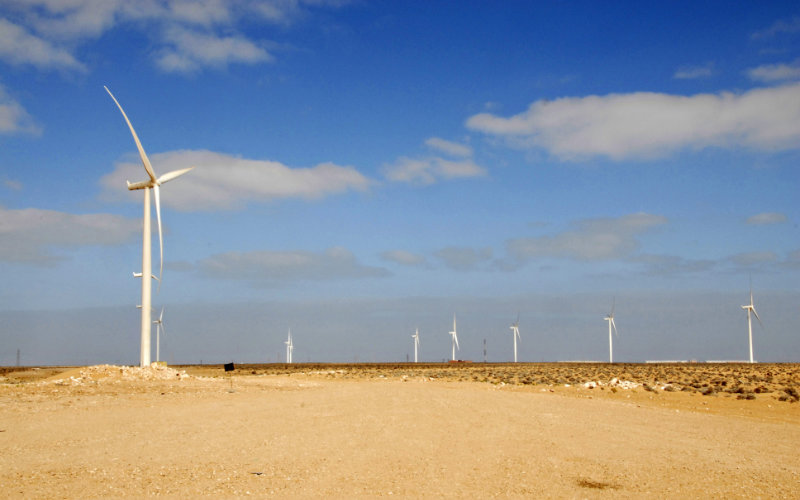
Solar power is expected to account for 35.8 % of the new capacity planned, and wind power for 31.8 %. Morocco is also preparing 1 500 MW of battery storage to better manage the intermittency of these new installations.
The IEA PVPS notably cites Noor Midelt II and Noor Midelt III. Each of these projects is to combine 400 MW of solar power with 602 MWh of battery storage.
Photovoltaic power is also advancing outside the large-scale plants. The report estimates that more than 3 GW are already installed in businesses, pumping systems and homes, although this capacity remains difficult to measure precisely due to the lack of comprehensive national monitoring.
On Bladi.net : Energy: Morocco seeks to avoid energy shortage
For the IEA PVPS, this acceleration now puts Morocco on a trajectory that would allow it to reach 52 % ahead of the scheduled deadline. An electricity target set for 2030 could thus be reached as early as 2028.