Morocco Media War: Disinformation and Deepfakes Exposed
Latifa Akharbach, president of the HACA, denounced a disinformation campaign targeting Morocco during the last CAN, with hateful content, rumors, racism and deepfakes amplified by social networks.
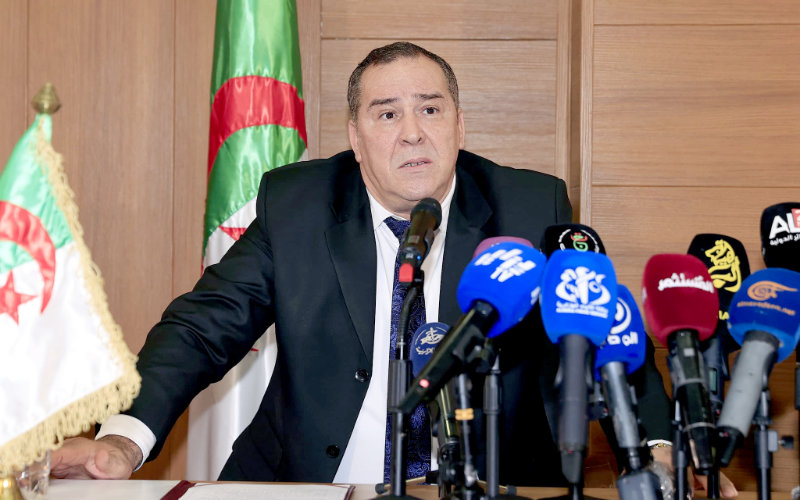
Morocco is alerting the world to new information wars. In Choucha, Azerbaijan, the president of the High Authority for Audiovisual Communication, Latifa Akharbach, called for rebuilding trust in the media to protect social cohesion and peace.
On Bladi.net : Moroccan Anti-Racism Groups Sound Alarm on Rising "Negrophobic" Hate Speech
During the World Media Forum, held from July 13 to 15, she challenged the economic model of major digital platforms, based on capturing attention, exploiting emotions and viral logic. According to her, these mechanisms transform the public space into a battlefield, where conflicts are also played out through the control of information.
Latifa Akharbach cited a recent Moroccan example: the external media war that allegedly targeted the kingdom during the last Africa Cup of Nations. A "disinformation machine" allegedly used conspiracy theories, hate speech, racist content and false content, particularly through deepfakes.
When football becomes a battlefield
This campaign was allegedly amplified by social networks, to the point of creating a climate of mistrust and hostility between Morocco and Senegal, two countries nevertheless linked by centuries of friendship and brotherhood, emphasized the HACA president.
Faced with this drift, Latifa Akharbach advocates for greater responsibility from all actors in the media space. She calls on the media to strengthen their self-regulation, particularly in the use of artificial intelligence within newsrooms.
She also insists on the responsibility of citizens, through better education in media, digital and artificial intelligence, which should be recognized as a right in its own.
The HACA president finally called for genuine accountability from global digital platforms. She believes their recommendation systems contribute to the spread of hateful and polarizing content, often to the detriment of users in the Global South.
On Bladi.net : Algeria Claims Morocco Escalates Media Attacks Following Israel Ties
For Latifa Akharbach, rehabilitating professional journalism is therefore not just a media issue. It is also an investment in social cohesion, public trust and civil peace.