Morocco’s Fertilizer Industry Hit by Gulf Conflict Despite Vast Phosphate Reserves
Morocco’s mining and chemicals industries fell sharply in the second quarter of 2026. According to Oxford Economics, the Gulf conflict weighed on mining activity. Morocco also depends on imported raw materials to produce its fertilizers, and supplies have been disrupted.
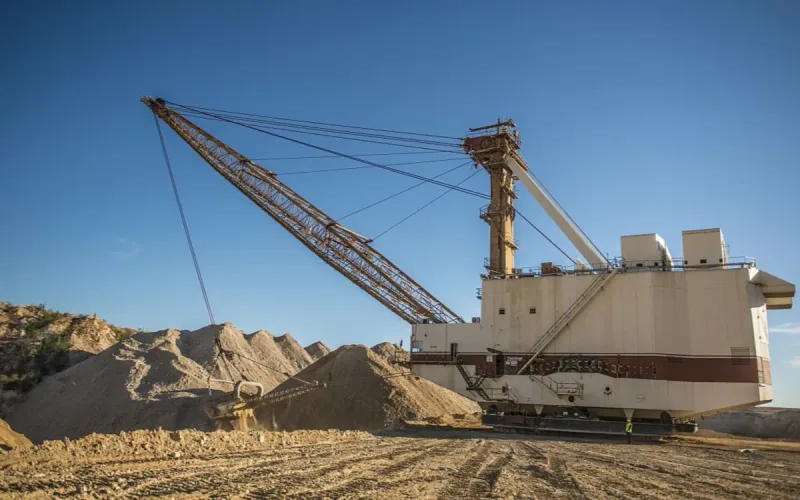
“The mining sector had a terrible quarter because of the conflict in the Gulf,” the consultancy said, according to El Economista. The Spanish daily looks at Morocco’s economic slowdown based on national accounts published on September 30.
On Bladi.net : Morocco Has Phosphate, but Lacks Sulfur
Value added in extractive industries fell 28.6% year on year. In the chemical industry, the production index dropped 29.5%. The two indicators measure different trends, but both point to a difficult quarter for these industrial sectors.
Their decline weighed on the economy as a whole. National growth stood at 4%, compared with 5.8% in the second quarter of 2025. Agriculture, however, grew by 21.2%. Non-agricultural activities increased by just 1.5%, according to the High Commission for Planning.
Sulfur and ammonia remain essential
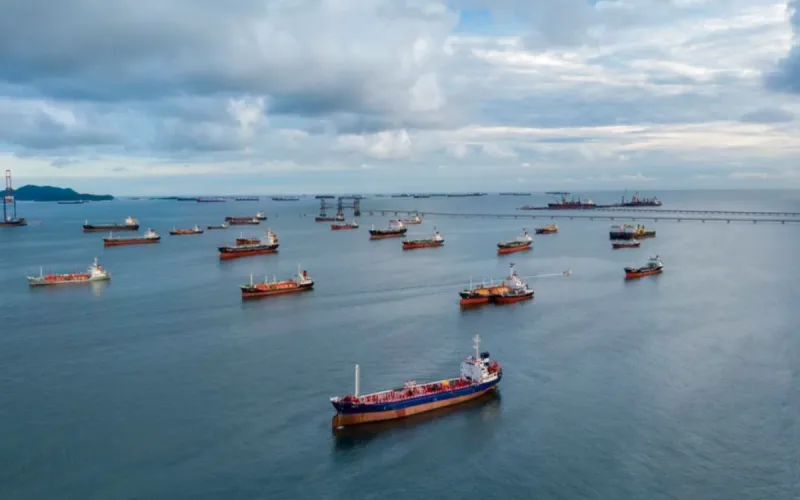
The problem stems in part from phosphate processing. Morocco has vast reserves of phosphate rock, but its fertilizer industry also needs sulfur and, for some products, ammonia. Some of these supplies depend on the Gulf and its shipping routes.
Sulfur is used to produce the sulfuric acid needed to turn phosphate rock into phosphoric acid. Ammonia is then used in some fertilizers. Tensions around the Strait of Hormuz are therefore affecting essential stages of Moroccan production, even when the ore is available locally.
El Economista describes rising raw-material costs and flows disrupted by the conflict. These difficulties come on top of declines in several other sectors, including clothing and computer equipment. The automotive and food-processing industries continue to grow, but not enough to offset the contraction across the secondary sector.
OCP had already adapted its production to these constraints. The group built up sulfur stocks and made greater use of triple superphosphate, or TSP, which consumes less sulfur per tonne produced and does not require ammonia.
On Bladi.net : Strait of Ormuz: The blockade that threatens to paralyze Moroccan phosphates
To reduce its dependence on imports over the long term, OCP is also working on projects to recover pyrite and pyrrhotite. They are scheduled to come online starting in 2027.