
Hormuz Threatens Global Fertilizer Supplies: Morocco Holds an Asset That Has Become Strategic
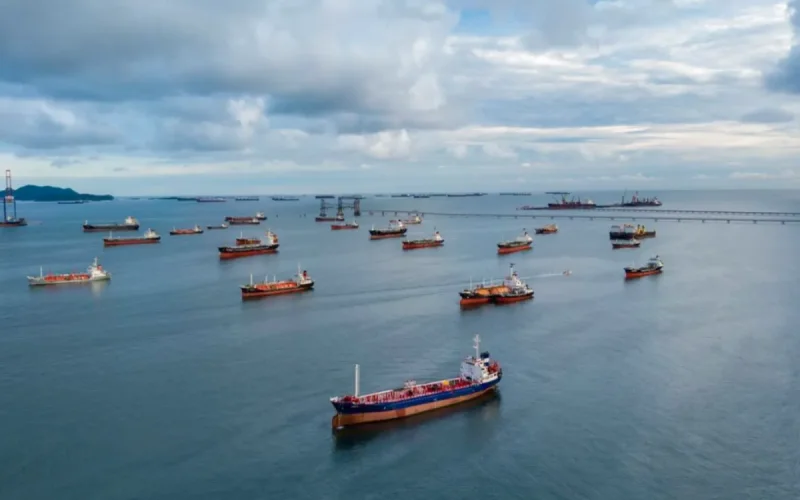
Disruptions in the Strait of Hormuz are undermining global supplies of nitrogen fertilizers and driving up their costs. In this strained market, Morocco’s immense phosphate reserves are taking on new importance, although they cannot replace nitrogen.
Around one-third of the nitrogen fertilizers used worldwide is believed to pass through the Strait of Hormuz. The war in the Middle East and the threats facing this maritime route therefore directly expose global agriculture to shortages and a further rise in prices.
In an analysis published this Saturday, 19 September, La Vanguardia emphasizes that the crisis is indirectly strengthening Morocco’s position. The kingdom has a resource that does not depend on the strait: phosphate, which is essential for producing another major family of fertilizers.
The risk does not come solely from the volumes passing through Hormuz. Nitrogen fertilizer production depends heavily on natural gas, whose price has risen with tensions in the Middle East. The cost of maritime transport and insurance must now be added to this increase.
The consequences could be felt during the next agricultural seasons. More expensive fertilizers raise the production costs of cereals and other crops, with a possible delayed effect on food prices.
On Bladi.net : article 90595
This situation is once again putting countries capable of securing part of the global supply in the spotlight. Morocco occupies a particular position: international estimates attribute around 70% of the world’s known phosphate rock reserves to it. The kingdom therefore has an advantage that would be difficult for its competitors to replicate, as Bladi detailed in an article devoted to Morocco’s dominance of global phosphate reserves.
Moroccan phosphate cannot replace nitrogen
However, this advantage must be properly understood. Phosphate fertilizers cannot replace the nitrogen fertilizers threatened by the Hormuz crisis. Nitrogen mainly promotes plant growth, while phosphorus plays a role in particular in root development and reproduction. The two elements are complementary.
The crisis therefore does not enable Morocco on its own to offset a possible global shortage of nitrogen fertilizers. It does, however, increase the strategic value of a regular phosphate supply, at a time when states are seeking to reduce their dependence on the most exposed maritime routes.
Washington has already drawn the consequences of this vulnerability. At the end of June, the United States temporarily suspended certain duties applied to Moroccan phosphate fertilizers. The White House directly justified this decision by the disruptions caused by the war with Iran and the risks facing the Strait of Hormuz, Reuters reported at the time.
This suspension, scheduled to last a maximum of eight months, was intended to make it easier for American farmers to access Moroccan fertilizers. It illustrates how quickly food security can alter trade policies when supplies become uncertain.
On Bladi.net : US to Review Tariffs on Moroccan Phosphate Fertilizers, Potentially Easing Trade Tensions
For Morocco and OCP, the stakes now extend beyond exports alone. Phosphate is becoming an agricultural security instrument for countries facing rising energy costs, trade wars and the vulnerability of major maritime routes.
Hormuz does not turn Moroccan phosphates into a substitute for nitrogen fertilizers. The crisis does, however, serve as a reminder that a resource concentrated in Morocco can become decisive in maintaining the global balance of fertilizers and, with it, part of food production.
Related Articles
-
After investing €1 billion, French companies want their share of Morocco’s next boom
19 September 2026
-
French companies seek to turn Morocco’s mountains into year-round tourist destinations
19 September 2026
-

Rabat sends its teams to Korea to prepare for the arrival of its electric buses
18 September 2026
-
The Morocco–Spain tunnel faces rock testing: fresh funding to prepare for drilling
18 September 2026
-

Michelin distinguishes 31 hotels in Morocco, just one behind the African leader
18 September 2026