Morocco Was Exporting Drone Components Before Announcing Military Factory Projects
Moroccan exports of components used in drone manufacturing rose by 60% between 2019-2021 and 2024. The previously unreported figure, published Tuesday by the European Bank for Reconstruction and Development (EBRD), highlights Morocco’s growing role in this strategic industry.
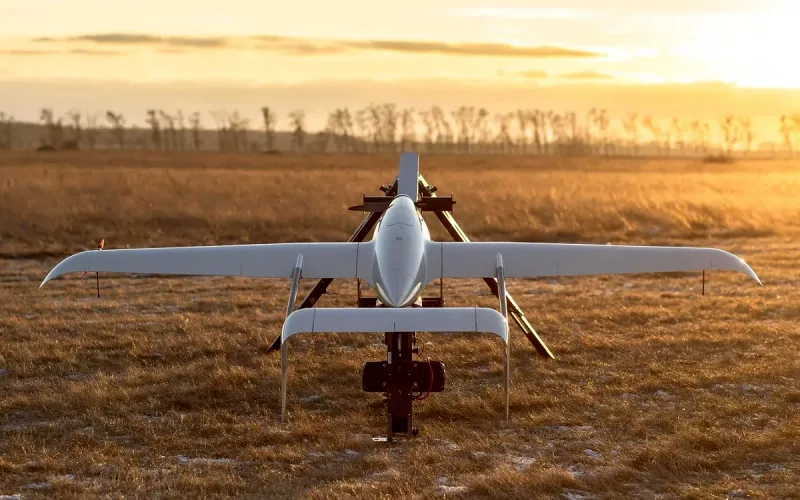
Morocco is gaining ground in the global drone manufacturing supply chain. According to the EBRD’s 2026-2027 report, published on November 17, Moroccan exports of inputs used in these devices increased 1.6-fold between 2019-2021 and 2024. That represents growth of 60%, recorded before recent announcements of plans to establish drone factories in the Kingdom.
This growth puts Morocco on a par with Slovenia and Slovakia, whose exports of drone components also rose by 60%. Bulgaria doubled its sales over the same period, while Serbia’s exports increased 3.2-fold, a rise of 220%.
The EBRD draws on CEPII trade data to measure changes in exports of inputs used in drone manufacturing, an industry with both civilian and military applications.
Morocco already part of the drone industry supply chain
This growth sheds light on Morocco’s industrial ambitions. In 2024, the Kingdom was already exporting components for the industry, while several local military drone production projects were still in preparation.
Since then, initiatives have multiplied. French group Harmattan AI is developing an industrial operation in Rabat to manufacture autonomous military systems for Africa and the Middle East. In Benslimane, projects led in particular by Turkish and Israeli manufacturers also aim to produce drones and their equipment locally.
On Bladi.net : Harmattan AI chooses Rabat to industrialize its military drones for Africa and the Middle East
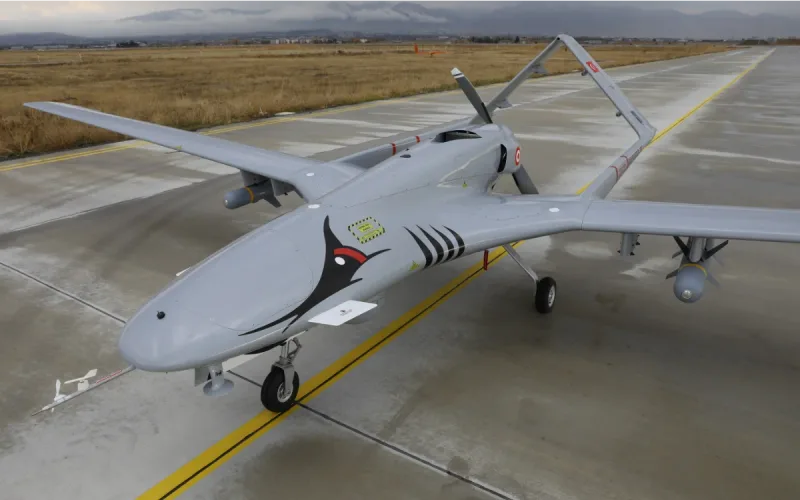
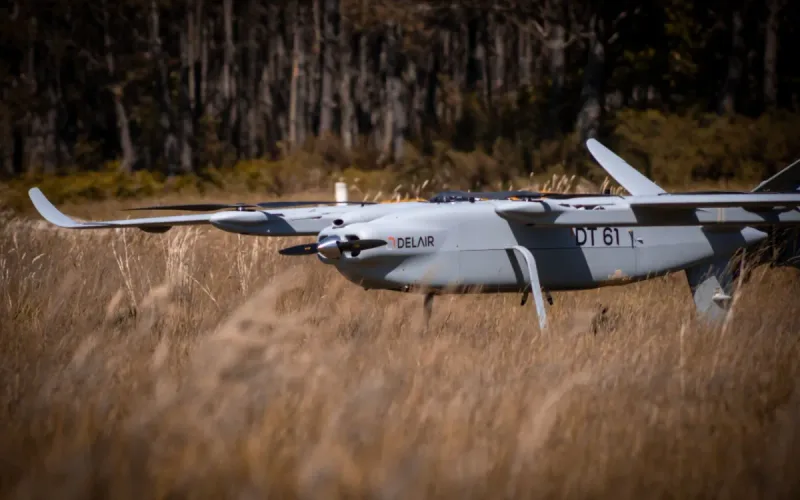
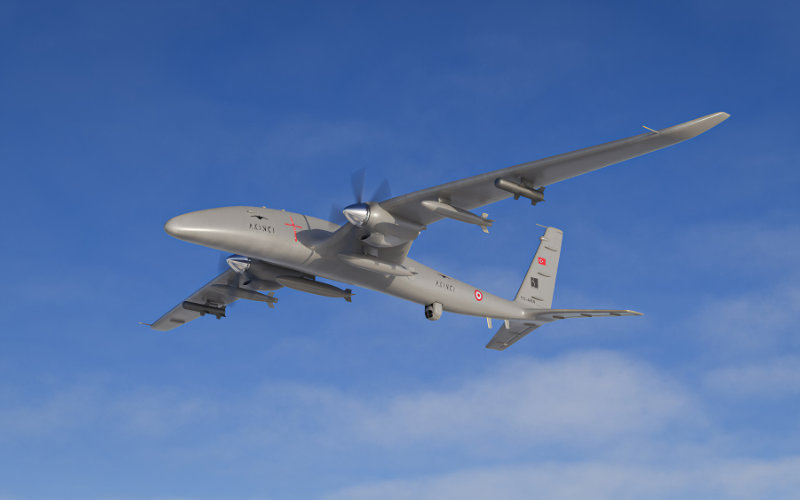
The report also measures the market share of major manufacturers internationally. Turkey accounts for 41% of global exports of heavy drones, mainly military, ahead of the United States (21%), Israel and China (11% each). In the small-drone market, which is primarily commercial, China dominates with 65% of global exports, followed by the Netherlands (7%) and Malaysia (6.7%).