Military Drones: Morocco Shifts to a New Dimension
Morocco is moving beyond its role as a mere importer. The kingdom is accelerating its defense strategy by positioning itself as a future hub for military drone production in Africa, attracting global industry giants to its territory.
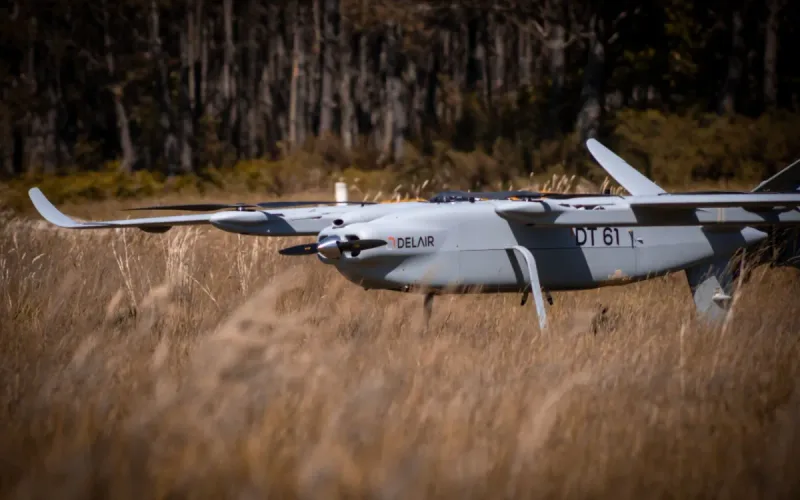
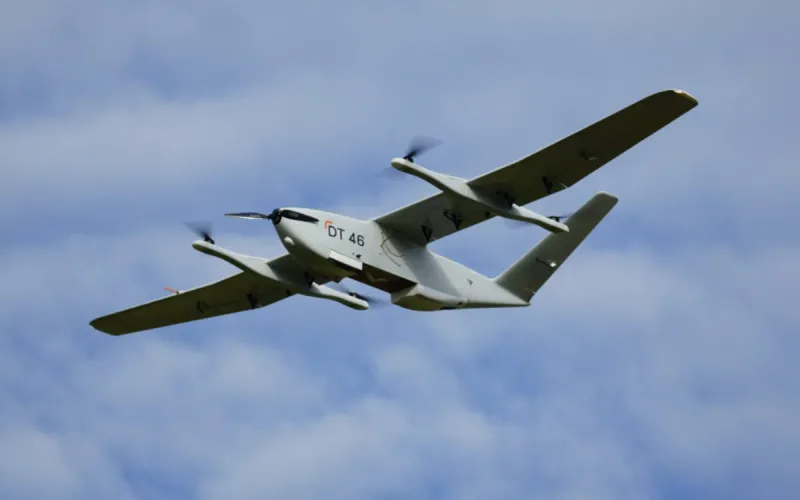
Within this industrial momentum, French drone manufacturer Delair, based in Toulouse, is preparing to establish a subsidiary called "Delair Africa" in Rabat. This strategic installation aims to expand the company’s operations across the entire continent. The group is renowned for its fixed-wing aircraft dedicated to intelligence and border surveillance, such as the DT61 model, capable of flying seven hours without interruption, or the DT46 VTOL, equipped with advanced sensors and highly secure encryption systems.
On Bladi.net : A new drone giant settles in Morocco
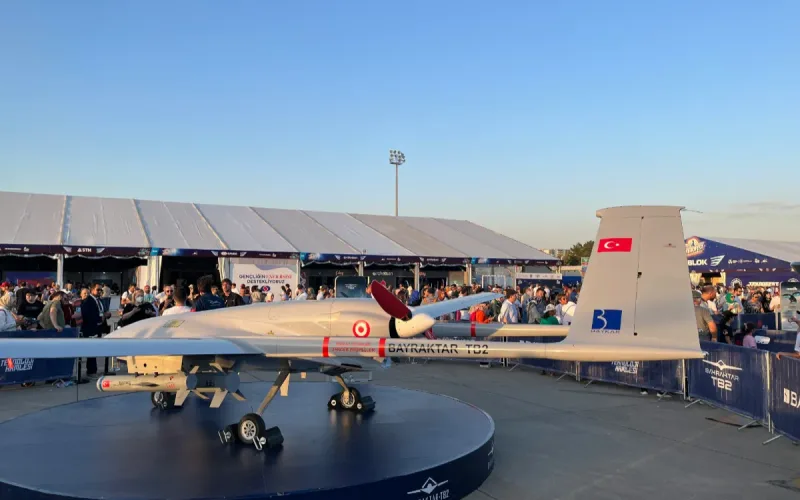
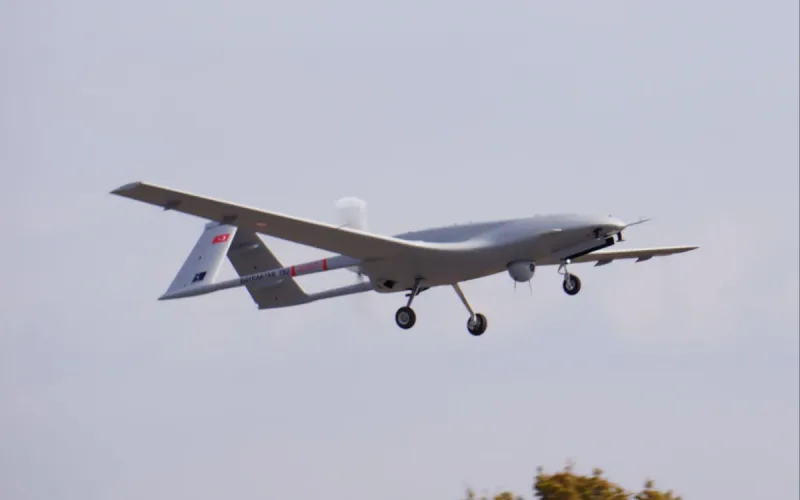
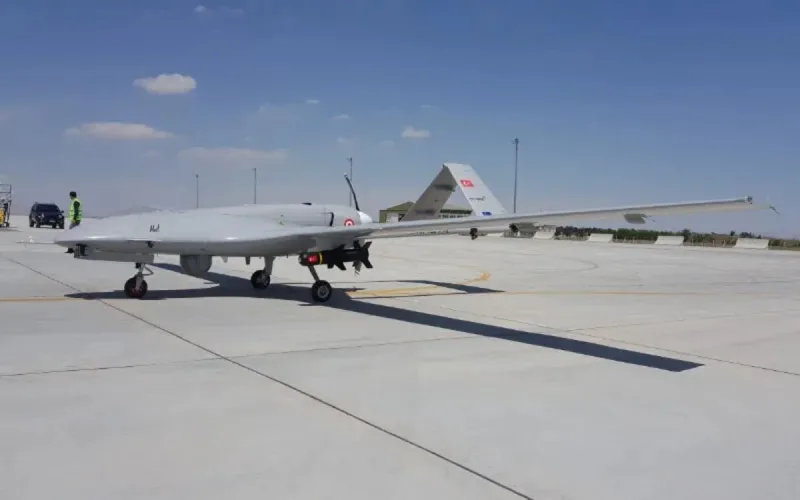
This establishment confirms the Kingdom’s ambition to establish itself as an international leader in military technology. Military affairs expert Abderrahmane Mekkaoui, interviewed by L’Opinion, emphasizes that this approach is part of a vision of diversifying weapons systems, blending American, French, Turkish, Chinese, and Israeli expertise. "Morocco is no longer content to simply import technology; it is working to innovate and develop it," the researcher affirms, noting that the country now relies on its own technical capabilities, with diaspora engineers returning to design locally manufactured equipment.
On the operational front, these technologies must address growing security threats. The French firm’s aircraft are notably based on successful experience in Ukraine and have proven their capacity to neutralize complex attacks, similar to Iranian Shahed 136 drones. For Morocco, the objective of such an industry is to effectively protect African borders while combating terrorist organizations and transnational criminal groups operating in the region.
On Bladi.net : Made in Morocco" Drones: The Giant Factory in Benslimane Will Be Ready in 2026
This evolution is permanently transforming the country’s position in the weapons industry value chain. As strategy researcher Hicham Mouatadid analyzes, the arrival of these manufacturers allows Rabat to shift from an import-based logic to the "localization of security functions." The priority challenge is not the immediate total manufacturing of systems, but achieving defensive self-sufficiency. This requires acquiring the internal capacity to operate equipment, ensure its maintenance, and autonomously control data collected in the field.