Morocco Considers Foreign Workers as Avocado Growers Face Labor Shortage
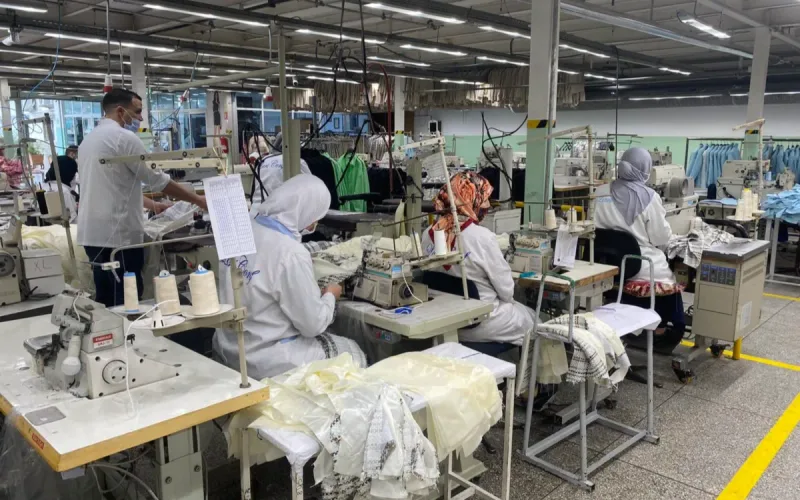
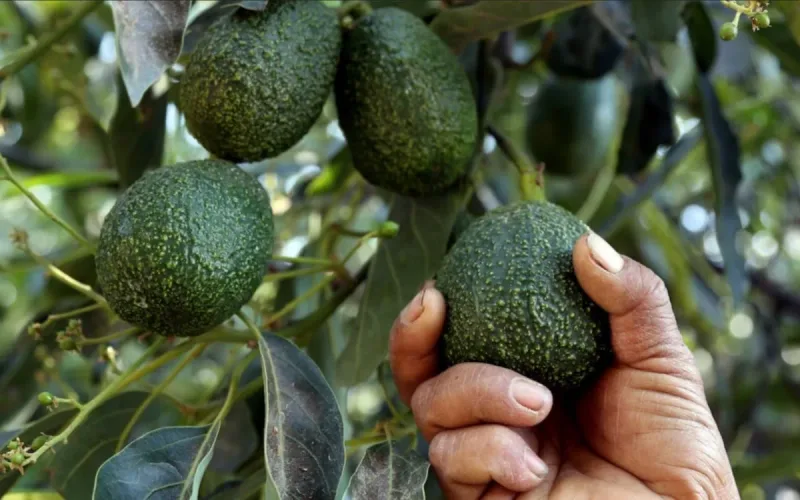
Morocco is short of workers to harvest its avocados. Growers are discussing with the authorities the possible recruitment of foreign workers. The option is being considered as the sector, which already employs 10,000 people, plans to export 100,000 tonnes this season.
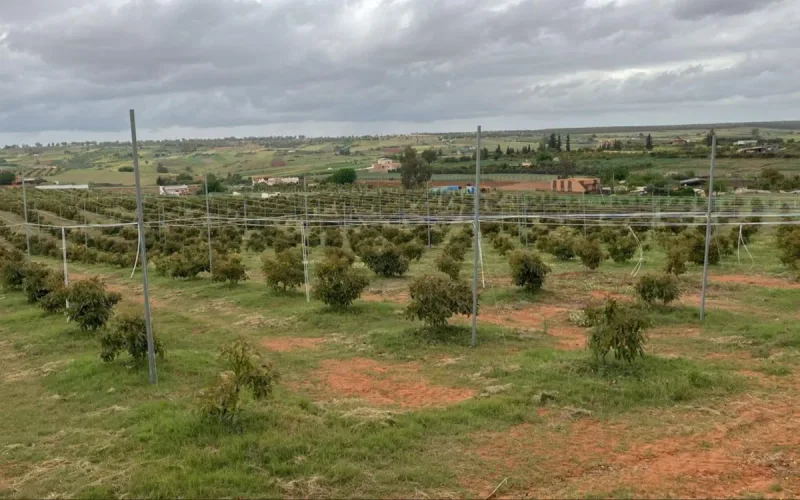
Morocco could soon bring in foreign workers to harvest its avocados. Faced with a persistent shortage of seasonal labor, growers have opened discussions with the relevant authorities. The announcement was made on Thursday, October 15, in Larache by Abdellah El Yamlahi, president of the Moroccan Avocado Association (MAVA), before the 250 participants at the second Moroccan Avocado Summit.
On Bladi.net : Bigger and more numerous: Moroccan avocados set their sights on Europe
The industry representative hopes to see results soon. However, he did not specify which countries workers might be recruited from, how many would be brought in, or what arrangements were being considered with the authorities. According to FreshPlaza, which covered the summit, difficulties in mobilizing enough workers continue to hamper production.
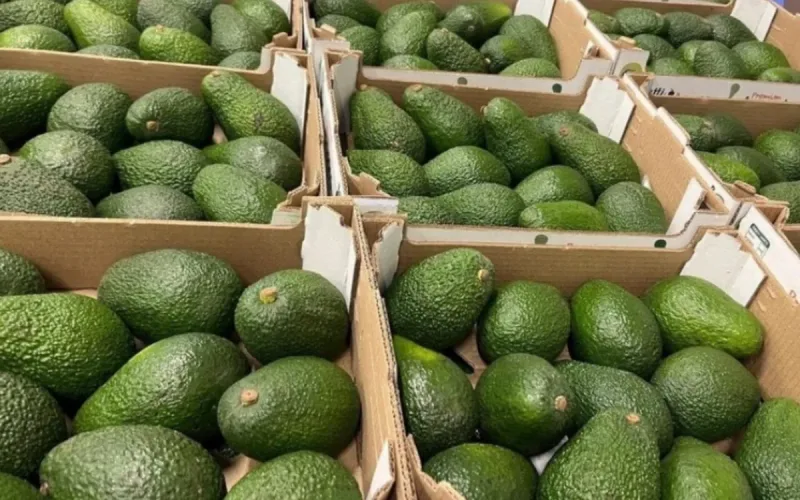
The problem comes as the sector prepares for a major season. The first Hass harvests are expected at the end of October. The association forecasts production of 120,000 tonnes for the 2026-2027 season, of which 100,000 tonnes are destined for export. The sector already accounts for 10,000 jobs and generates around 360 million euros per season, according to its president.
Labor pressures extend well beyond avocado plantations. In other Moroccan agricultural sectors, the shortage of workers has driven up daily wages. Some growers said in August that they were paying between 300 and 400 dirhams for about five hours of work, paid by output. Seasonal recruitment becomes particularly difficult when several harvests take place at the same time.
Foreign workers already work in Morocco’s fields
The use of foreign labor is not entirely new in Morocco. In Souss-Massa, migrants from sub-Saharan Africa already work on farms, particularly those focused on exports. Some have settled there permanently, while agricultural businesses continue to seek workers to bring in their harvests.
But attracting more workers also means meeting the demands of international markets. At the Larache summit, Imad Oustachne, an international auditor specializing in SMETA social certification, noted that European, British and North American buyers are increasingly monitoring working conditions at their suppliers. Wages, working hours, safety and grievance mechanisms are among their criteria. These checks apply to farms as well as packing and storage facilities.