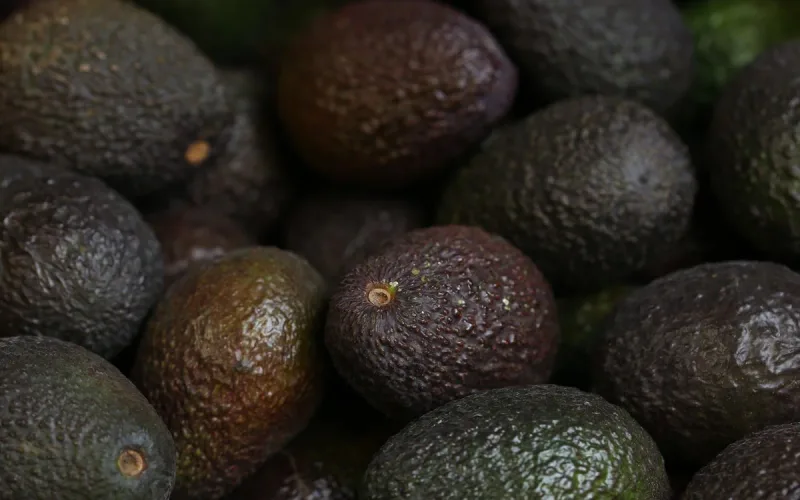
Moroccan Avocado Exports Gain Ground in Europe, but Profits Are Shrinking
Moroccan avocados have found their place in European supermarkets. But the breakthrough is bringing exporters far less than it once did. Caught between advance payments to growers and claims from buyers, one producer describes margins as “minimal.”
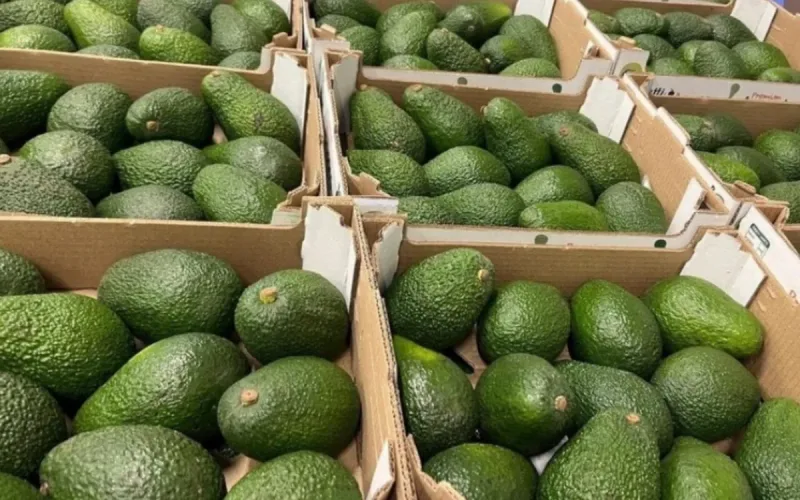
At the first Morocco Avocado Conference, held on 30 September in Tangier, the industry professional explained the tensions this situation is creating across the sector. Growers track European prices online, but the prices displayed on store shelves do not reflect exporters’ returns, reports FreshPlaza.
On Bladi.net : Moroccan avocado producers block exports
Exporters, meanwhile, pay growers in advance. They therefore commit their money before knowing the outcome of the sale, and then bear the financial consequences of supermarkets’ claims about the quality of the shipments. According to the industry professional, their margins are now much smaller than they were twelve years ago.
Yet this pressure comes as the reputation of Moroccan fruit has improved. Four or five years ago, exporters still had to go through Spanish importers. Work on orchards and ripeness checks has since helped Morocco become a recognised source for European retailers.
Small avocados sell for considerably less
That recognition does not guarantee the same price for every fruit. Data presented by consultant Fernando Dupuis Grawe show that a four-kilo carton of Moroccan size 24 avocados sold for between 7 and 9.50 euros, compared with 10 to 15 euros for size 16. Smaller fruit therefore sold at discounts of 30 to 42%, depending on the seasons studied.
They are particularly vulnerable when they arrive on wholesale markets at the end of the year without a buyer lined up. The consultant therefore recommends shipping them only against confirmed orders, rather than sending them into an already saturated market.
Exporters also have a logistical advantage that can help them sell more: their trucks can reach European markets in 48 to 72 hours. This proximity allows them to meet buyers’ needs when maritime shipments are delayed.
But reliance on these markets remains high: around 95% of Moroccan exports go to the European Union and the United Kingdom. The sector is preparing for its new season as global supply continues to grow and prices remain volatile.
On Bladi.net : Moroccan lawyer: -50% yield! Why the sector experienced its worst historical season in 2026
After exports fell 46% to 62,000 tonnes in 2025-2026, interim estimates gathered by FreshPlaza on the sidelines of the conference put next season’s production at around 140,000 tonnes. Between 100,000 and 110,000 tonnes could be exported.