In Tangier, workers are leaving factories for more lucrative work
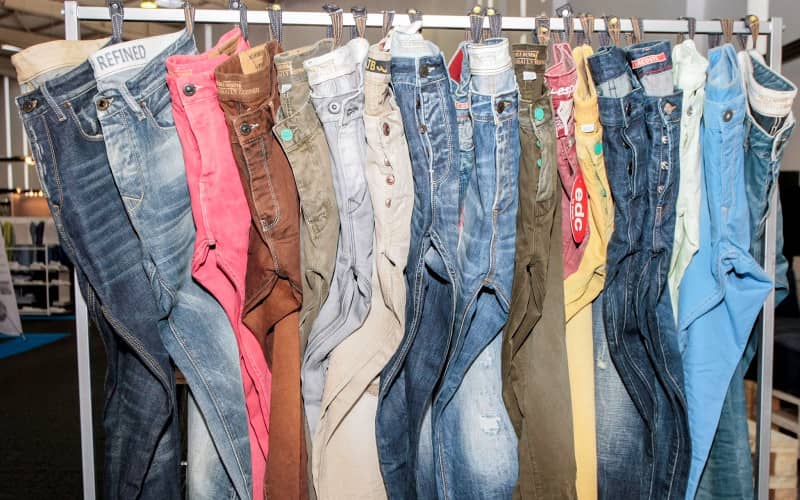
Textile workers in Tangier are leaving factories to join teams paid by the piece, which are seen as freer and more profitable. The system is used by manufacturers to handle foreign orders, but ultimately worsens their labor shortage.
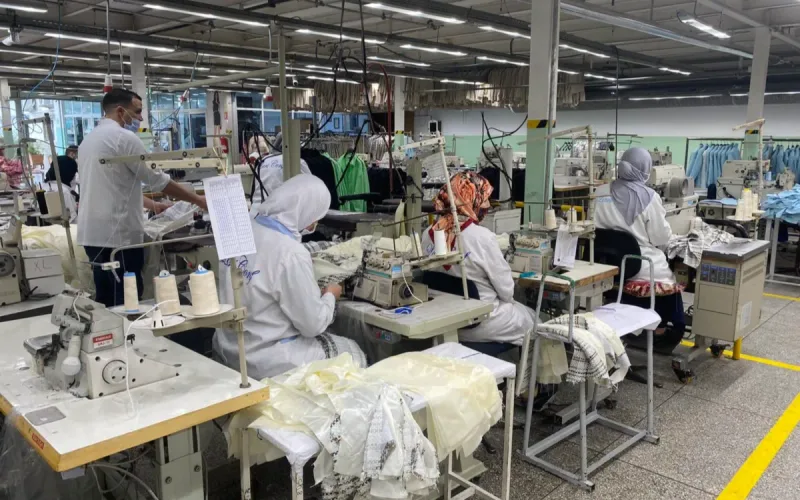
According to information gathered by Hespress, some employees are leaving their traditional jobs to join groups operating under the “quinta” or “atacha” system, based on piecework.
For them, the arrangement appears more flexible and better paid than a contract guaranteeing at least the minimum wage. For manufacturers, it makes it possible to quickly find workers when a large order has to be delivered within tight deadlines.
The paradox is that this solution is now contributing to driving some workers away from factories. This difficulty comes as labor costs in Morocco’s textile industry are already significantly higher than those of some African competitors.
On Bladi.net : Moroccan Textile Industry Faces Order Slump as Global Demand Weakens
The president of the Northern branch of the Moroccan Association of Textile and Clothing Industries (AMITH) explains the phenomenon by the sharp fluctuations in order books. A factory may multiply its production lines during a period of high activity, then have to reduce them abruptly when orders decline.
Tangier’s textile industry depends directly on foreign markets, particularly European ones. When orders resume, manufacturers therefore have to quickly find workers.
The factories’ solution backfires on them
It is during these periods that piecework becomes particularly useful. Groups of workers temporarily take charge of part of the production, enabling factories to meet their customers’ deadlines. This responsiveness remains one of the assets that allow “Made in Morocco” to withstand the Asian giants on the European market.
But some forms of this activity fall outside the traditional framework. Intermediaries may recruit and pay workers directly, while the factory only sets the quantity to be produced and the deadline. The direct link with the company then disappears, creating risks concerning the workers’ registration, social protection and rights.
These intermediaries may also keep part of the amount paid by the factory before paying the workers.
The owner of a textile factory in Tangier acknowledges that the use of “atacha” remains widespread. Some manufacturers see it as a quick response to pressure from orders, but, in his view, this system makes it more difficult to form stable teams and ultimately weakens the industry.
On Bladi.net : Morocco automotive workers anger low wages job insecurity
Tangier’s factories thus find themselves caught in their own mechanism: they need pieceworkers to respond quickly to foreign orders, but this mode of work has become attractive enough to prompt some employees to leave the factory.
A solution designed to address the labor shortage is therefore now helping to perpetuate it.