In Moroccan Fields, Sub-Saharan Migrants Become Indispensable
Morocco is transforming into a destination country. Facing a shortage of local workers, sub-Saharan migrants are becoming essential for agriculture. Many are postponing their departure to Europe to work in the fields.
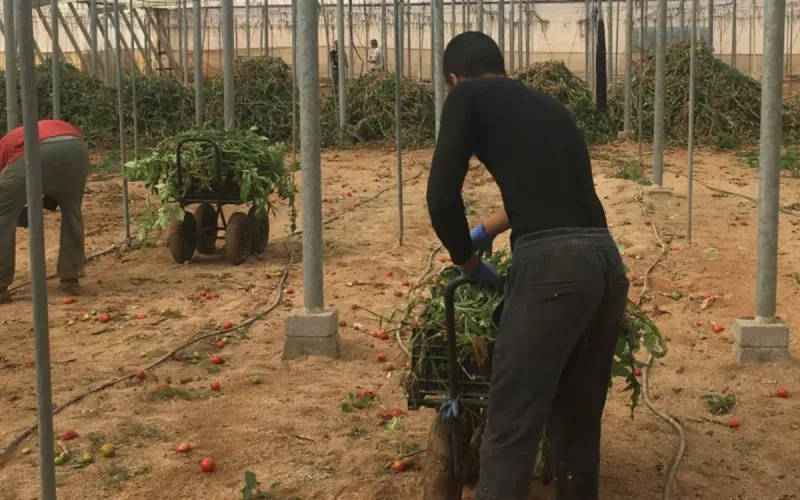
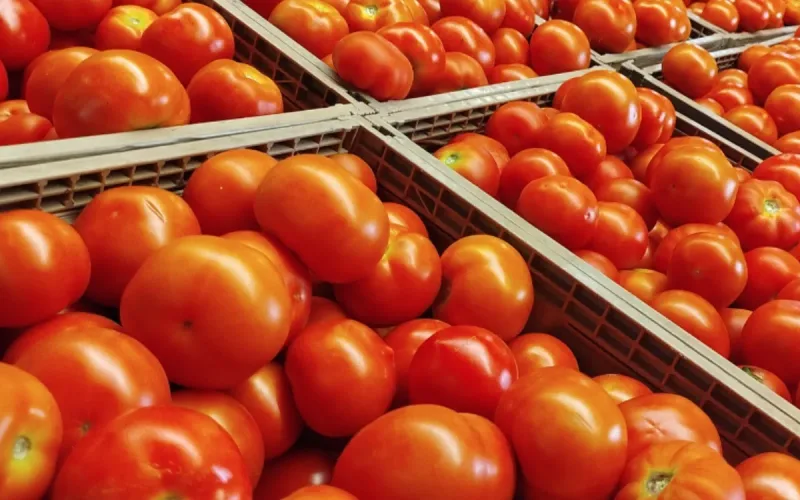
In the Souss-Massa region, south of Agadir, the Chtouka plain illustrates this dynamic. With 24,000 hectares of greenhouses, the zone produces more than 80% of Morocco’s fruit and vegetable exports. Last year, these sales generated 4.5 billion dollars. To maintain this pace, farmers are massively hiring workers from West Africa.
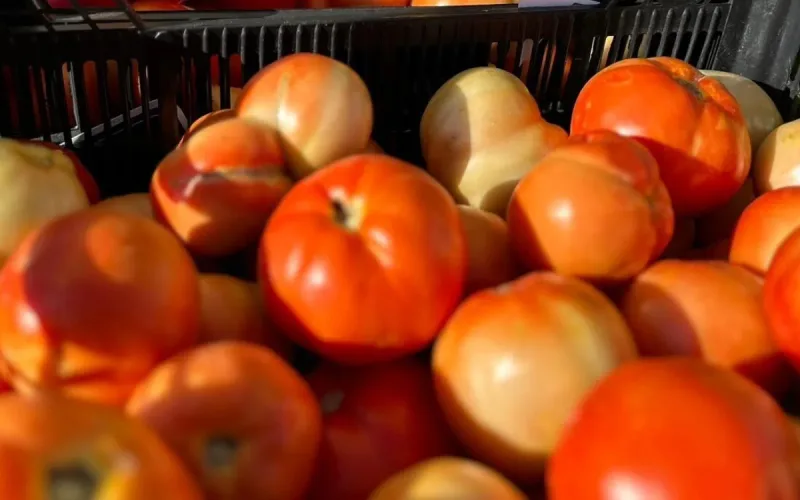
On Bladi.net : Tomatoes: Morocco does not stop exports
These foreigners fill the void left by Moroccans. Driven by drought, rural residents are moving to cities to work in construction or services. This trend will accelerate with the 20 billion dollars in investments planned for the 2030 World Cup. Since 2000, agriculture has lost 1.7 million jobs. Only a quarter of Moroccans work in it today, compared to half twenty years ago.
Remaining local workers demand high wages, up to 500 dirhams per day on a piecework basis. Migrants earn much less, around 100 dirhams. Reuters cites the example of Abdulfattah Aliou, a 23-year-old Togolese man brought south by authorities after attempting to reach Spain. He says that "working is better than begging in the streets."
Without these workers, export crop producers would face great difficulty. Abdelaziz El Maanaoui, head of a local agricultural association, confirms that "without sub-Saharan labor, a certain number of farms could have closed or been forced to reduce their production." Rachid Benali, head of the national confederation, emphasizes a global shortage of workers and warns: "Morocco no longer has the advantage of cheap labor."
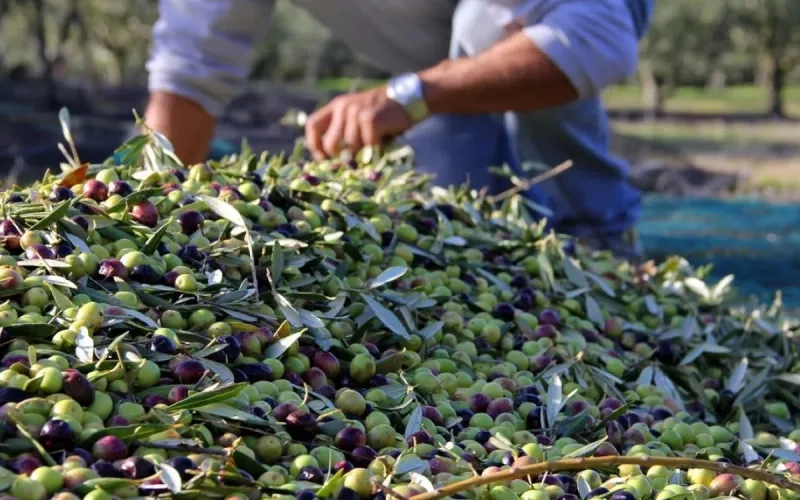
On Bladi.net : Olive oil in Morocco: Record harvest, but no one to pick
These arrivals are reshaping rural demographics, particularly in the rural municipality of Ait Amira. In thirty years, the population has quadrupled to reach 113,000 inhabitants. While some migrants still sleep outdoors hoping to reach Europe, others are settling permanently. Senegalese Alioun Dialou has worked on these farms since 2008 and has sent his daughter to school, who now speaks Moroccan Arabic and Amazigh.