Olive oil in Morocco: Record harvest, but no one to pick
Despite an exceptional production exceeding two million tons for the 2025-2026 season, the Moroccan olive oil sector is facing a major paradox. While abundance has brought the price of a liter back to around 70 dirhams, the acute shortage of labor and the explosion of harvesting costs threaten the profitability of farms and the pace of processing.
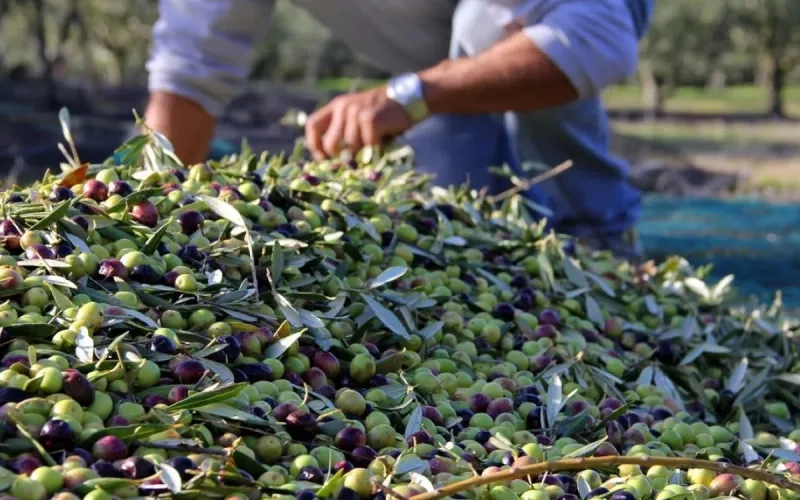
The 111% jump in national production this season should have marked a return to normal after two years of drought and record prices. However, on the ground, farmers are struggling to mobilize the day laborers needed to pick the fruit on time. In regions like Taounate, daily wages have soared, rising from 150 dirhams to nearly 400 dirhams in some cases, plus housing and food expenses. This pressure on the workforce is exacerbated by a shortened harvest calendar due to winter storms and competition from other sectors, particularly the major infrastructure projects related to the 2025 CAN and the 2030 World Cup, which are capturing a significant portion of rural workers.
The financial impact for producers is direct and worrying. While the olive is traded between 4 and 6 dirhams per kilo, the cost of harvesting can represent up to 50% of the farmer’s turnover. In some areas, the practice of "half-picking", where the worker keeps half of the production as compensation, is becoming widespread due to lack of alternatives. This situation is eroding Morocco’s historical competitive advantage, based on accessible labor, and bringing the national agricultural model closer to the European issues where labor costs require accelerated mechanization.
For the interprofession, represented by Rachid Benali, cited by Le Matin, the problem is structural and goes beyond the simple climate situation. The massive rural exodus to the cities, stimulated by national construction sites, has permanently altered the agricultural labor market. If the olives are not harvested within the optimal time frames, part of the production risks deteriorating on the tree, which could limit the price drop expected by consumers in the medium term. Discussions are underway with the employment authorities to try to structure this market, but the sector must now learn to produce more with increasingly scarce and expensive human resources.