Morocco battery production outpaces Spain automotive industry
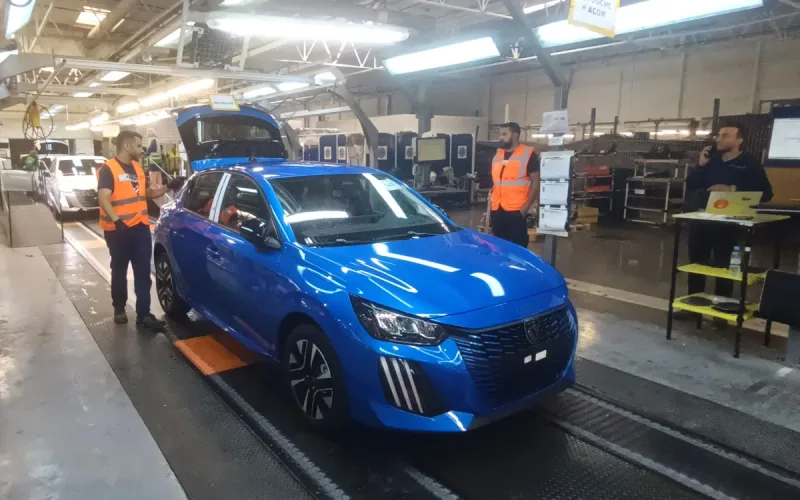
Revolution in the automotive industry. By launching its first electric battery production tests in Kénitra, Morocco has just outpaced Spain, which has not yet produced a single cell from its factories under construction.
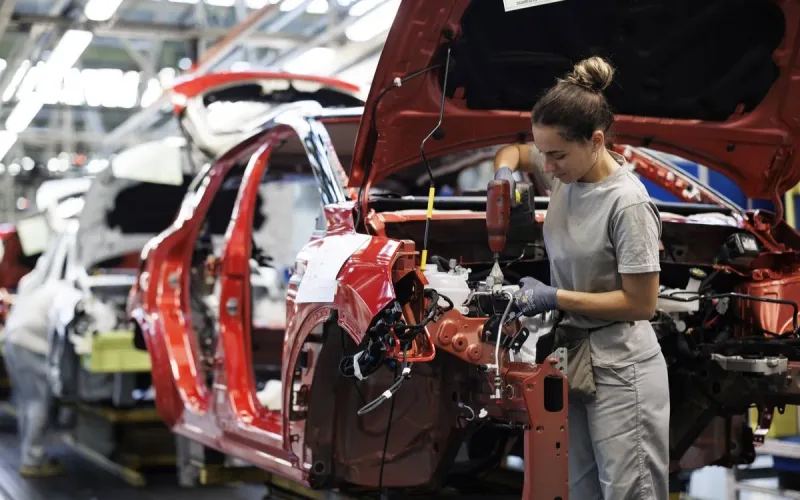
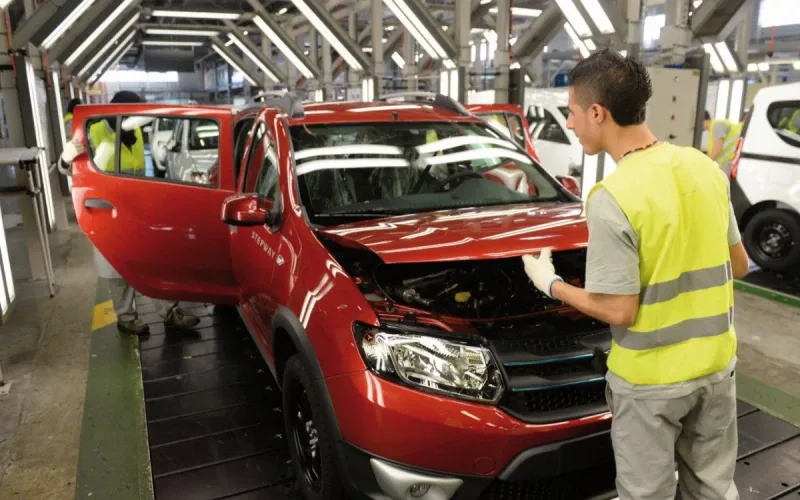
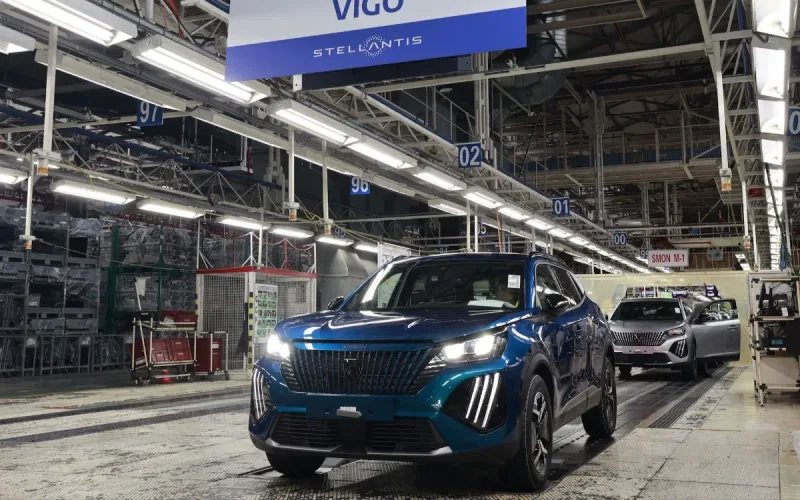
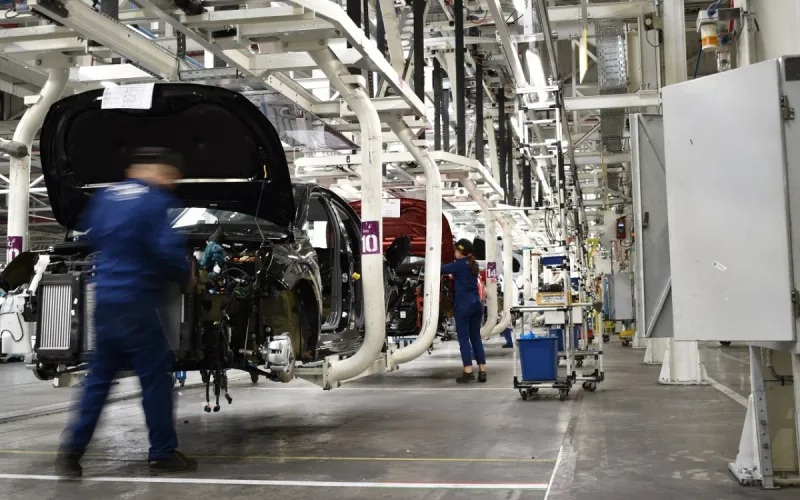
The Kingdom is reaping the fruits of a global strategy launched nearly ten years ago to become Europe’s automotive platform. The country has strengthened its infrastructure with major highways and two major ports, Tanger Med and Nador Med. These maritime complexes outclass their Spanish competitors with dedicated zones and a capacity exceeding one million vehicles per year. Three major factories (two for Renault in Tangier and Casablanca, and one for Stellantis in Kénitra) drive this competitive sector where the monthly salary hovers around 600 euros.
On Bladi.net : Renault Spain Morocco relocation threat automotive jobs
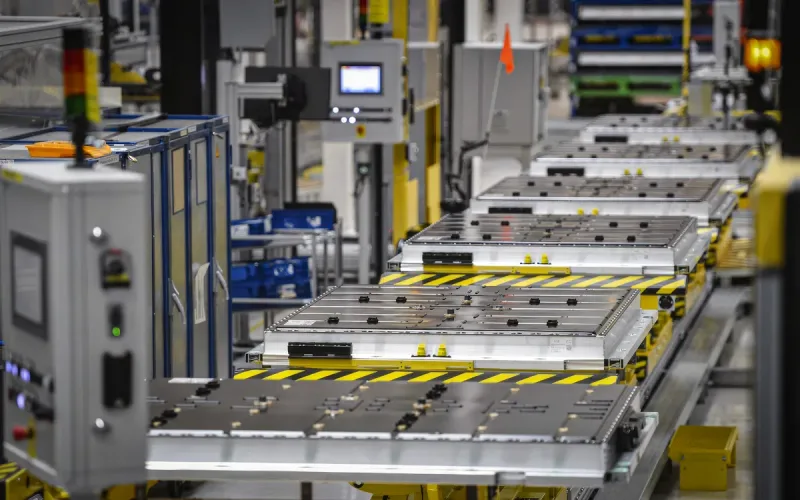
The story is accelerating as the Kénitra site has just manufactured its first battery cells in the testing phase. This is a technological edge over Spain, whose two future industrial giants in Sagunto and Zaragoza have yet to produce anything. As the media El Debate points out, if Spain does not react immediately, Morocco is completely ready to manufacture vehicles faster, cheaper, and under environmental legislation much more flexible than European standards.
Behind this Moroccan factory is the company Gotion, owned more than 30% by the Volkswagen group and Chinese investors. This colossal 3.2 billion euro project, creating 3,000 direct jobs, relies on massive access to renewable energy and essential minerals whose exploitation rights were purchased years ago by Chinese companies.
On Bladi.net : Renault Spain Crisis: Morocco Seizes Industrial Opportunity
In the short term, the batteries produced will supply the Stellantis site in Kénitra and cover Volkswagen’s European demand, while the Spanish Sagunto factory ramps up to full capacity. This ultra-rapid transition is directly disrupting the industrial balance of the Iberian Peninsula.