Moroccan Study Finds Unexpected Differences in Radioactivity Levels Across Crops
Tomatoes, eggplants, potatoes and pomegranates: Moroccan researchers analyzed nine crops to measure their radioactive-element content. Their study, published on October 8, reveals surprising differences among the crops and the decisive role of soil in their uptake.
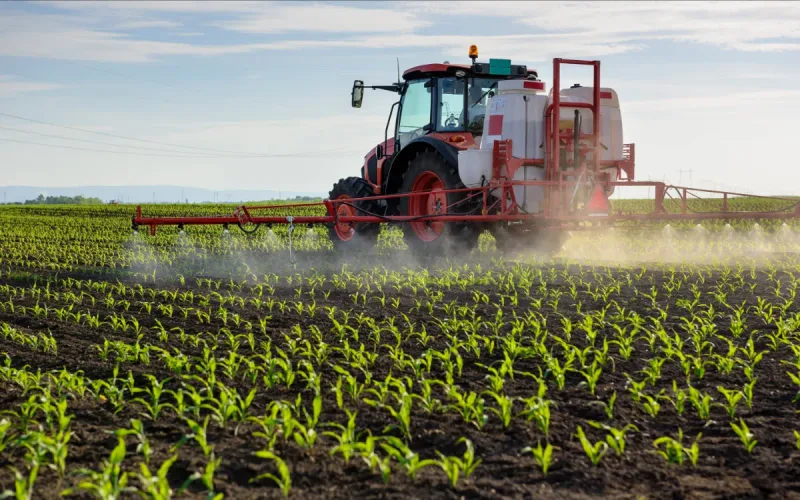
In Moroccan fields, plants do not all absorb the same substances in the same way. Some retain more radioactive potassium, while others take up far less radium or polonium. To understand these differences, a team of scientists collected soil and plant samples in a semi-arid agricultural region of the kingdom.
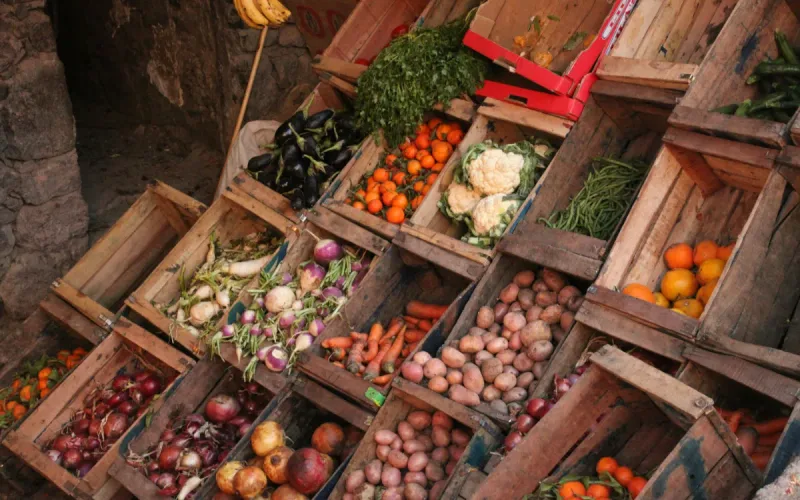
The findings, published on Thursday, October 8, in the scientific journal Environmental Monitoring and Assessment, cover nine common crops, including tomatoes, eggplants, potatoes, onions, pomegranates, beets and coriander. The researchers looked for eight radioactive elements, including radium 226, polonium 210 and potassium 40.
The latter has a particular characteristic. Naturally present in the environment, it accompanies the potassium plants need to grow. As a result, its concentration in some plants can exceed the level measured in the soil. By contrast, cesium 137, an artificially produced radioactive element, was most often below detection limits in the crops analyzed.
Why eggplants and cardoons stand out
Two vegetables particularly caught the researchers’ attention: eggplants and cardoons. They have high transfer values for certain radionuclides. In other words, they can accumulate proportionally more of them than other plants grown under comparable conditions.
But the behavior of vegetables depends not only on their variety. Soil composition also plays an essential role. The scientists found that organic matter and the soil’s ability to retain and exchange certain chemical elements strongly influence their transfer to roots.
By contrast, soils rich in carbonates or with high salinity tend to limit the mobility of these substances. This is an interesting feature in dry regions, where these conditions are common.
On Bladi.net : Morocco supplies 8 % of fruit and vegetable imports into the EU, but appears infrequently in pesticide alerts
The study also examines the exposure that could result from consuming these products. The presence of naturally occurring radioactive elements in food is not unusual and does not, by itself, mean that the food poses a health risk.
For the researchers from Hassan II University and the National Center for Energy, Nuclear Science and Technology (CNESTEN), these analyses mainly help explain how radionuclides move through Moroccan farmland and improve radiological monitoring of crops.