Dinosaurs, fossils, deserts: 42 treasures of the Middle Atlas threatened by looting
Moroccan researchers have catalogued 42 remarkable geological sites between Boulemane and Missour. Dinosaur fossils, desert landscapes and exceptional formations make up this still-underappreciated heritage, already exposed to looting, degradation and a lack of protection.
The territory studied extends from the central Middle Atlas to the plain of the middle Moulouya. This Boulemane-Missour region contains a highly diverse paleontological, mineralogical, hydrological and geomorphological heritage.
A team from Sidi Mohamed Ben Abdellah University in Fès carried out a detailed inventory. Its study, published on August 25, 2026, in the journal Geoheritage, identifies 42 sites of geological interest or interest related to landforms.
The researchers then assessed these places according to their scientific, educational and tourist importance. Fifteen geological sites and six geomorphological sites, 21 places in total, were selected as having the highest heritage value.
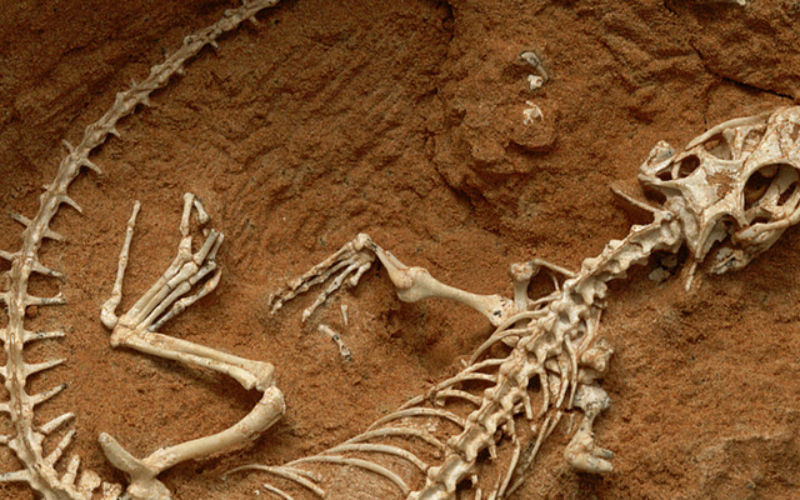
Among them is the paleontological site where Spicomellus afer was discovered. This 165-million-year-old ankylosaur possessed spikes and bony plates unlike anything previously observed in another vertebrate.
On Bladi.net : Bizarre 165-Million-Year-Old Armored Dinosaur Unearthed in Morocco Stuns Scientists
The remains found near Boulemane enabled scientists to better understand this Moroccan dinosaur with its completely extraordinary armor. The discovery had taken on global significance, but it had also revealed the fragility of the local heritage: one of the first bones studied had been purchased from a fossil dealer in Cambridge.
The inventory is not limited to dinosaurs. It also includes distinctive desert landscapes, remarkable landforms, rock formations and sites that make it possible to trace part of the Earth’s ancient history.
Riches clandestinely leaving Morocco
These resources are non-renewable. When a fossil is removed without scientific documentation or a site is damaged, some of the information it contains may disappear permanently.
The authors identify several threats: geographical remoteness, a lack of in-depth research, site degradation and looting. Insufficient tourism infrastructure also prevents this heritage from being transformed into a sustainable activity for local populations.
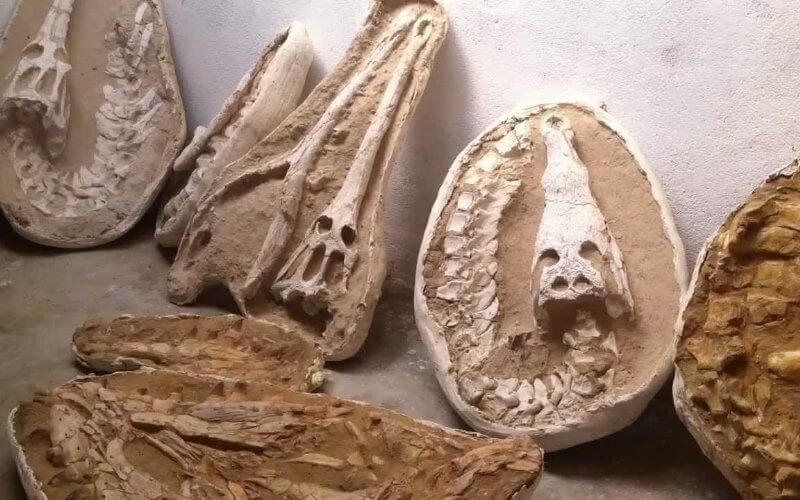
In a previous study specifically devoted to looting in Boulemane, several members of the same team explained that the region’s paleontological reputation had attracted scientists, but had also encouraged the clandestine trade and illegal export of fossils.
Morocco strengthened its system through Laws 33-13, adopted in 2016, and 33-22 in 2025. According to the researchers, their implementation nevertheless remains limited. The historical absence of a sufficiently robust framework allowed a black market to develop around pieces that may have considerable scientific value.
On Bladi.net : In Morocco, the Fossil Trade Hides a Much Darker Reality
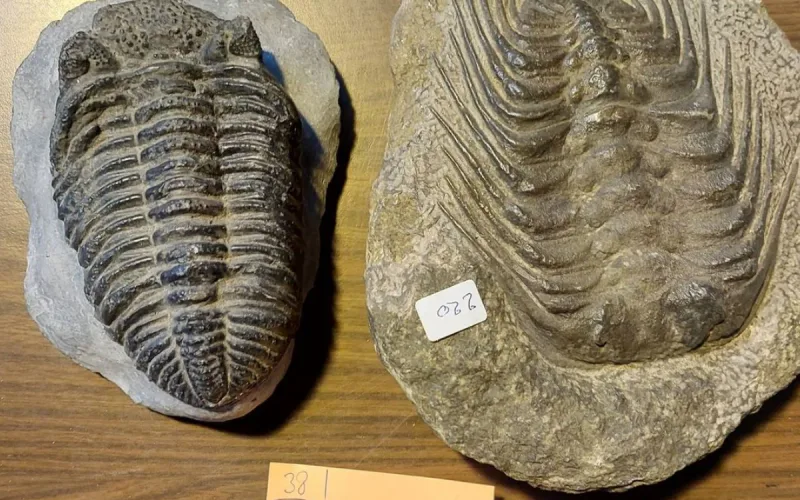
The phenomenon extends far beyond Boulemane. The trade in Moroccan fossils feeds an international market, particularly in Europe, China and the United States. Dinosaur bones, teeth, ammonites and trilobites still leave the country, sometimes hidden in luggage.
For the researchers, protection should not, however, be limited to banning removals. The most important sites could be used to create educational and geotourism routes, with visitor numbers adapted to their fragility.
The study thus assesses the tourist carrying capacity of the 21 places considered the most valuable. The objective is to allow them to be discovered without causing erosion, the destruction of formations or the disappearance of the fossils that give them their value.
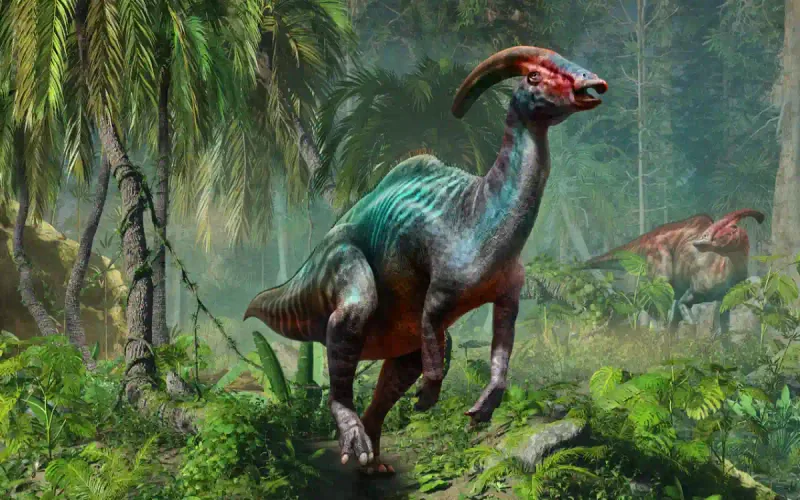
The region already has enough discoveries to attract an international audience. Remains of a new species of herbivorous dinosaur have notably been unearthed in the Middle Atlas, while other fossils continue to shed light on the history of Morocco several million years before the appearance of human beings.
With its 42 sites now listed, Boulemane-Missour has an initial map of its geological riches. The challenge now is to protect them before looting and degradation turn this inventory into a catalogue of vanished treasures.