In Morocco, the Fossil Trade Hides a Much Darker Reality
In Erfoud, in southeastern Morocco, the fossil trade attracts tourists but also fuels a vast international trafficking network. Despite tougher legislation, this rich geological heritage is being massively exported and raising concerns among scientists.
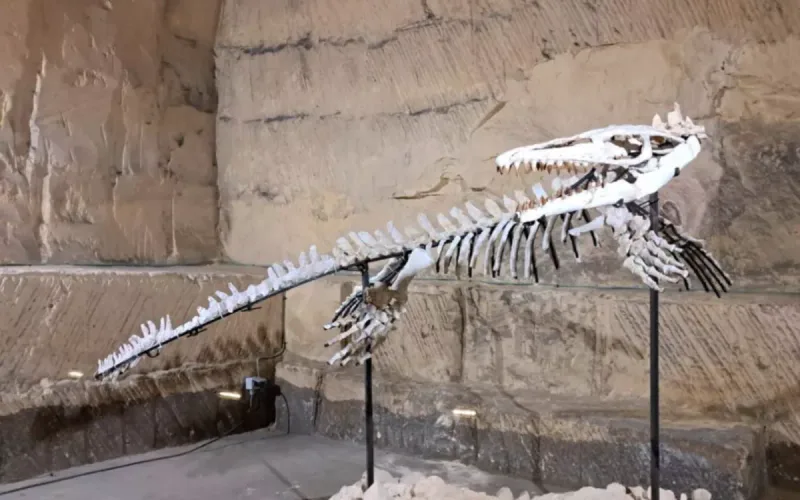
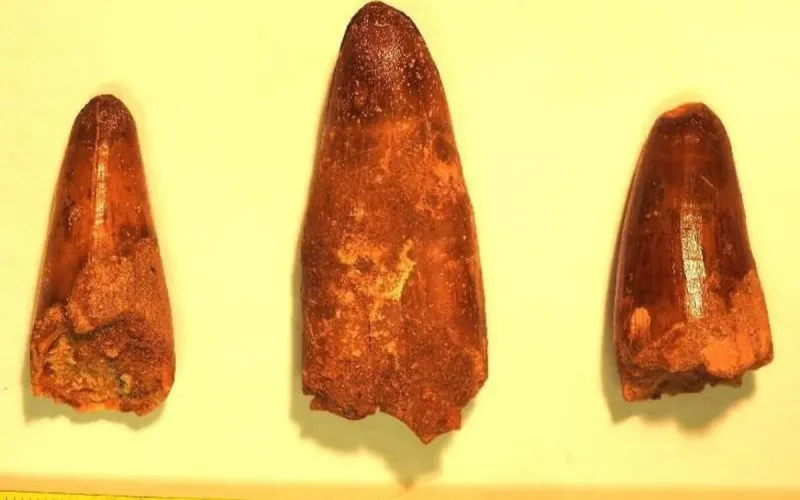
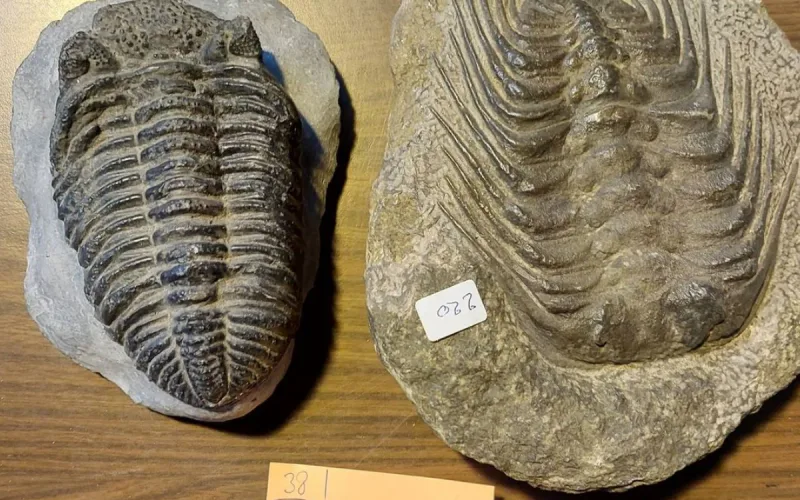
At the gates of the Sahara, the small oasis of Erfoud, home to 30,000 inhabitants, lives to the rhythm of the Paleozoic era. Each year, 110,000 tourists discover a dozen private museums selling ammonites, trilobites, or spinosaur teeth. These remains, extracted from local quarries, are traded between 23 and 3,690 euros, with the promise of "guaranteed authenticity!" for buyers.
On Bladi.net : An Extraordinary Dinosaur Discovered in Morocco
This abundance is explained by the kingdom’s past, once covered by the sea and located at the junction of the African and American continents. According to an investigation published by Le Monde, Nour Eddine Jalil, researcher at the National Museum of Natural History, recalls that "Moroccan soil offers part of its history to those who know how to read it."
However, the enthusiasm for these relics fuels a vast informal market. Masterpieces leave the territory illegally, like a plesiosaur skeleton auctioned in Paris in 2017, or about sixty specimens intercepted in Sète in January. For Patrick Auguste, paleontologist at the University of Lille, the finding is clear: "More than half of the fossils seized in France each year come from Morocco."
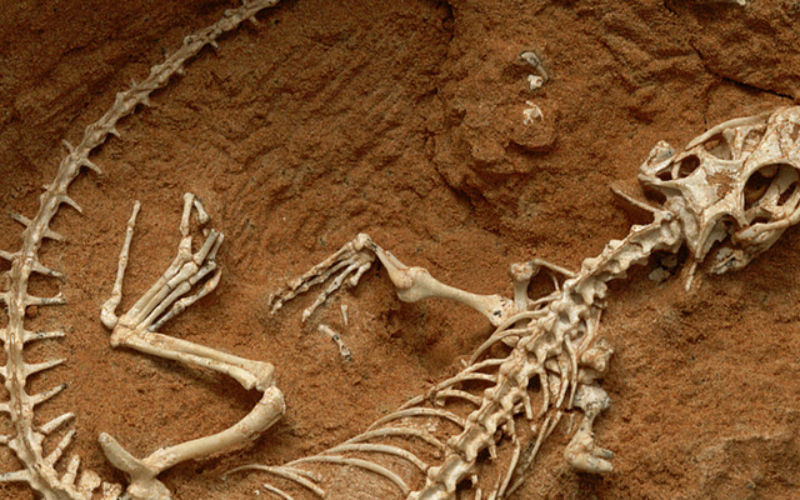
Far from tourist shop windows, an underground economy is organized in the city’s industrial zone. Artisans meticulously prepare dinosaur bones or vertebrate jaws for a black market. Aziz, a local preparator, admits to selling these rare pieces online, mainly to China or the United States. "These are pieces that can be worth up to 1,500 euros," he says, noting that they often travel hidden at the bottom of suitcases.
On Bladi.net : France returns prehistoric treasure to Morocco
Facing this organized looting, authorities toughened legislation in 2015 and 2025, formally banning the export of bones and teeth. Nour Eddine Jalil warns that "Morocco’s fossils are finite." To better regulate and capitalize on this lucrative sector, about fifty companies now benefit from official export authorizations, while the state recently launched a call for proposals to create an educational park in Azilal province.