Moroccan Researchers Develop Drones with Shape-Shifting Wings and AI Navigation
Mohammed VI Polytechnic University (UM6P), in Benguerir, is working on two drone technologies: wings that can change shape in flight and autonomous navigation systems using artificial intelligence. Two research programs outline the prototypes and tests planned in Morocco.
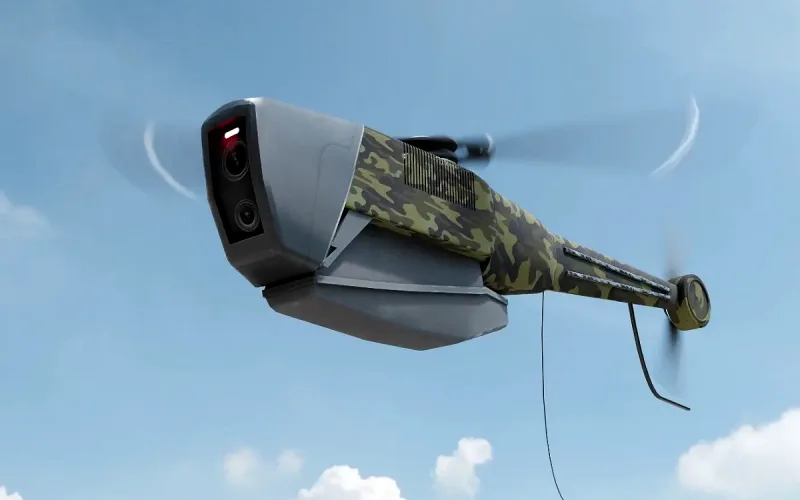
Taking inspiration from birds and bats to design more capable drones is one of UM6P’s goals. In a research position posted on November 6 on EURAXESS, the university details a program focused on morphing wings. Their shape could be adapted to different phases of flight to improve the aircraft’s aerodynamic performance and energy efficiency.
On Bladi.net : Morocco drone technology saves dam water from toxic algae
Researchers plan to use lightweight composite materials, computer-optimized structures and 3D-printed parts. The prototypes will then undergo wind tunnel trials, vibration and fatigue tests, followed by flight campaigns to assess their durability and aerodynamic behavior.
The program aims to produce a TRL 5 prototype, corresponding to a technology validated in a representative environment. The university also plans three scientific publications, a contribution to a patent and the development of a design method for drones with morphing wings.
Drones able to navigate using artificial intelligence
UM6P’s second program focuses on aircraft autonomy. An another research position posted the same day calls for the development of algorithms combining machine learning, computer vision and data from multiple sensors. These technologies are intended to enable drones to analyze their surroundings and adapt their movements to the conditions they encounter.
Researchers will also work on digital twins, virtual models capable of replicating how the aircraft operate. Fed with data collected in flight, these models will be used to monitor equipment condition, analyze performance and anticipate certain failures. Some of the processing will be carried out directly on board to speed up the handling of information.
On Bladi.net : Moroccan Firm Unveils Autonomous Drone With a Claimed 2,000-Kilometer Range and No Need for GPS
Tests are planned at UM6P and OCP Group sites. The program aims to deliver a TRL 6 demonstrator, tested in an environment representative of industrial conditions, as well as a digital platform to organize missions and centralize data transmitted by the drones.