Morocco drone technology saves dam water from toxic algae
Morocco is developing a system combining artificial intelligence, aquatic drone, sensors and satellite imagery to detect toxic algae in its dams before they become visible and threaten the quality of water reserves.
Faced with the risk of harmful algae proliferation in dams, researchers are working on a device capable of monitoring water quality and triggering rapid alerts. The objective is to intervene before contamination reaches a critical stage.
On Bladi.net : Akinci: Spotlight on the drone Morocco wants to acquire
These microalgae can produce toxins, reduce the amount of oxygen available in water and disrupt aquatic ecosystems. In a country facing water stress, their appearance in reservoirs used to store fresh water represents an additional risk to water supply.
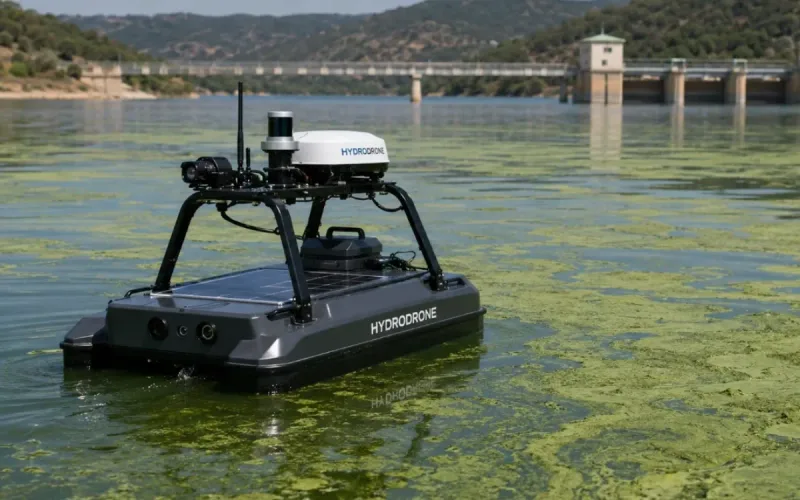
The project is based notably on an aquatic drone designed to move across dam surfaces, where proliferations generally form. Equipped with environmental sensors, it must collect information about water and transmit it to an analysis system using artificial intelligence.
One of the techniques selected is spectrometry. It involves analyzing how light interacts with water in order to detect signals related to the presence and development of microalgae, explains a study published in African Scientific Journal.
Detecting the threat before it becomes visible
The prototype must be tested using samples collected during all four seasons. This step should account for temperature variations, environmental conditions and different growth phases of algae.
Researchers also plan to integrate satellite imagery into forecasting models. By cross-referencing this data with measurements taken directly in the water, artificial intelligence could identify areas where proliferation is likely to occur.
The device therefore aims not only to confirm the presence of already visible algae. It must detect earlier signs and transmit remote alerts to officials responsible for monitoring water quality.
On Bladi.net : Morocco US Military Center 2030 Drones Innovation Tan-Tan
This combination of sensors, optical analyses, laboratory data and satellite imagery should provide more comprehensive monitoring than conventional visual inspections. Early enough detection would allow authorities to react before algae heavily contaminate a reservoir or disrupt its operation.