
Moroccan Customs: What You Need to Know About Importing Currency
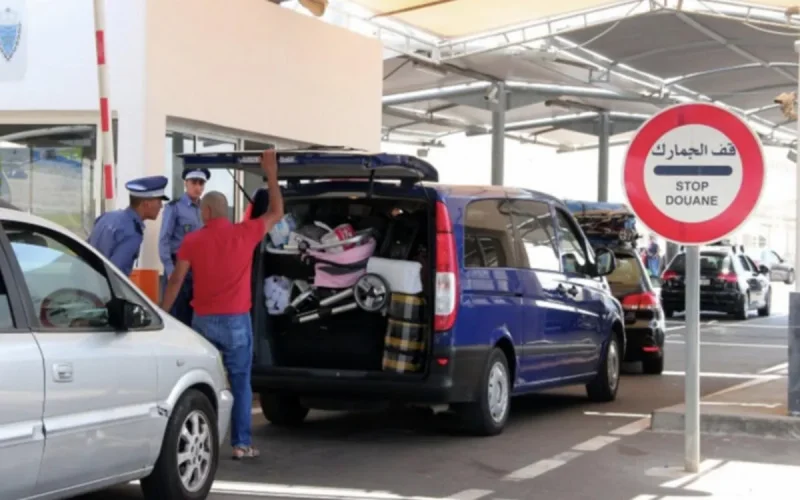
Customs administration allows great freedom in the introduction of foreign means of payment for travelers settling in the Kingdom. However, this flexibility is framed by mandatory declaration thresholds and a strict limitation on the import of the national currency.
The introduction of foreign currencies in Morocco, whether in the form of banknotes, checks or credit cards, is carried out without any limitation on the amount. This freedom of import, however, does not apply to the Dirham, the transport of which is capped at 2,000 dirhams per person. Exceeding this threshold constitutes a foreign exchange offense punishable by sanctions. For large sums in foreign currency, the law requires a written declaration to the border customs office as soon as the countervalue reaches or exceeds 100,000 dirhams. This formality is essential for anyone who intends to re-export all or part of these funds at a later date.
The declaration of currency subscribed to upon entry remains valid for a single stay, within a maximum limit of six months. It is imperative to keep this document, as it serves as proof when leaving the territory to prove the origin of the funds. Regarding exchange operations, they can be carried out with banking institutions or approved offices, such as hotels and certain specialized businesses. It is then essential to keep each exchange slip, as this document is required by banks to convert the remaining dirhams into foreign currency at the time of departure.
Finally, residents have the possibility of facilitating their financial transactions by opening foreign currency or convertible dirham accounts within Moroccan banks. These accounts, in particular, allow the obtaining of an international credit card, usable in Morocco as well as abroad according to the available funds. For any additional information or specific case, users are invited to consult the official portal of the Office des Changes.
Related Articles
-

The dirham falls for the third consecutive week: 1,000 euros now bring in 131 more dirhams
19 September 2026
-

After Nadorcott, a new Moroccan mandarin is protected in Europe until 2056
19 September 2026
-

Hormuz Threatens Global Fertilizer Supplies: Morocco Holds an Asset That Has Become Strategic
19 September 2026
-

After investing €1 billion, French companies want their share of Morocco’s next boom
19 September 2026
-

French companies seek to turn Morocco’s mountains into year-round tourist destinations
19 September 2026