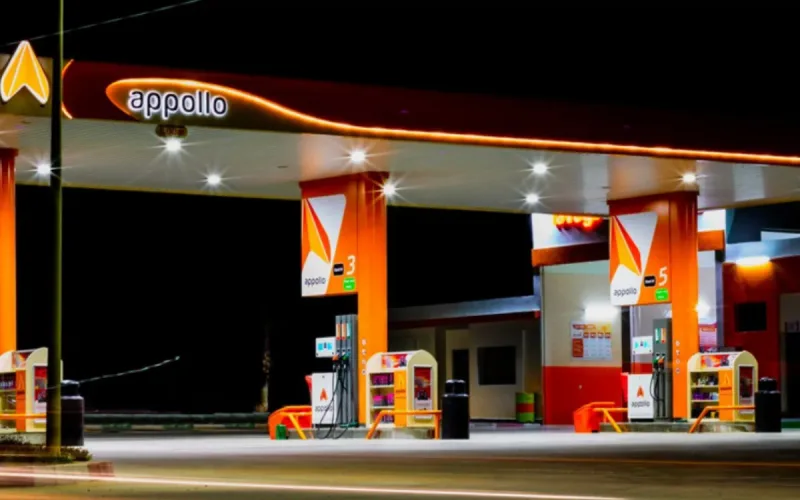
Fuels in Morocco: diesel could rise to 13 dirhams from March 15
Oil distributors are preparing to raise pump prices on March 15, potentially bringing diesel to 13 dirhams. This price shock revives tensions over direct aid to transporters, while the reform of indexation remains pending.
The surge in international prices now makes a tariff revision at the national level almost inevitable. According to simulations by operators, the liter of diesel could increase by two dirhams, directly threatening purchasing power and distribution chains. Faced with this urgency, the government is considering reactivating the system of direct aid to transporters, a mechanism that has already cost nearly 7 billion dirhams between 2022 and 2024.
However, this solution is far from unanimous within the profession. The Federation of Transport and Logistics (FTL) denounces a system generating a form of rent. "Some transporters have preferred to stop their trucks and be content with receiving the aid," explains an internal source quoted by Le360. The criticisms also point to an inadequate targeting, as the aid is calculated on the tonnage of the vehicle rather than on the mileage actually traveled.
The executive has a bill aimed at indexing transport rates to crude oil prices, but the text remains blocked at the General Secretariat of the Government (SGG). Initially carried by the former minister Mohamed Abdeljalil, this text would offer a structural response by allowing an automatic revision of transport contracts. However, the Ministry of Finance would oppose it for fear of fueling an "inflationary spiral".
In the absence of this regulatory framework, the country remains dependent on direct state support to avoid a logistical paralysis. A professional in the sector recalls the crucial issue: "Transport is a black line that feeds the entire economy. As soon as its costs increase, it is automatically reflected in all production chains." To date, the solution of direct aid, although contested, seems to be the only option retained by the public authorities to cushion the oil shock.