France delays stricter fertilizer cadmium limits to 2034 amid concerns over reliance on Morocco
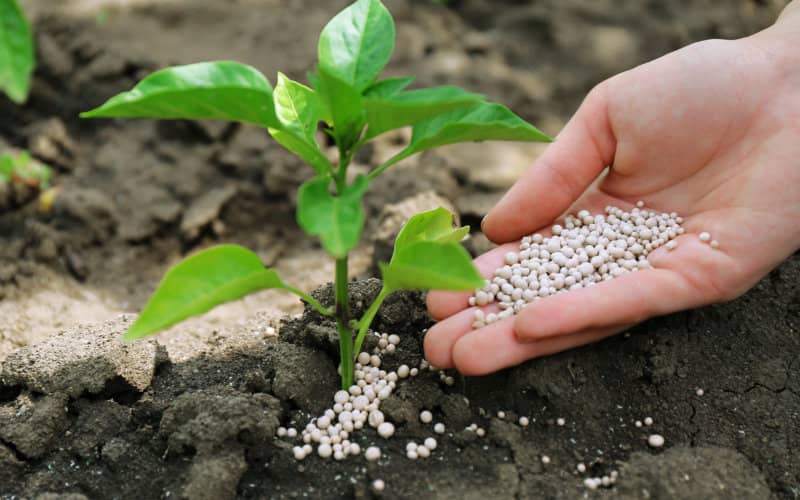
The French Senate’s Economic Affairs Committee wants to delay until 2034 a strict limit on cadmium in fertilizers, initially scheduled for 2030. It fears excessive dependence on Moroccan group OCP and another price increase for farmers.
Four more years to avoid becoming too dependent on Morocco. On October 14, the Senate’s Economic Affairs Committee changed the timetable for a bill on cadmium, a toxic metal found in some phosphate fertilizers. It now proposes waiting until 2034, rather than 2030, to impose the strictest limit, according to its report no. 53.
On Bladi.net : France targets cadmium in fertilisers but still depends on Morocco
The first step has also been pushed back: the limit of 40 milligrams of cadmium per kilogram of P₂O₅ would move from 2027 to 2029. The next threshold, set at 20 milligrams, would be postponed from 2030 to 2034. These amendments were adopted by the committee, but have not received a final vote in Parliament.
Why the caution? France imports all of its phosphate fertilizers, the report notes. With a limit of 20 milligrams, the number of suppliers able to meet the standard could fall sharply. Senators fear higher costs and a market dominated by a handful of producers.
OCP could become indispensable to French farmers
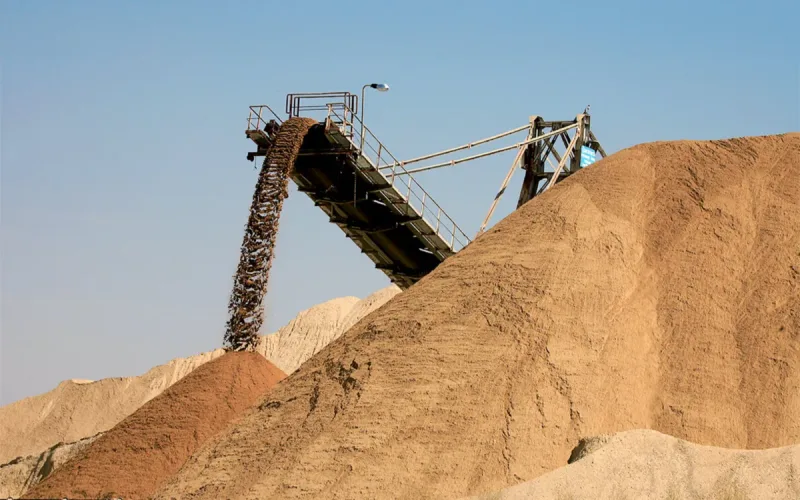
The Moroccan group holds a unique position. OCP says it has mastered a decadmation process that allows it to produce fertilizers with low cadmium content. According to the senators, other suppliers to France have not yet developed this technology. But one question remains: the volumes OCP would actually be able to deliver have not been established.
On Bladi.net : Morocco says it has reduced cadmium in its fertilizers, while Brussels acknowledges it cannot verify this
The delay has divided senators. Jean-Claude Tissot, of the Socialist group, backs the 2030 deadline. “We’ll source our supplies from somewhere other than Morocco,” he says, arguing that public health must take precedence over economic considerations. Rapporteur Christian Klinger, for his part, stresses the industrial challenges and the risks for farmers.
The committee also proposes that the government submit a report by January 1, 2031, to reassess the timetable. The goal of reducing cadmium—which accumulates in soil and can contaminate food—remains. But the bill must continue through the parliamentary process: the 2034 deadline has not yet been definitively written into law.