France targets cadmium in fertilisers but still depends on Morocco
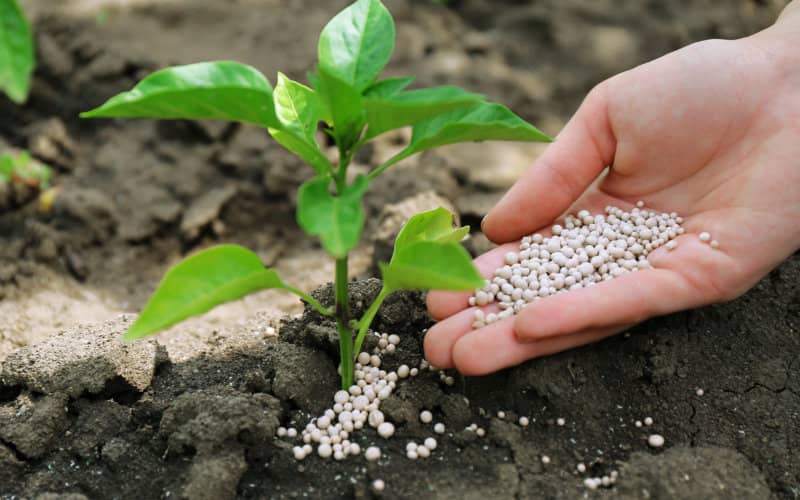
France is stepping up efforts to reduce cadmium in phosphate fertilisers, much of which it sources from Morocco. The limit is set to fall to 20 milligrams by 2030. But Paris has left itself the option of revising the timeline, particularly to avoid supply difficulties.

The French government has announced a three-stage reduction: 60 milligrams of cadmium per kilogram of phosphoric anhydride, or P₂O₅, from January 2027, then 40 in 2028 and 20 in 2030. The timeline, presented by the Ministry for Ecological Transition, significantly accelerates the original plan, which postponed the final threshold until 2038.
On Bladi.net : France: a toxic metal in food, fertilizers from Morocco pointed out
For French agriculture, adapting will depend in particular on Moroccan suppliers. According to Le Monde, Morocco supplies a very large share of the phosphate fertilisers imported by France. Tightening the standards therefore raises an industrial as well as a health question: ensuring enough products with lower cadmium levels are available at affordable prices.
An interministerial report published in May had already warned that reducing cadmium levels would have a significant impact on national supplies and probably on prices. France imports all its mineral phosphorus, the Ministry of Agriculture notes. Low-cadmium resources remain limited in a market subject to major geopolitical constraints.
OCP says it already supplies low-cadmium fertilisers
The Moroccan group says it has developed processes to remove some of the cadmium before fertilisers are made. It says it offers its European customers fertilisers below the 20-milligram threshold France aims to meet by 2030. This adaptation announced by OCP puts its processing capacity at the heart of the issue.
French farmers are also keeping an eye on costs. The FNSEA supports lowering the thresholds but is calling for affordable fertilisers. The government has retained some room for manoeuvre: based on reports from the general inspectorates, it can adjust the deadlines in light of available technologies, economic factors and security of supply.
This clause has drawn the suspicion of Green MP Benoît Biteau. He wants to continue examining his bill, which was adopted at first reading in June, to put the reduction on a footing he considers more robust than a decree the government can amend.
On Bladi.net : Morocco says it has reduced cadmium in its fertilizers, while Brussels acknowledges it cannot verify this
The health emergency explains France’s accelerated timetable. Naturally present in some phosphate rocks, cadmium can accumulate in soil, enter crops and then the human body. Anses is calling for cadmium inputs to be reduced at source, particularly through fertilisers.
The effects on farmland will nevertheless take time: the agency says it could be several decades before contamination begins to decline. The first industrial deadline is much sooner, with the limit dropping to 60 milligrams on 1 January 2027.